Meaning
The process of retrieving specific information or a value by referencing a known identifier within a dataset or record system. A lookup verifies or provides details associated with a particular record, such as finding a client’s address using their account number. This operation is fundamental to maintaining data consistency and supporting decision-making by confirming existing facts.
Data Validation
A primary function of a lookup is to validate incoming data against existing, authoritative records. When a new entry is created, a lookup confirms that related information, such as a vendor ID or a currency code, already exists and is correctly formatted. This mechanism guards against data entry errors and ensures consistency across the arrangement’s information systems.
The cost here is the investment in building and maintaining the reference datasets against which lookups are performed, requiring diligent data curation and updates to retain accuracy.
Efficiency Demand
Frequent lookups demand highly efficient data structures and retrieval mechanisms to avoid operational bottlenecks, imposing a significant cost on system design and ongoing infrastructure. As the volume of data or the frequency of queries increases, the speed of each lookup becomes critical for the overall responsiveness of a system. Slow lookups can severely impede daily operations, costing operator time, delaying processes such as order fulfillment or client support, and ultimately frustrating the client experience.
Founders bear the cost of designing, implementing, and continually optimizing systems that deliver rapid lookups, a trade-off between query speed, data storage complexity, and computational resources.
Record Reliance
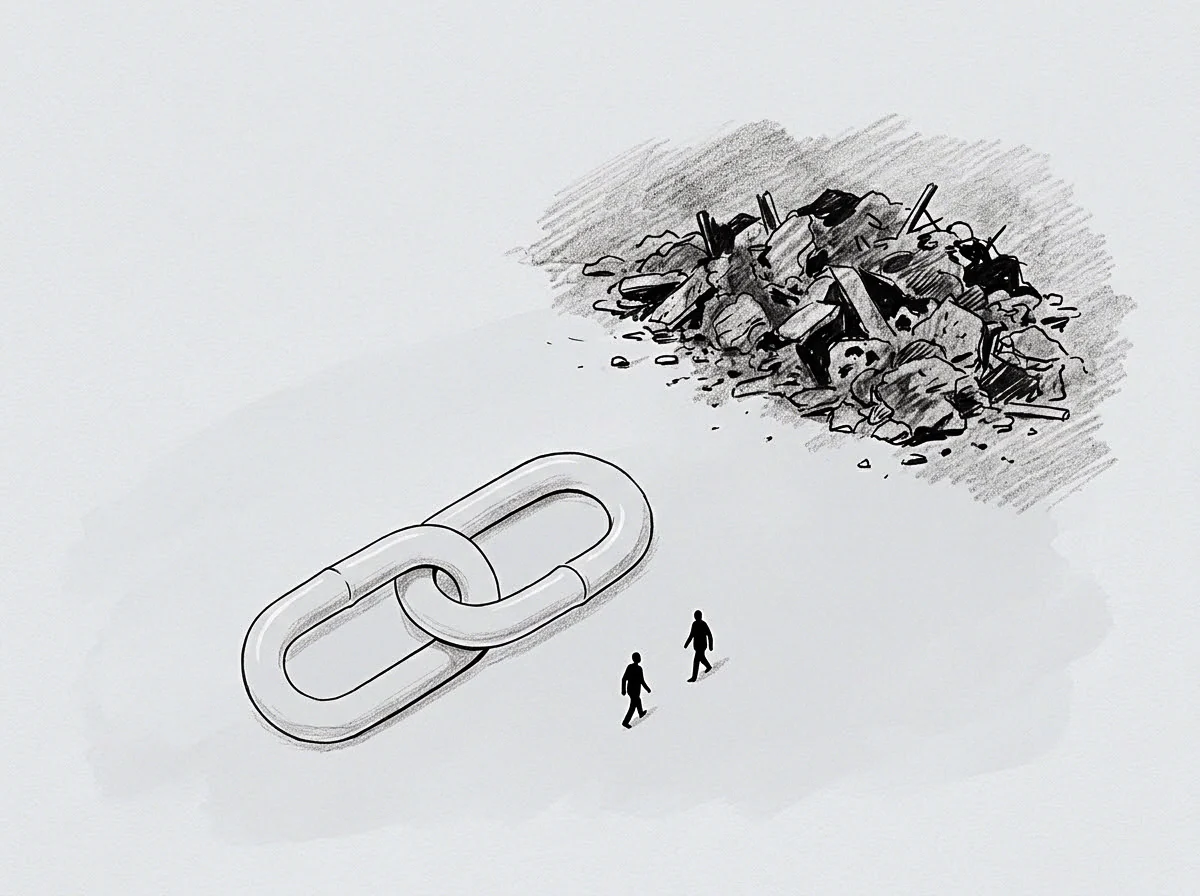
The integrity of any lookup depends entirely on the accuracy and currency of the underlying record system, creating a substantial reliance cost for the arrangement. If the reference data for a lookup contains errors or is outdated, any information retrieved through that process will be inherently flawed. This can lead to incorrect business decisions, financial discrepancies, operational failures, or even regulatory non-compliance, with tangible financial repercussions.
The founder holds the seat of ensuring the foundational data remains accurate, bearing the ongoing cost of data maintenance and rigorous verification to prevent system failures and preserve the reliability of all subsequent operations that depend on this mechanism.