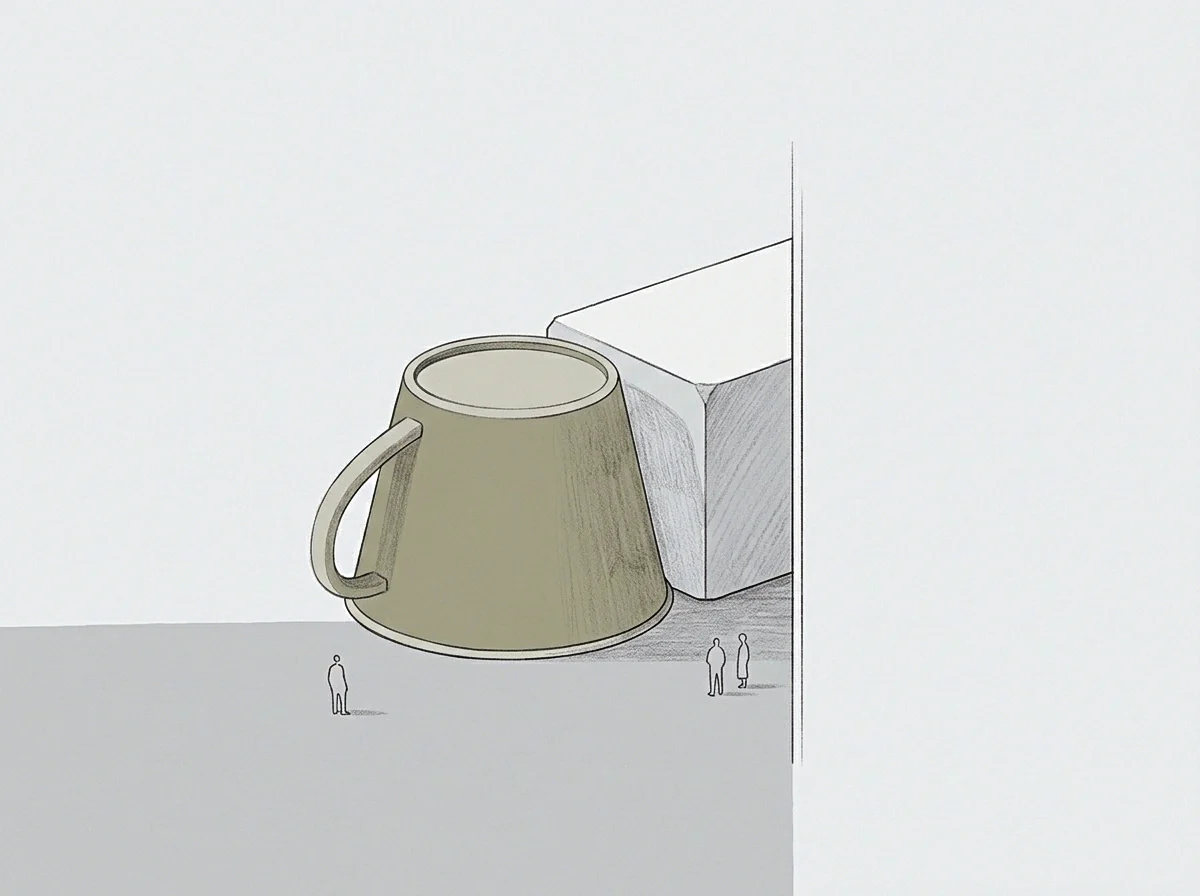
Meaning
Suppressing highly visible emotional responses to operational setbacks preserves the analytical clarity required to run a complex venture. This deliberate flattening of one’s external presentation is often described as low affect by those who work closely with the founder. While some observers might mistake this state for a lack of caring, it is actually a protective mechanism designed to prevent small problems from causing panic in the room.
The operator who maintains this stance can evaluate data without the distorting influence of fear or anger.
Emotional Stance
Adopting a calm exterior during a crisis helps to stabilize the entire team. When the founder reacts with visible alarm, that anxiety spreads quickly through the room, impairing the performance of others. Maintaining low affect acts as an emotional anchor, signaling that the situation is manageable and that a plan is being executed.
This restraint is not about denying feelings but about choosing when and where to process them.
Decision Buffer
Creating a gap between receiving bad news and taking action prevents rash decisions that worsen the problem. The practice of low affect provides the time needed to analyze the situation objectively before committing resources to a solution. Without this buffer, the builder is likely to react to the symptom rather than the cause, wasting valuable energy on temporary fixes.
This deliberate delay ensures that the response is measured and proportional to the actual threat.
Professional Distance
The ability to separate personal identity from the daily performance of the venture is a prerequisite for long-term survival. When the operator views every setback as a personal failure, the emotional toll becomes too heavy to bear. This detachment is the foundation of a sustainable operational style.