Meaning
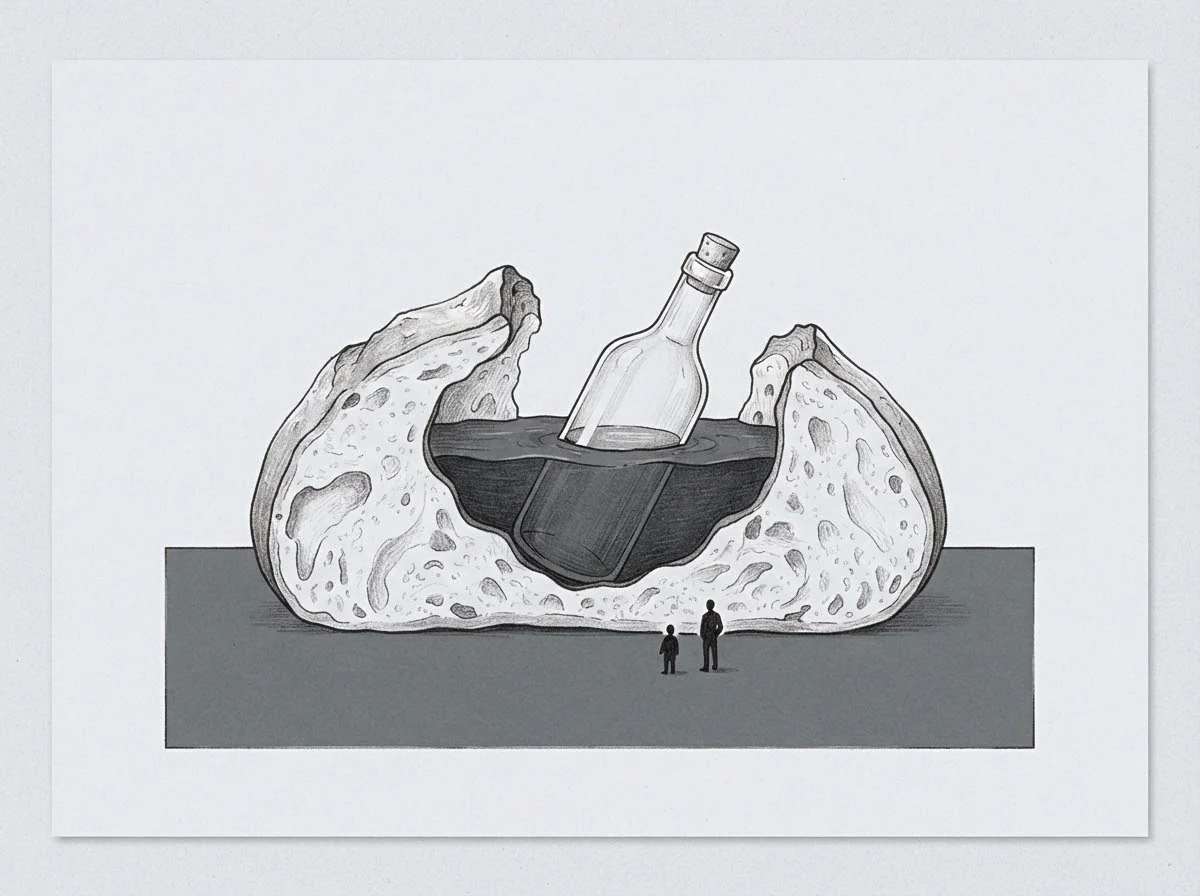
A unilateral record of partner omissions establishes a chronological baseline of partnership compliance without provoking immediate verbal conflict. Inside this structure, a container secures a chronological sequence of minor breaches and missed deadlines that might otherwise fade from memory. By preserving objective data such as unscheduled absences, unfulfilled duties, late financial filings, and skipped meetings, the holder maintains a precise history of the relationship without resorting to daily confrontations that exhaust emotional capacity.
This documentation functions as a silent archive, capturing events in real time so that facts do not depend on the shifting recollections of either party. The boundary of this tracking process stops at the collection of verifiable facts, excluding subjective impressions or personal grievances.
Evidentiary Value
Written proof of unfulfilled obligations carries weight in formal discussions because it removes the reliance on memory or personal credibility. This systematic documentation within a container transforms vague dissatisfaction into a series of indisputable events. When a dispute reaches formal mediation, the presence of specific dates and times shifts control away from the defaulting party.
Vague denials fail when confronted with a detailed record of historical actions.
Relationship Friction
Maintaining a private log of joint failures requires disciplined observation and introduces a silent strain on the person holding the pen. An operator using a container must record everyday lapses without reacting to them in the room, creating a psychological division between documented reality and daily cooperation. This division prevents premature escalation but demands a high cost in personal attention and emotional patience.
The operator carries this burden of silent observation alone.
Separation Advantage
Formal separation of partners relies on documented history to establish the terms of exit. When the partnership dissolves, the container provides the objective basis for dividing joint assets, adjusting equity splits, determining final distributions, and allocating remaining liabilities. Without this record, negotiation devolves into a test of endurance and verbal dominance.
The container dictates the final arrangement by establishing the historical reality of the partnership.