Meaning
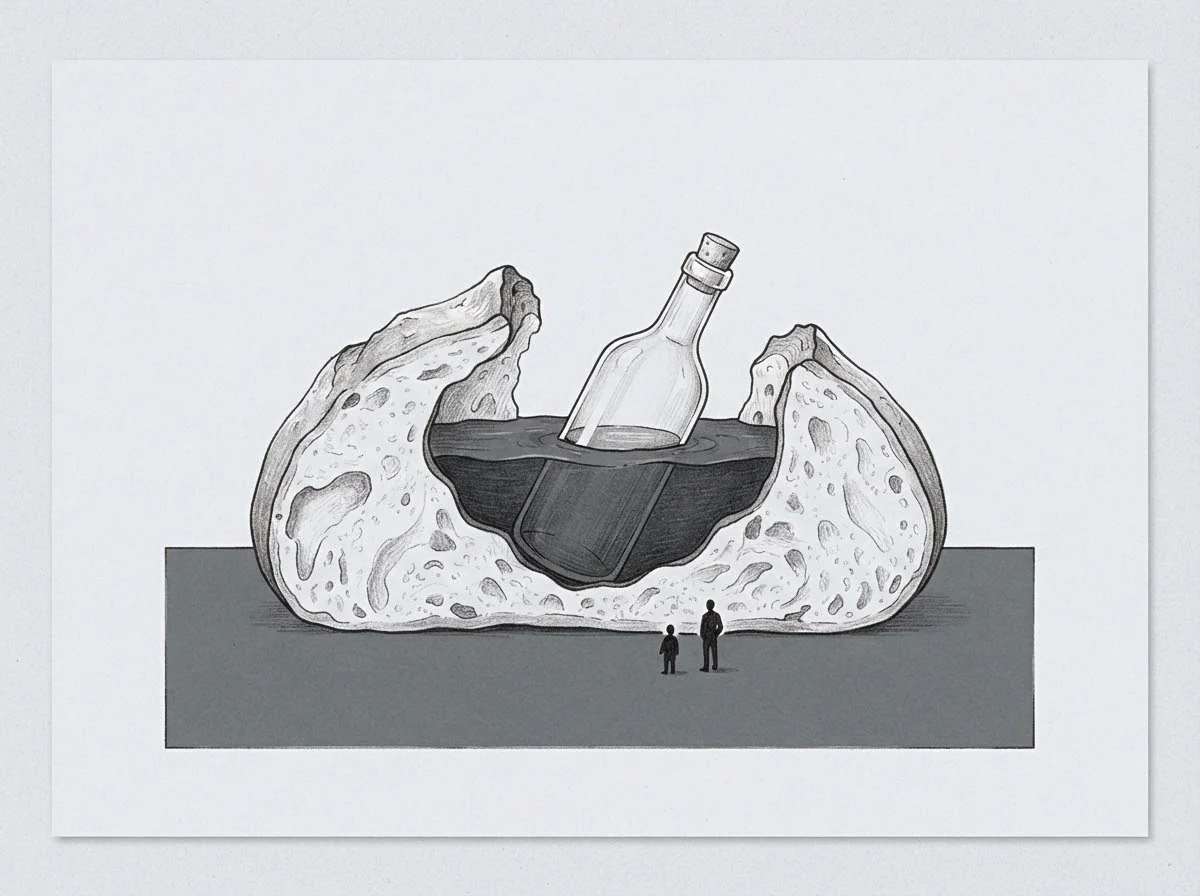
An assertion or statement whose validity can be contested by another party, requiring substantiation with evidence or a factual account. A disputable claim lacks inherent proof when presented verbally in an interactional setting; its truth must be established through supporting documentation or an agreed-upon record. It represents a potential point of contention where one party states an action or event, and another party reserves the right to deny or modify that statement.
This claim transforms into a matter for discussion and potential resolution rather than an accepted fact.
Verbal Presentation Cost
Presenting a claim verbally, without immediate supporting evidence, carries a cost in the context of founder relationships. When a founder voices a disputable claim, it immediately requires a response from the other party, shifting the interaction from factual review to adversarial exchange. The energy spent on defending or refuting such a claim diverts capacity from productive work, impacting the overall efficiency of an exchange.
This cost is higher than when a claim is presented as part of a verified record.
Proof Requirement
The nature of a disputable claim necessitates that it be backed by concrete proof for it to move from assertion to accepted fact. For a founder seeking to hold another party accountable, the cost of not having a clear record means that any verbal claim can be easily dismissed or reinterpreted. The absence of a dated entry or a documented agreement weakens the position of the claimant, demanding more effort to establish the truth of the assertion.
Interactional Dynamic
A disputable claim fundamentally alters the interactional dynamic between parties. It moves the discussion from a shared understanding of reality to a negotiation of facts, where each party defends their version of events. This dynamic imposes a cost in terms of relational strain and increased tension, as the interaction becomes less about collaboration and more about establishing who is right.
The claim always invites a counter-statement, creating a back-and-forth that consumes time and attention.