Meaning
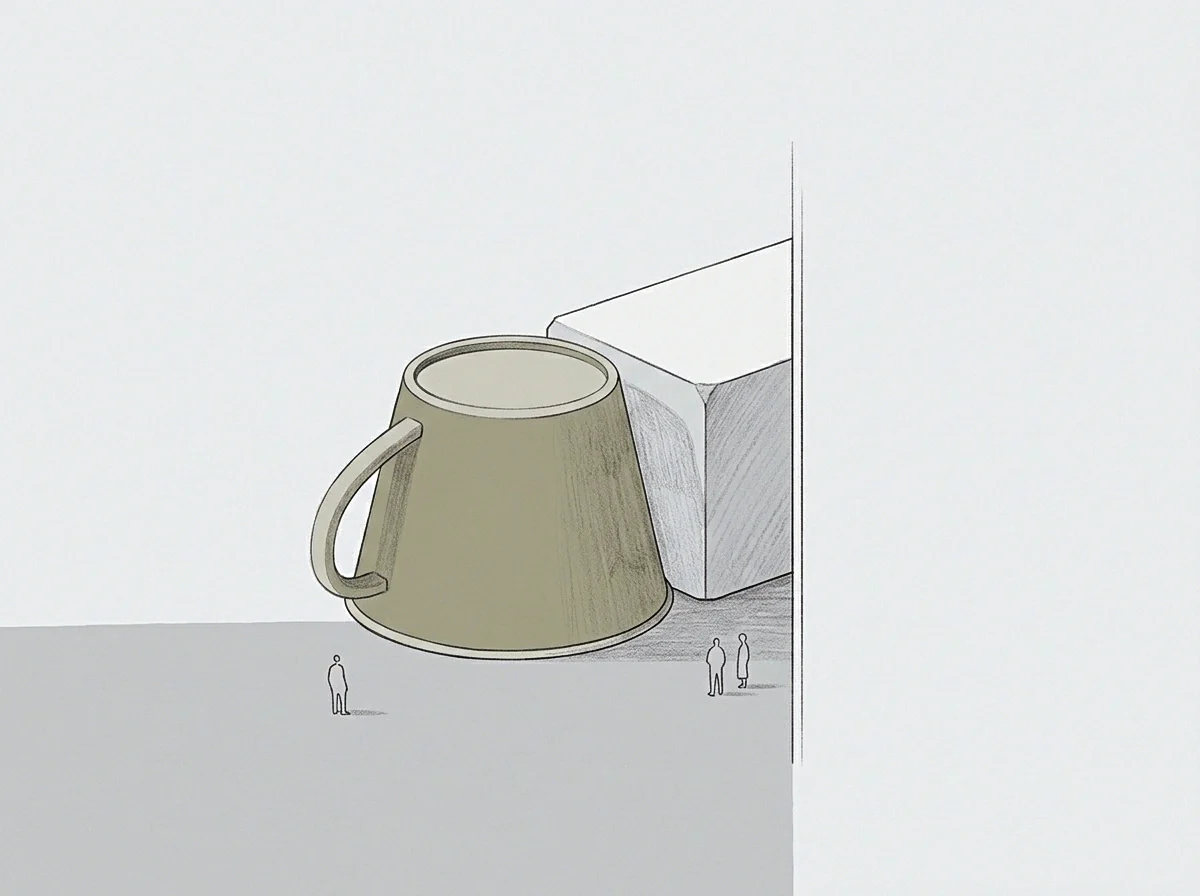
An uncommitted reserve of personal attention and physical energy constitutes the buffer that protects an operator from systemic overload. This unallocated resource is what builders refer to as free capacity within a working week. Unlike scheduled hours, this reserve is kept deliberately empty to handle unexpected friction or sudden opportunities.
Having this buffer allows the person in the seat to think clearly rather than simply reacting to immediate demands.
Protection Buffer
Operating without any margin for error leaves the venture vulnerable to the slightest disruption. When a client makes an unexpected demand or a partner fails to deliver, the lack of free capacity means the operator must borrow hours from sleep or personal recovery. This borrowing is a short-term patch that carries a high compounding interest rate in the form of exhaustion.
Over time, the constant pressure degrades the quality of the work and increases the rate of critical errors.
Stress Load
The absolute weight of a person’s responsibilities must be regulated to preserve this necessary safety margin. If the founder fills every block of the calendar with active execution, the system has zero tolerance for variance. This state of constant tension is unsustainable for both the individual and the venture.
By treating the buffer as a non-negotiable requirement, the builder protects their own decision-making ability.
Recovery Period
Reclaiming uncommitted hours requires a deliberate decision to say no to marginal opportunities. When the operator protects this empty space, the venture gains the agility to pivot when market conditions change. This quiet time is where systemic improvements are designed and implemented.