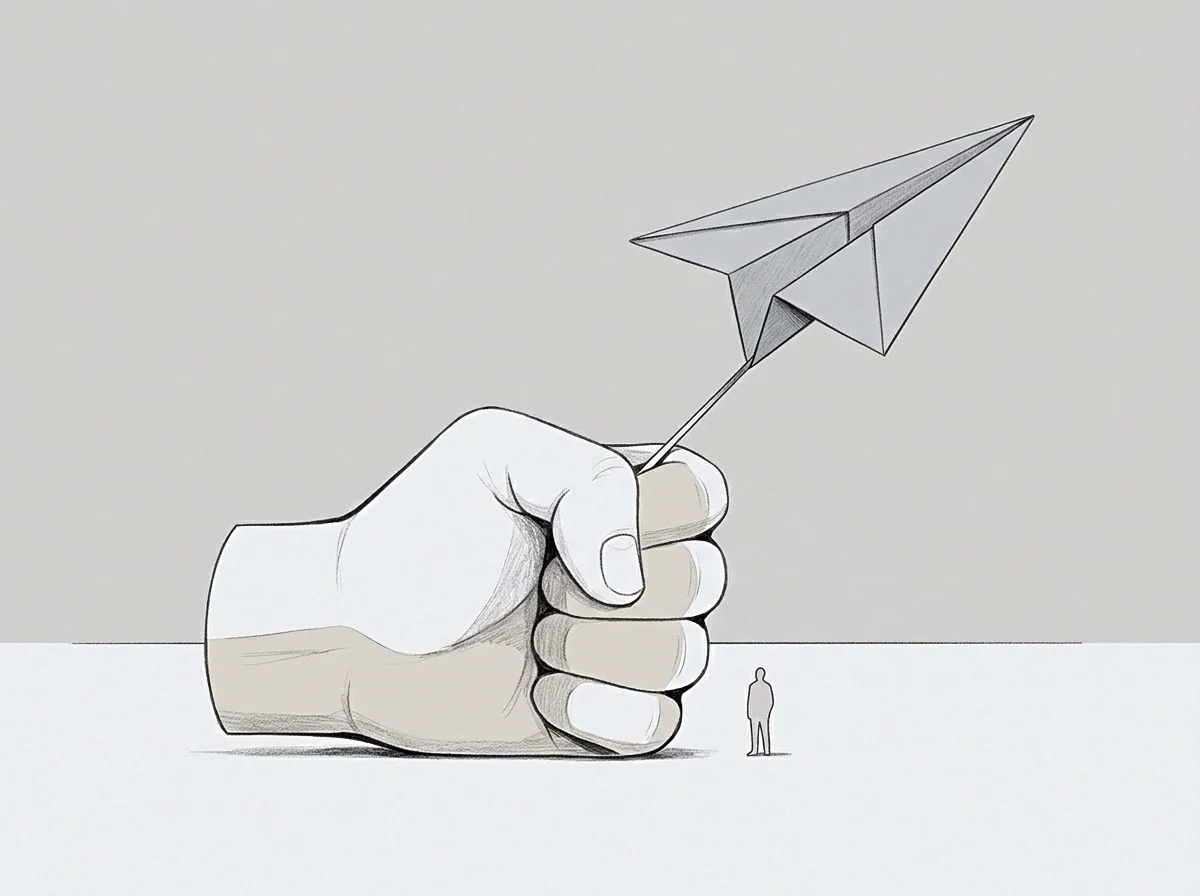
Meaning
Family systems sometimes require a young member to take on the emotional or practical responsibilities of an adult. This reversal of roles creates a parentified child, who learns to manage the anxieties and needs of the household at the expense of their own development. In adulthood, this early training often translates into a compulsion to take on the burdens of others in collaborative projects.
The individual becomes an over-functioning leader who cannot delegate work because they believe that if they do not hold everything together, everything will collapse.
Developmental Origin
Early expectations to care for others before oneself are established during critical years of personality formation. When a young person is placed in the role of a parentified child, they are forced to suppress their own needs to ensure the stability of the family. This adaptation teaches them that their value is tied entirely to their utility and their capacity to handle crises.
It builds a high tolerance for stress but leaves them with little sense of where their own responsibility ends and another person’s begins.
Professional Legacy
The habit of carrying the entire group’s load is brought directly into the professional seat. In a startup environment, a founder who was a parentified child will often absorb the stress of their team, protecting them from reality while working excessive hours to cover any deficits. This behavior prevents the organization from developing mature systems of accountability, as the leader acts as a shock absorber for every failure.
It also leads to severe exhaustion of attention and energy, as the founder cannot separate their own well-being from the health of the project.
Behavioral Trap
Breaking the habit of over-functioning requires the leader to tolerate the discomfort of others taking responsibility for themselves. Until the founder stops rescuing the team, the organization cannot grow past its initial stage.