Meaning
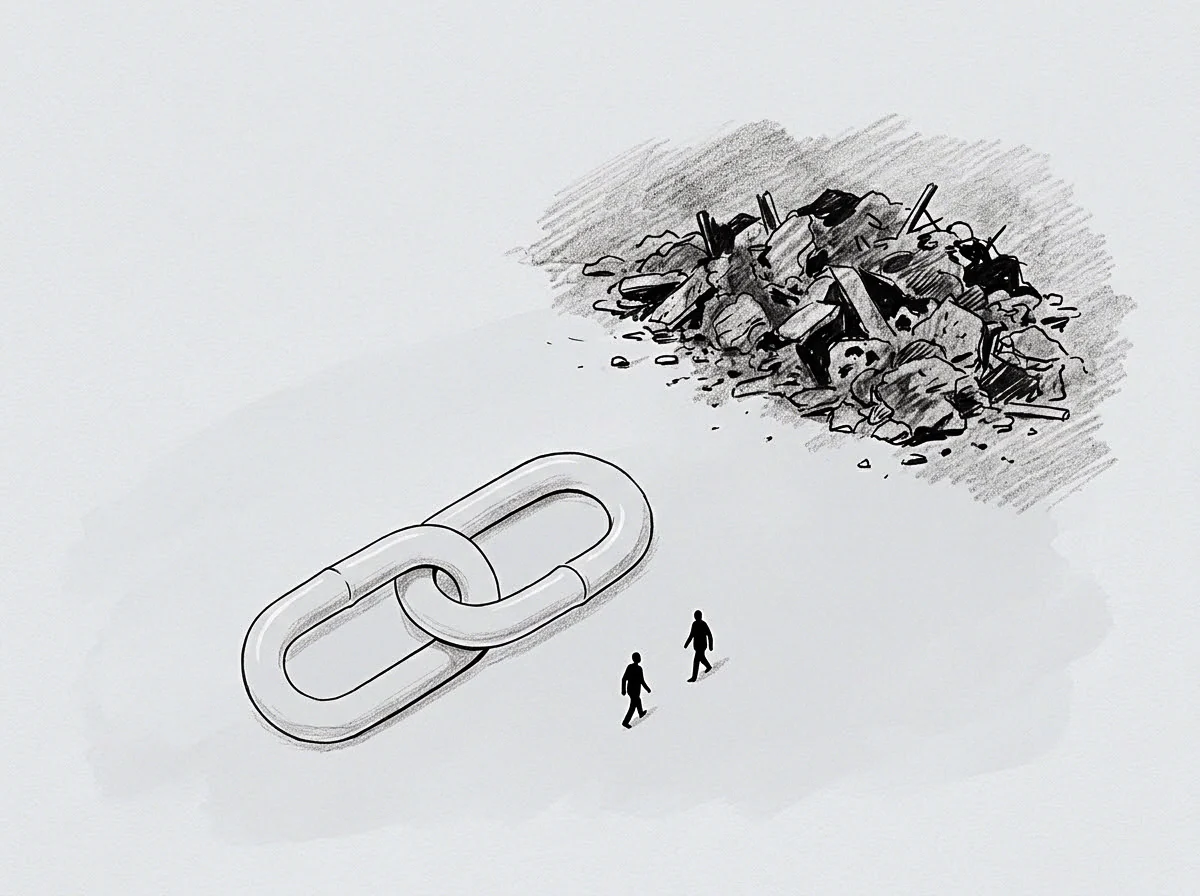
Verifiable evidence or a collection of documented facts that establishes the truth, accuracy, or existence of a particular event, action, or state of affairs. Proof removes a statement from the realm of mere assertion, lending it an objective weight that can withstand challenge. It typically comprises items like dated entries, recorded communications, or signed agreements, which provide an unadjustable record of past occurrences.
This material serves as an unassailable foundation for a claim, rather than the claim itself.
Record Dependency
The capacity to provide proof is directly dependent on the maintenance of an accurate and accessible record. For a founder, the cost of not diligently recording interactions, agreements, and deliverables is the inability to produce proof when needed, transforming what could be an undisputed fact into a disputable claim. A well-kept record reduces the energy expenditure required to defend one’s position by providing objective support.
Interactional Status
When a piece of information functions as proof, its interactional status shifts from a subjective statement to an objective fact. Presenting proof in an exchange prevents an issue from devolving into a prolonged debate over differing recollections. The cost of a lack of proof is that discussions become protracted, requiring additional hours and attention to navigate conflicting narratives, rather than moving directly to resolution based on established facts.
Proof provides a firm ground for discussion.
Claim Substantiation
Proof substantiates a claim by offering independent verification of its truth. Without it, a founder’s assertion about another’s conduct or an unfulfilled obligation remains an unsubstantiated statement open to counter-argument. The value of proof lies in its ability to convert a personal grievance into a factual discrepancy, streamlining the process of accountability and reducing the energy a founder must expend in trying to persuade.
It enables a claim to stand on its own.