Meaning
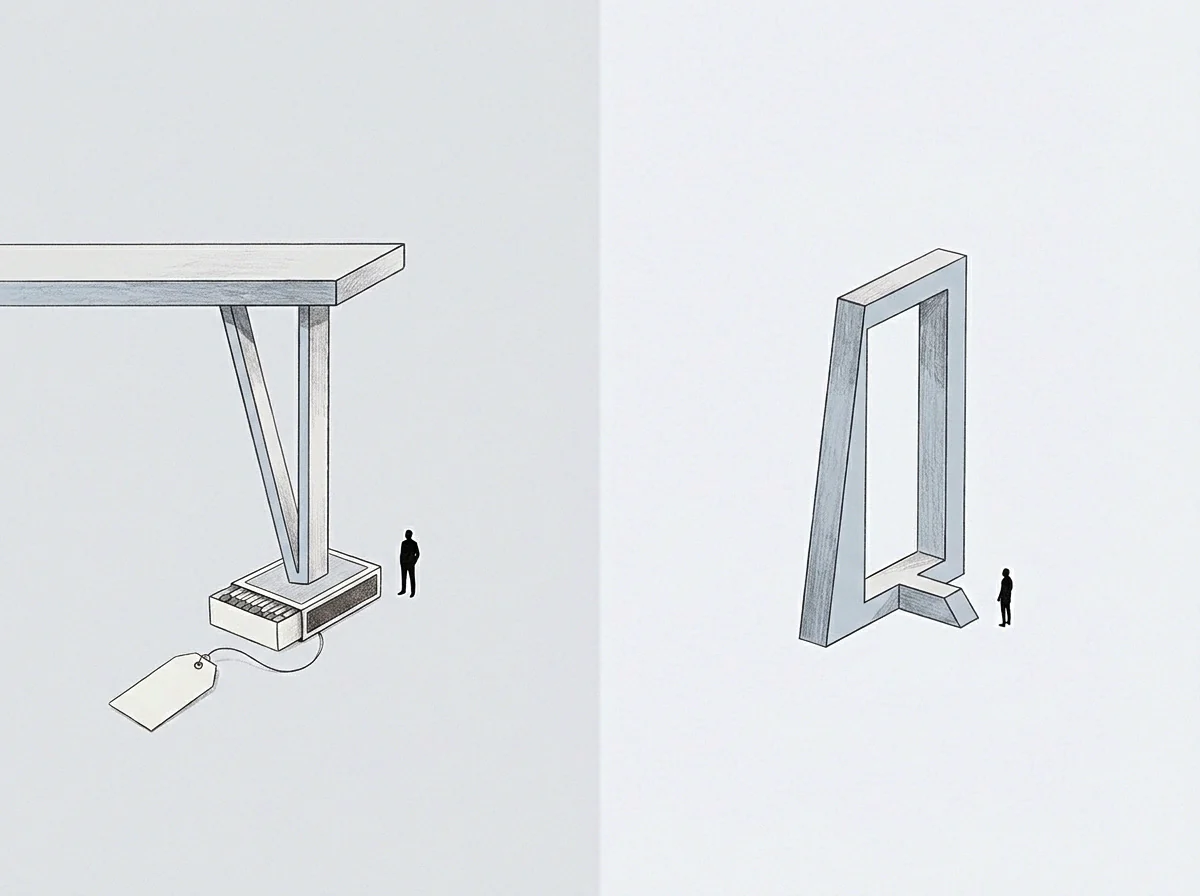
A state of structural and personal degradation where the individual holding an operational position absorbs continuous operational friction directly into their physical stamina and cognitive reserves rather than insulating the role through delegated architecture. A seat worn condition occurs when an operator holds a demanding post for years without structural buffers, reducing executive clarity and institutional resilience. The concept governs leadership fatigue, organizational bottlenecks, and the human cost of unmediated accountability.
It stops applying once an executive post is institutionalized, staffed with deputies, and decoupled from single-person survival.
Friction Absorption
Prolonged exposure to operational volatility without executive buffers gradually exhausts the human occupant. In an under-resourced enterprise, the founder acts as the universal shock absorber, catching dropped customer issues, regulatory filings, and payroll shortfalls with personal overtime. Over multiple quarters, this continuous exertion erodes cognitive speed, emotional regulation, and strategic judgment.
The position becomes a mechanical grinder that destroys the person occupying it.
Boundary Decay
The line separating the operator’s private life from the enterprise’s survival needs inevitably disintegrates under chronic friction. When an operator is in a seat worn beyond repair, every commercial emergency becomes a personal emergency requiring instant physical intervention. This decay prevents the operator from stepping back to design self-sustaining operational systems, trapping them in an endless loop of tactical firefighting.
The worn seat transforms the leader into the ultimate single point of failure for the entire business.
Replacement Limit
Vacating a degraded post requires extensive institutional reconstruction before a successor can survive in it. A replacement operator placed into a damaged seat will rapidly fail under the identical unbuffered friction that consumed their predecessor.