
Pricing the seat, not the wearing
Price a structure to the seat someone actually holds, never to the one they wear. Arguing with the wearing only trips the machinery that was built to protect it, and a structure sized to the held seat never trips it at all.
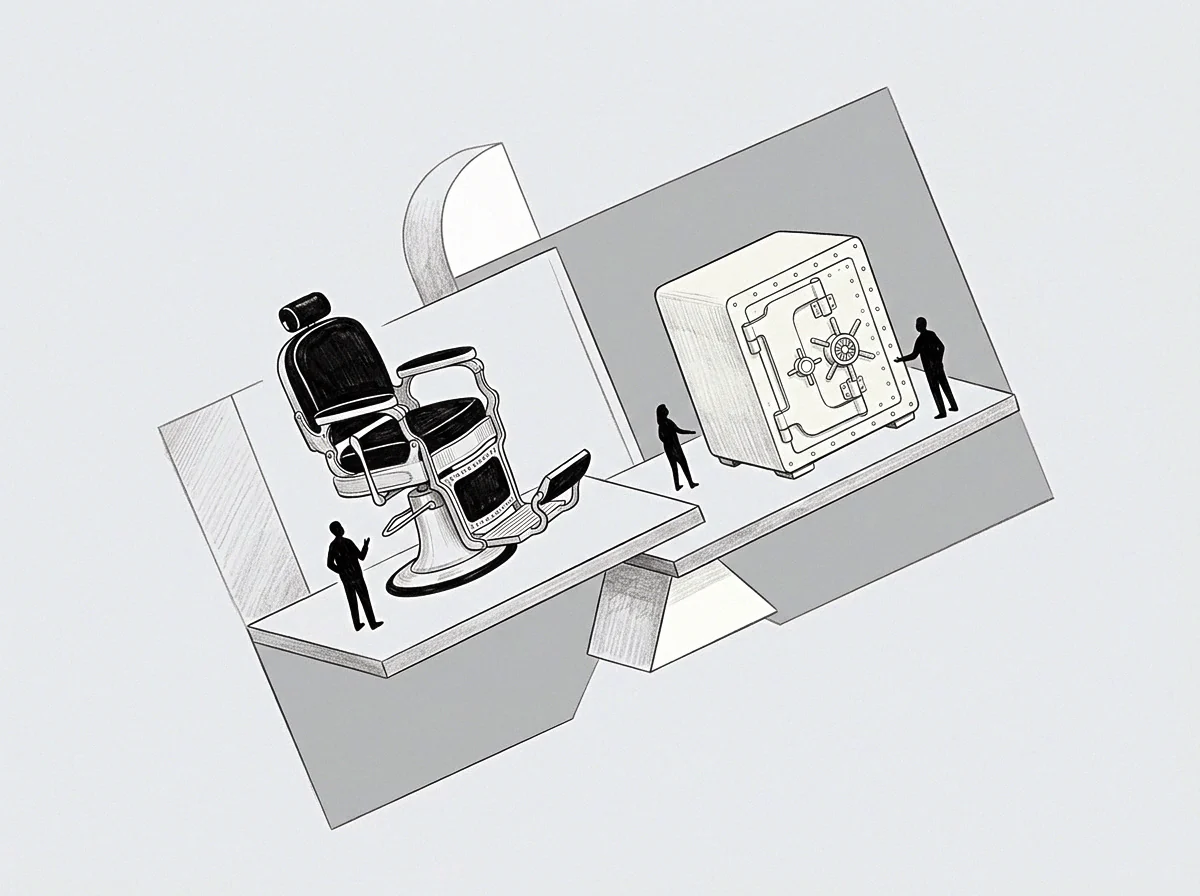
Wearing
The machinery fires in a fixed order, and it is worth knowing the order before you trip it.
Someone wears a seat. Founder, say. The wearing is a title and a story: I started this, this is mine, I am the one it is about.
Now someone arrives and argues with the story. Says, in effect, you do not hold that seat, you only wear it. What happens next is not a discussion.
What happens next is that a mechanism switches on whose entire job is to protect the wearing, and from that moment every piece of information coming into the room is filtered for threat before it is heard. The person is no longer listening to the argument. They are scanning it.
You will not win that. Nobody wins that. The argument is correct and it goes nowhere, because it was addressed to the seat and received by the machinery.
So the rule is short and I paid a lot to learn it. Do not argue with the wearing. Ever.
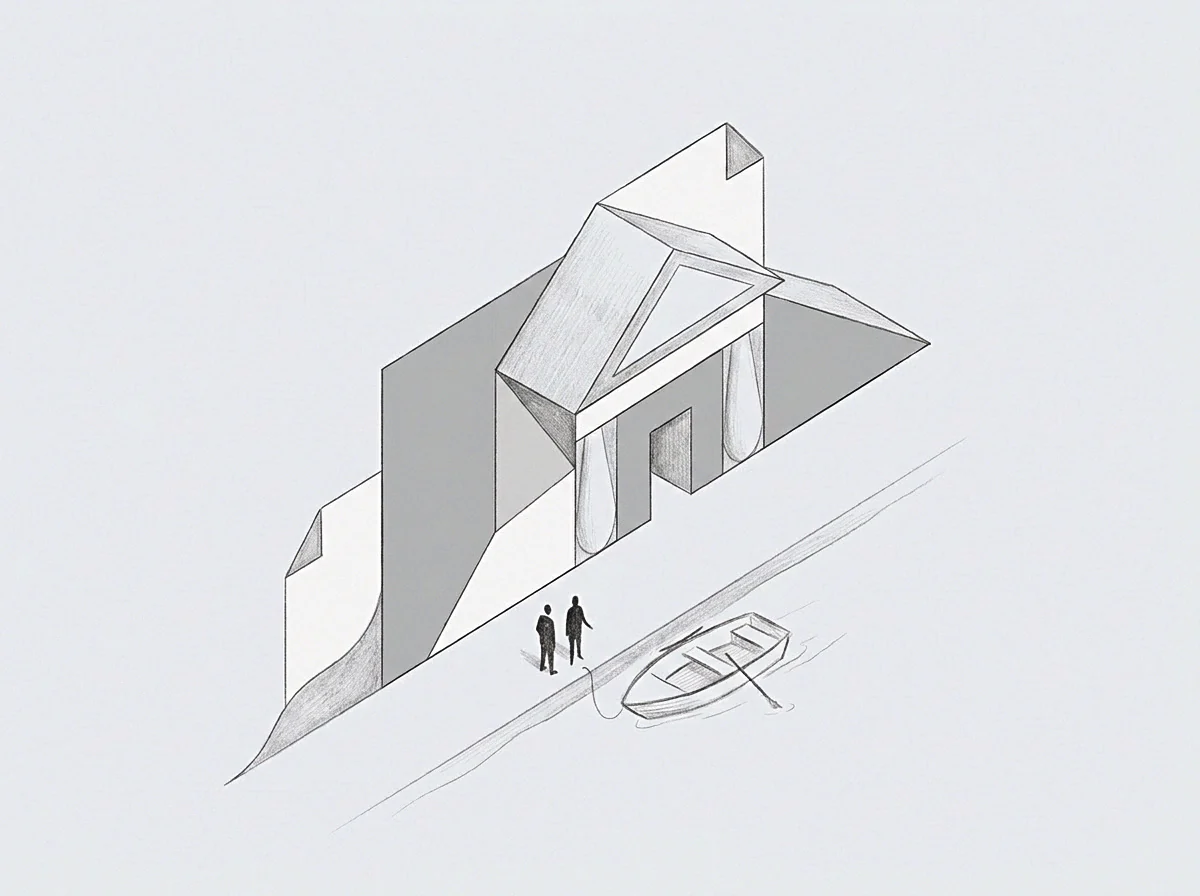
Seat
Why the machinery is there matters, because it tells you what not to touch.
A worn seat needs a narrative to stay worn. Somebody has to keep supplying the story: the work is going well, the thing you started is real, you are still the one it is about. That narrative is load-bearing fabrication.
Not a lie exactly, but a structure that holds the identity up, and it holds it up only for as long as someone keeps supplying it.
Take the supplier away and the worn seat loses its substance. There is nothing under it, because the substance was the story. That is why separation produces such anxiety in the wearer: not the loss of income, which can be counted, but the loss of the foundation the identity was standing on.
The machinery that filters for threat is guarding that foundation, and it is right to, from where it sits.
Which gives you the term you need: the held seat. The one where the work actually passes through the person. Price to that.
It has substance, it can be described in a sentence of things that get done, and a structure sized to it never activates the machinery, because it never touches the story.
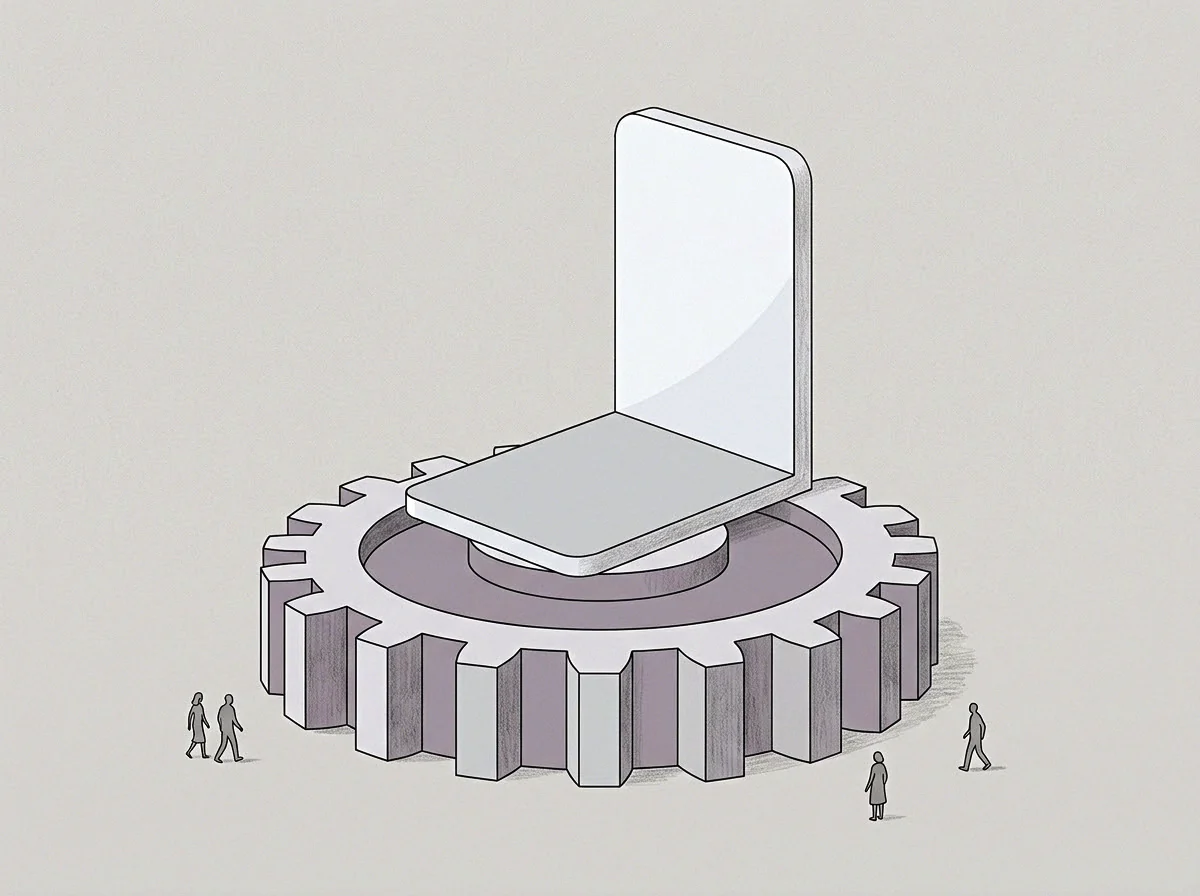
Split
I carried a partnership for years in which all the implementation was on my side and all the concept was on the other. That was the deal, and at the start it was a fair one: he framed, I built, and framing was worth something.
Then the world moved. The tools I use started doing the conceptual framing themselves, well enough that the framing seat shrank while I watched, and the execution seat did not. His original contribution got smaller relative to mine, month by month, and the deal never repriced.
It could not. Repricing would have meant saying out loud that the seat he wore and the seat he held had come apart, and that is exactly the sentence the machinery exists to stop.
So the split stayed where it was and I paid the difference, at a premium, for years.
That is the cost of pricing to the wearing. It is not the money. It is that the price becomes unfixable, because fixing it would require the one conversation the structure was built to prevent.