Meaning
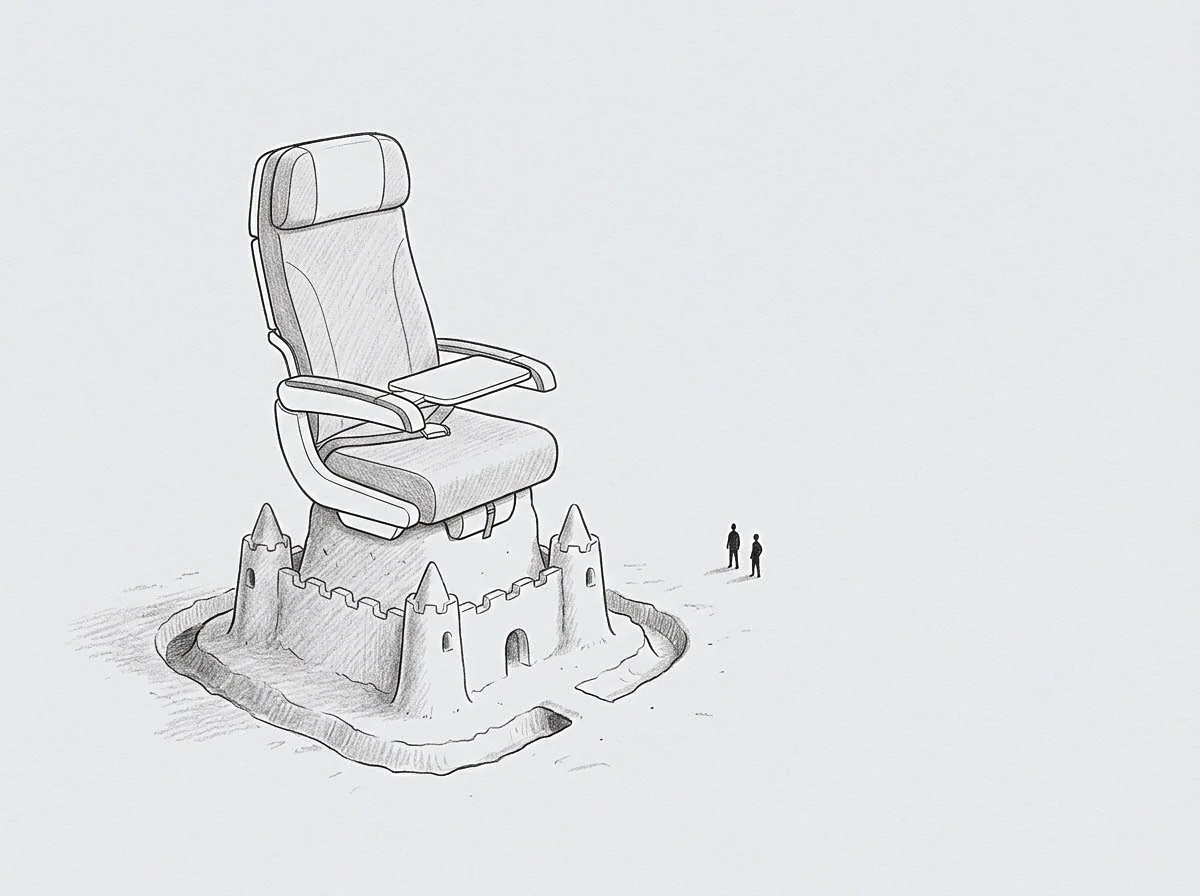
Executing tasks without external prompting drives development beyond routine maintenance. Self-initiated action describes work undertaken solely from internal priorities rather than inbound requests or external deadlines. It represents the primary mechanism through which new systems, products and internal capabilities are built.
When operational headroom vanishes, self-initiated action is the first category of work to stop, leaving only reactive maintenance running.
Autonomous Execution
Proactive initiatives require dedicated concentration and unallocated time that external demands cannot hijack. Engaging in self-initiated action allows an operator to build long term value before market pressures mandate changes. When a founder reserves dedicated calendar blocks to re-architect distribution systems, that effort proceeds without immediate external validation.
Sustaining this work requires protecting schedule space from reactive obligations. Without deliberate protection, proactive projects yield to the urgent demands of daily operations.
Headroom Requirement
Launching non-mandatory projects requires uncommitted mental energy and free calendar hours. Because self-initiated action carries no immediate external deadline, it relies on operator discipline to survive against competing daily fires. Securing sufficient headroom ensures proactive priorities receive steady execution time.
Growth Truncation
Eliminating unprompted initiatives halts long term expansion and freezes operational capacity. The loss of self-initiated action leads to stagnation because current systems degrade over time without proactive upgrades.