Meaning
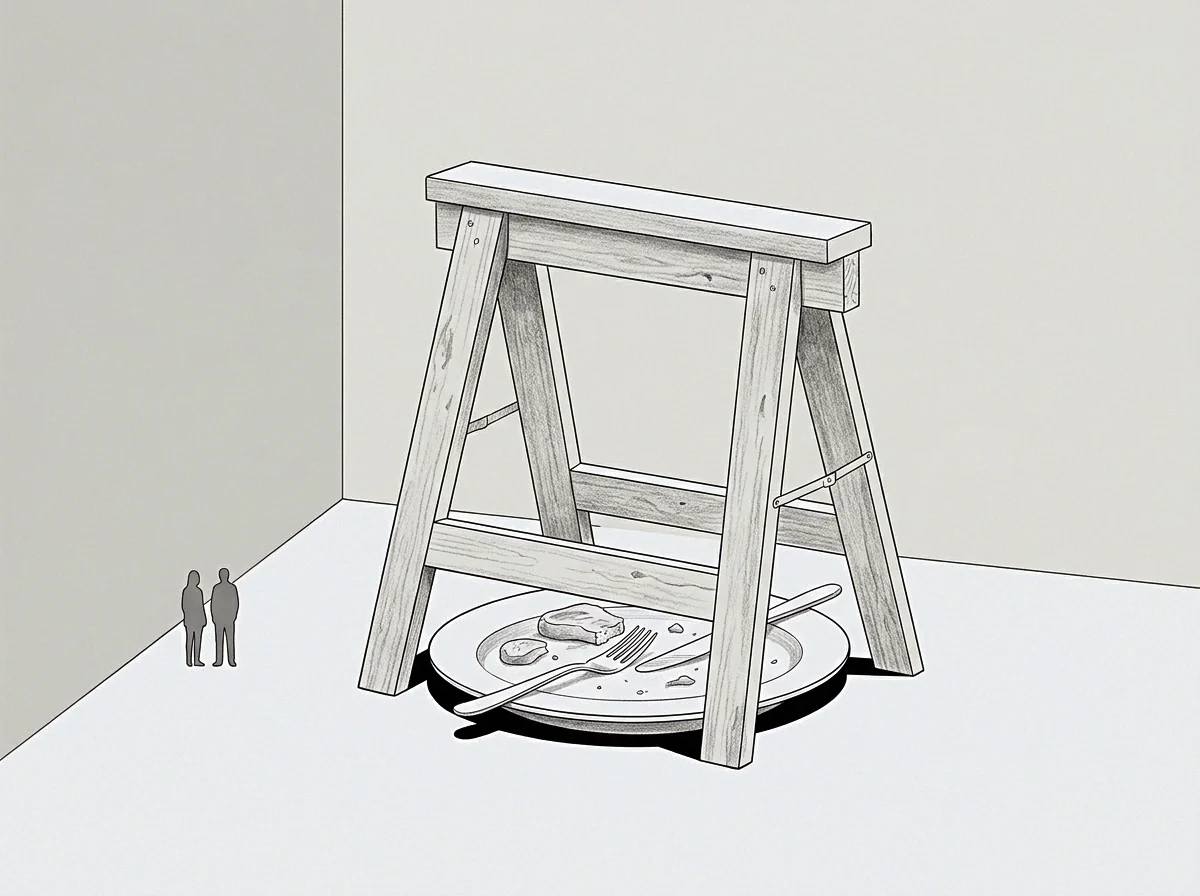
A conceptual cognitive model links persistent autobiographical knowledge with active goal hierarchies to generate recalled events on demand. Within psychological research, the self-memory system functions as the dynamic loop through which current identity demands shape the retrieval and assembly of stored episodic fragments. The mechanism continuously rebuilds past execution accounts to match the immediate goals of the active seat.
Structural boundaries inside the architecture separate unalterable documentation from flexible mental assemblies. Human operators access stored knowledge exclusively through this reconstructive filter, leaving raw historical truth inaccessible to unassisted recall.
Reconstructive Drift
Stored episodic anchors remain sparse over extended working periods, leaving wide historical gaps that working memory fills during recall. When a founder attempts to reconstruct early negotiations or informal equity splits years after execution, the self-memory system interpolates missing details from present goals, bypassing historical conditions. A person whose present seat requires defending an equity position retrieves early meetings through a cognitive filter that highlights individual contributions while dimming collaborative concessions.
The cost in attention and capacity escalates whenever two early partners attempt to reconcile divergent accounts of a single unrecorded conversation. Because neither party holds a complete primary record, each reliance on the cognitive mechanism introduces systematic distortion aligned with current identity. Such mental assembly alters recalled commitments without conscious intent to deceive, creating genuine conviction in mutually incompatible histories.
Identity Anchorage
Current working goals govern which stored knowledge fragments get activated and integrated during retrieval. In the self-memory system, the active self filters historical data to protect current self-conception. An operator transitioning out of an active role selects past events that emphasize initial technical choices over subsequent administrative routines.
This selective retrieval protects internal continuity while limiting objective evaluation of past contributions.
Temporal Asynchrony
Disagreements over historical arrangements emerge when individuals construct past events from differing present seats. Because each person’s self-memory system aligns recall with immediate role priorities, two founders who shared a seat five years prior will synthesize distinct versions of the same board meeting or equity split. The divergence arises from structural cognitive processing, operating without intentional deception.
External written artifacts, such as signed board minutes or recorded cap tables, function as the only stable anchor across changing personal perspectives. Without third-party documentation, cognitive recall adapts to present demands, rendering unwritten verbal agreements vulnerable to permanent drift.