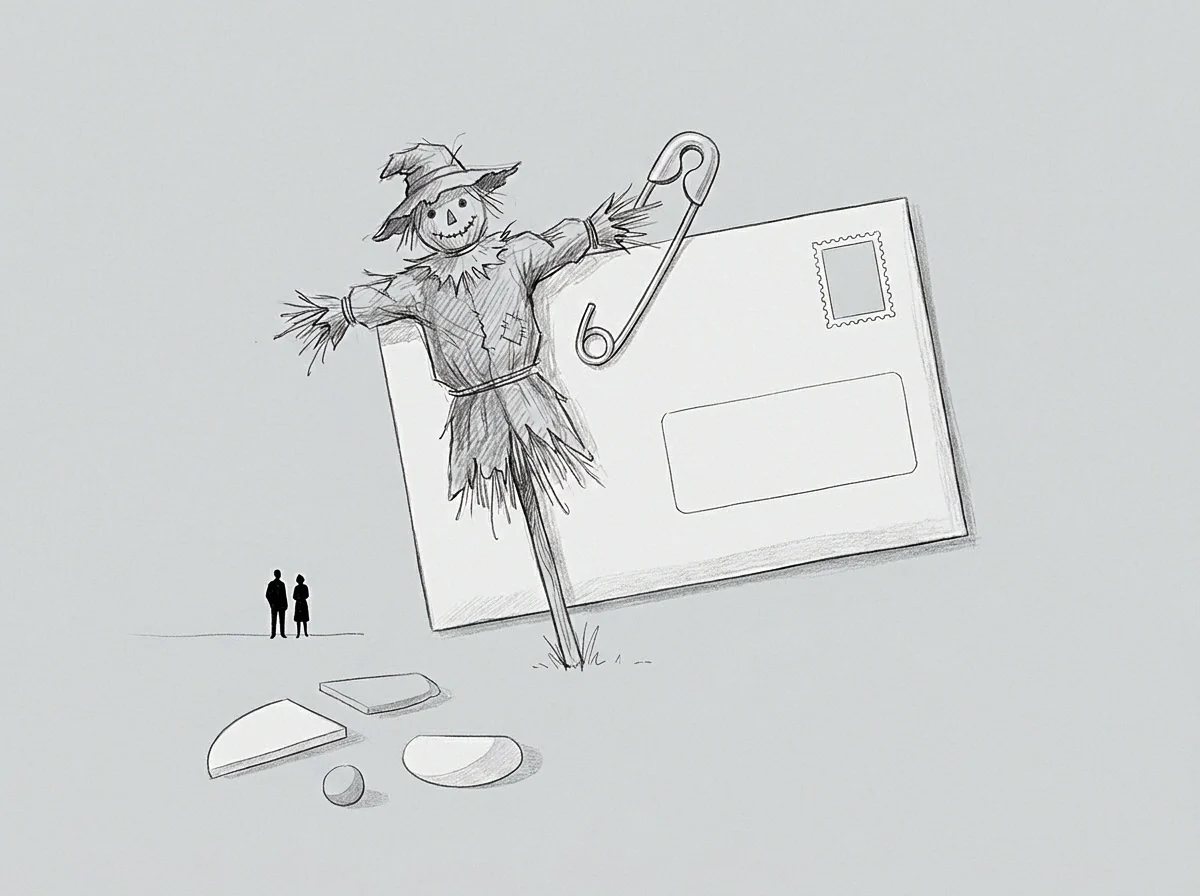
Meaning
An asymmetric communication process conveys unverified status or intent through observable actions to resolve information asymmetries between unequal parties. Credibility in unverified environments relies on signalling, where the sender incurs a transaction cost to demonstrate capability to an uncommitted observer. The mechanism governs early interactions where direct proof of performance remains unavailable.
It ceases to apply once a formal contract is signed. Direct verification replaces it.
Asymmetric Transmission
Unilateral channels require one party to bear the entire burden of initiating contact. In the years after leaving an active seat, a founder relies on signalling to project authority without holding direct control. Public investments represent one common indicator.
Such outward actions prompt the audience to engage. The channel remains silent until an observer responds.
Initiation Cost
Establishing credibility in a new market demands a measurable expenditure of resources. For an operator who has exited a business, the cost of signalling is paid in personal attention and uncompensated hours spent preparing public materials. Unilateral gestures carry no guarantee of return, creating a transaction risk that the sender must absorb entirely.
The expense remains high because silent operators are frequently overlooked. The risk is amplified when the target audience is highly selective, requiring the sender to customize every outward cue to match the recipient’s specific standards. Consequently, the sender must allocate substantial energy to research before dispatching any communication.
The process ceases to be viable when the attention cost of maintaining the channel exceeds the projected value of the relationship.
Directional History
Historical records of interaction reveal whether a channel has ever functioned as a two-way exchange. An imbalance in initiation indicates that signalling has become a permanent burden. One partner initiates every exchange.
Consequently, the relationship becomes a unilateral supply line of attention. Examining the origin of past conversations allows an observer to map the asymmetry. True reciprocity requires the direction of initiation to alternate between both participants over time.