
The shadow negotiation
Under every negotiation over terms runs a second one about who proposes and who evaluates, and it is decided before the first draft exists. I won on the merits for years inside a shadow structure I had already lost, and it turned over only when I stopped proposing and started stating.
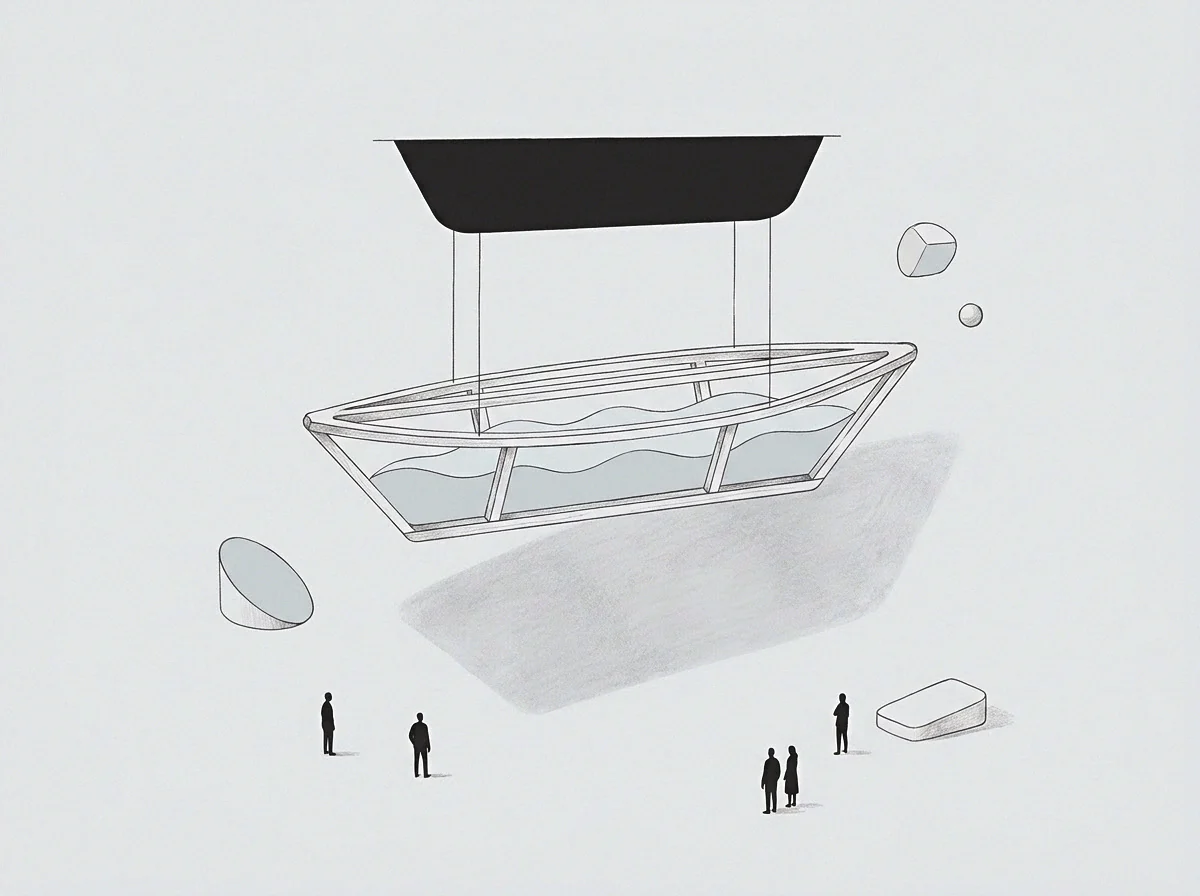
Shadow
Every negotiation over terms has a second negotiation running under it, about the negotiation itself. The table carries the first one: the split, what each side brings, what follows if it stops. The second decides how the two sides are going to deal with each other at all, which one proposes and which one evaluates, and whose reading of a clause is the reading.
The room and the hour belong to it too, and so does the first move. Nobody puts that on the table. It gets decided anyway, in the first few exchanges, usually before either side believes a negotiation has started, and from then on everything else is weighed inside it.
What it leaves behind is a shadow structure, and the usual one has two seats. One side proposes, the other evaluates. The seat that proposes makes every artifact the arrangement has, and each of them can be found short of something.
The seat that evaluates makes nothing, so nothing of its own can be found short, and it carries the standing to say what counts as reasonable without ever showing where that standing came from. None of this needs anybody to intend it. Seats get taken early, the way seats get taken, and after that they hold by themselves.
Then a loop starts.
Somebody makes a move in the shadow layer.
It lands as a feeling: the draft is weak, the proposer is being difficult, the thing is more complicated than it looked.
What goes back is an artifact. A better draft, or one more thing built.
An artifact enters the arrangement as a proposal, and proposals go to the seat that evaluates.
The evaluation is the next move.
Quality does not move a seat.
The draft can be excellent and it is still a request for review, and each one sent up makes the seat it came from a little more permanent. I held the proposing seat in my arrangement, the one who fronts held the evaluating one, and two games were running on one board. The seat that fronts played the room, where a move is made of a feeling and gets answered in feelings.
I carried the machine. Neither game can be won in the other one’s material: an artifact does not answer a feeling, and no amount of feeling produces an artifact. I wrote draft after draft for years, won every round on the merits, and kept fixing the drafts.
What needed fixing was the seat.
One term changes it, agreed before the document and written into none of its clauses: who produces the next artifact, and by when. Put that first and the structure stops being inherited. The seat that used to evaluate now holds a deliverable with a date on it, and evaluating stops being a standing and becomes a task, one that can visibly not get done.
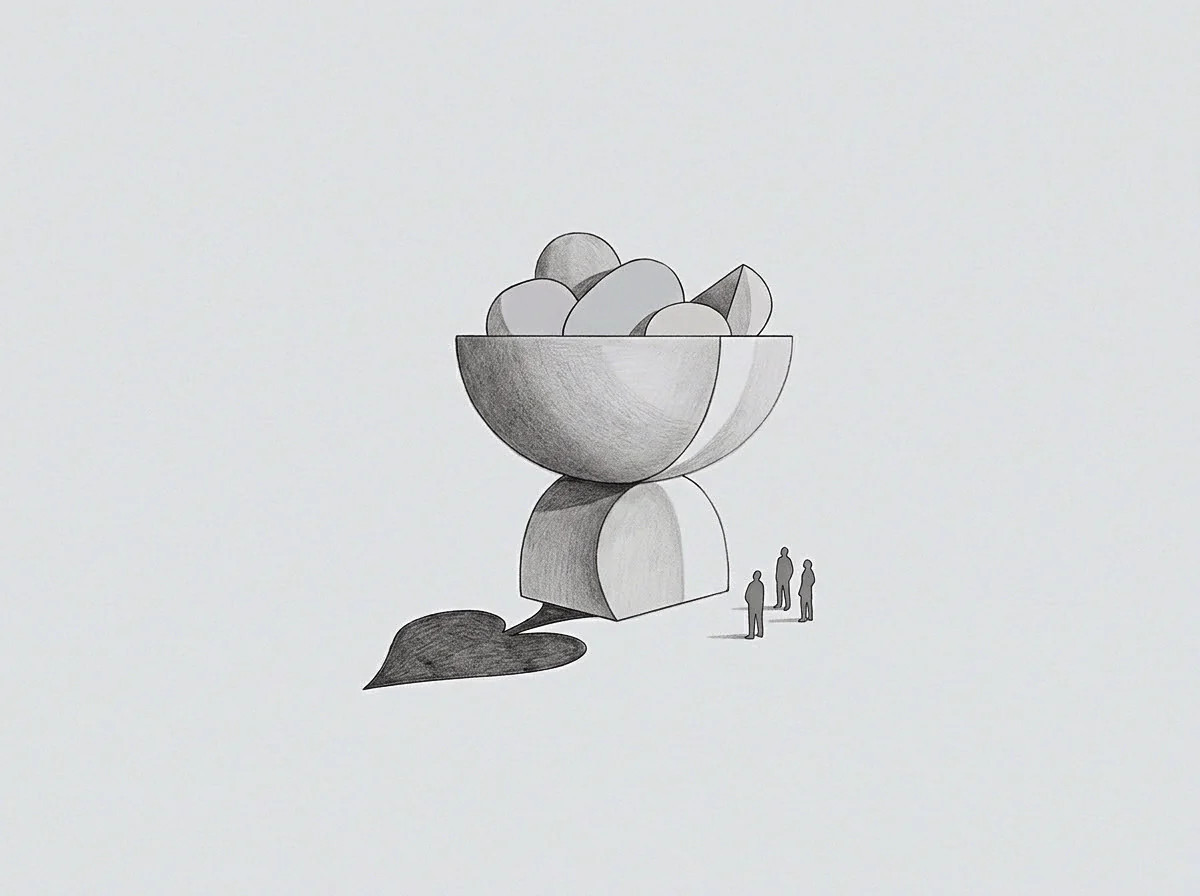
Position
Deborah Kolb, of the Program on Negotiation at Harvard, and Judith Williams described the second negotiation in 2000, in a book called The Shadow Negotiation. The book was written for women, out of research on how gender shapes what people come away with when they negotiate, but the claim in it is general. Whenever parties bargain over the issues, Kolb and Williams argue, a second bargain runs beside the first one, mostly without a word said about it, over how each will treat the other: whose needs carry weight, whose view counts, how much cooperation either side will offer.
They named that parallel bargain the shadow negotiation. What gives the idea its teeth is the timing: the issues arrive already shaped, because the shadow did its work first, while everybody was looking at the issues.
By the time the issues come up, the shadow has usually decided who is allowed to win them.
Kolb and Williams call what a party does in the shadow a move, and they sort the moves by the work each one does.
- Positioning moves fix who each side is before any substance: the one with the credentials, or the one whose story the venture is.
- Process moves fix how the thing will be done: where, when, in what order, starting from where.
- Power moves put the other party one down, by challenging competence, making an idea look small, criticising style, or threatening.
- Appreciative moves build connection, and sincerity does not take the structural work out of them.
Process moves work before there is any content, and that is where their weight is: they fix the ground the substance will be argued on, and the ground every other move will be made on. I met all four kinds in my own arrangement, and I answered each of them with an artifact, and an artifact is none of the four. The seat that evaluates takes it as material.
The one put on the defensive still argues, only worse, and reads the worse argument as a sign to try harder. Against a move there are turns, five of them. Interrupting is a pause short enough to look like nothing, and it takes away the momentum the move needed.
Naming says aloud what the move is doing. Questioning asks what prompted it, so the mover has to explain. Correcting replaces an unflattering story about one’s motives with the true one.
Diverting takes the exchange off the person and puts it back on the problem.
In 2003 the book came out again as Everyday Negotiation, and the women had gone from the title. A year later, in a Negotiation Journal paper called Staying in the Game or Changing It, Kolb gave a turn two jobs it can do: get the side put on the defensive back out of it, or draw the mover into working on the problem. The idea has travelled as moves and turns ever since: through negotiation teaching, out to tables a long way from the question it started with, as a plain explanation of how a sound case can lose before anybody has heard it.
One documented case in the work comes from a trade negotiation between two governments, over intellectual property. A threat came across the table, and the negotiator it was aimed at said nothing. The silence was not a pause before the real answer.
It was the answer, and it was the interrupting turn: it broke the threat’s momentum and handed the initiative back to the side that had been threatened. No sentence available could have carried as much. Then came a diverting turn, a signal that the offer on the table could be revised, made in a form that let the other side climb down from the threat without losing face.
And the turn held because the other side still had somewhere to stand. Take every exit away and a turn comes back as escalation.
The book does not ask anybody to choose between holding their ground and keeping the relationship. Kolb and Williams call the first advocacy and the second connection, and the negotiator they describe does both in the same exchange.
What I kept from it: the room gets negotiated before the artifact does, and once the room is decided it decides which artifacts go up for review and which are simply received. Seeing that cost me years, and they were not years of being outargued. Being outargued I would have noticed.
They were years of winning every round inside a structure that turned each win into one more proof of the seat I was sitting in.
I read the seat before I touch the draft.
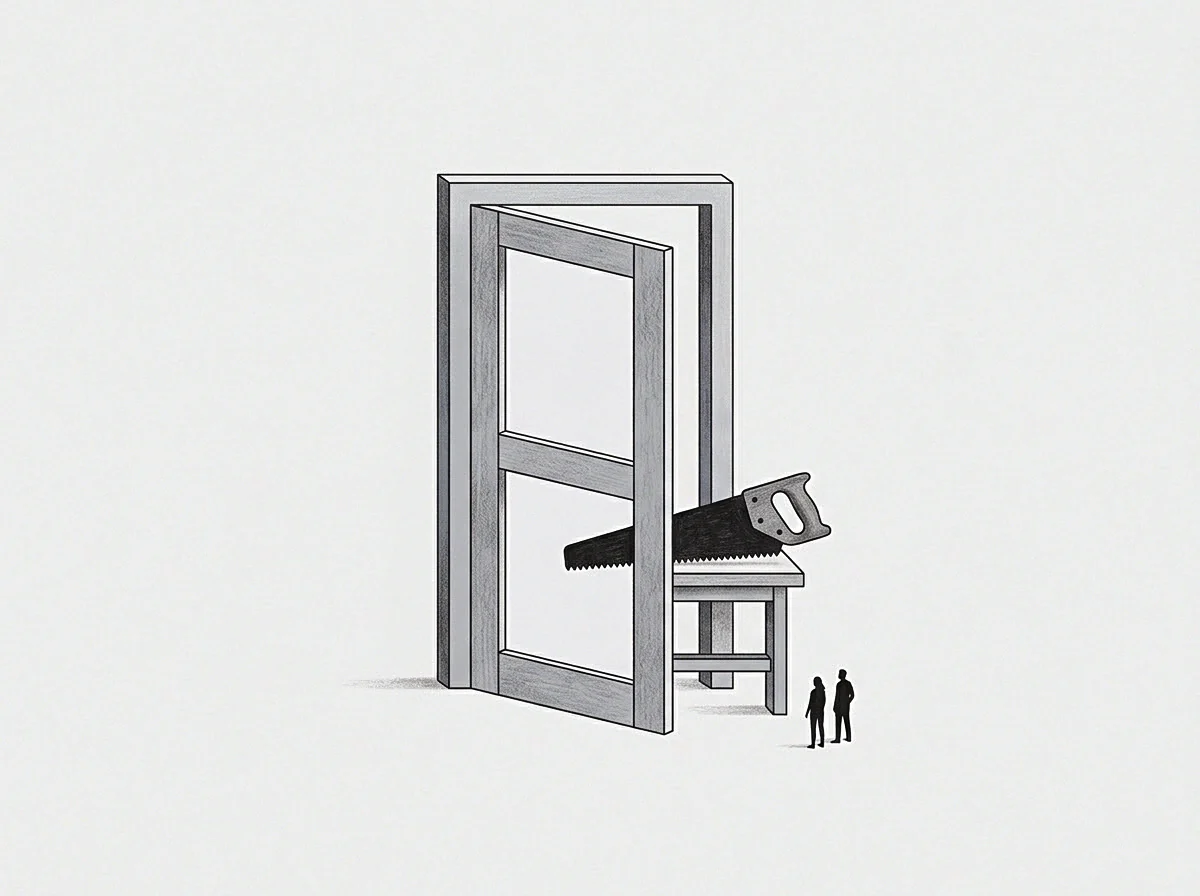
Process
Process moves almost never look like negotiating. A meeting in one side’s space at one side’s hour, with no agenda and nothing on the table. An offer to start the whole conversation over, or a view on what should be talked about first.
None of them mentions the substance, and each decides inside whose frame the substance will be handled. They get accepted without anybody deciding anything, because turning one down looks like bad faith and not like a counter-move.
The mistake is the reply on the merits. Whether a fresh start is fair is a real question, and the moment it becomes the topic, the relationship is what is being discussed and the artifact has left the table without anybody watching it go. A process move gets answered in kind: a question about the process, or an agreement that costs nothing and leaves the next artifact on the other side.
A probe is a process move dressed as a question. It is built to be answered in one word, and either word gives the side probing something soft to push on. I answered one once with a finished structure instead: the options already priced, the paper ready to sign, a date, and a fallback that asked nothing of the other side.
Nothing in it was loose enough for a probe to catch on. It was accepted as it stood. The side that sent the probe learned that a small question comes back here as a whole job, and nobody sends the next probe after learning that.
What turned my own table over was a process turn with no argument in it at all. I stopped proposing. I wrote one rule down and stated it once, and from then on, whenever the subject returned, the same line went out, word for word.
And I stopped walking into the room where evaluating happened: no meetings, answers on paper only. The line was not a draft. It said what happens and what would start things again, which gave the other side one way back that costs nobody face: produce the next artifact.
The seats turned with it. I used to propose, and the seat that fronts evaluated. I state now, and the seat that fronts receives.
A proposal asks for review, and a statement only asks to be read.
The one who wants the next thing to happen has to make it, on paper, where a move exists only once somebody has written it down, and the clock that used to run on the room’s time now runs for nobody. None of that took skill. It was a change of ground.
Moves need a room: both sides there at once, answers made on the spot, a face to watch while a line lands. The line took the room away, and on paper the shadow has nothing to stand on.
The room carried everything in the arrangement that nobody had written down: the shadow, and the part that was never a move at all. I took the room out and both went, and I have not found the version where one goes and the other stays.
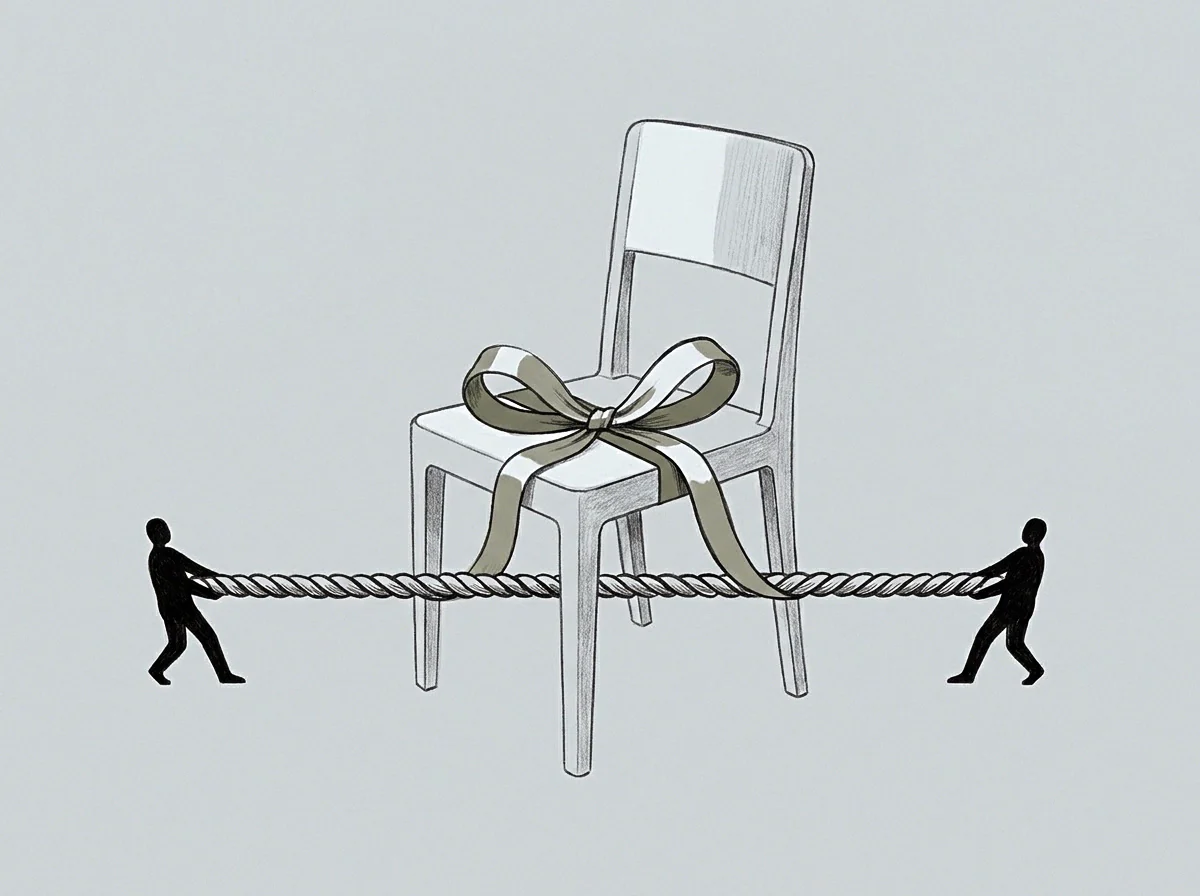
Power
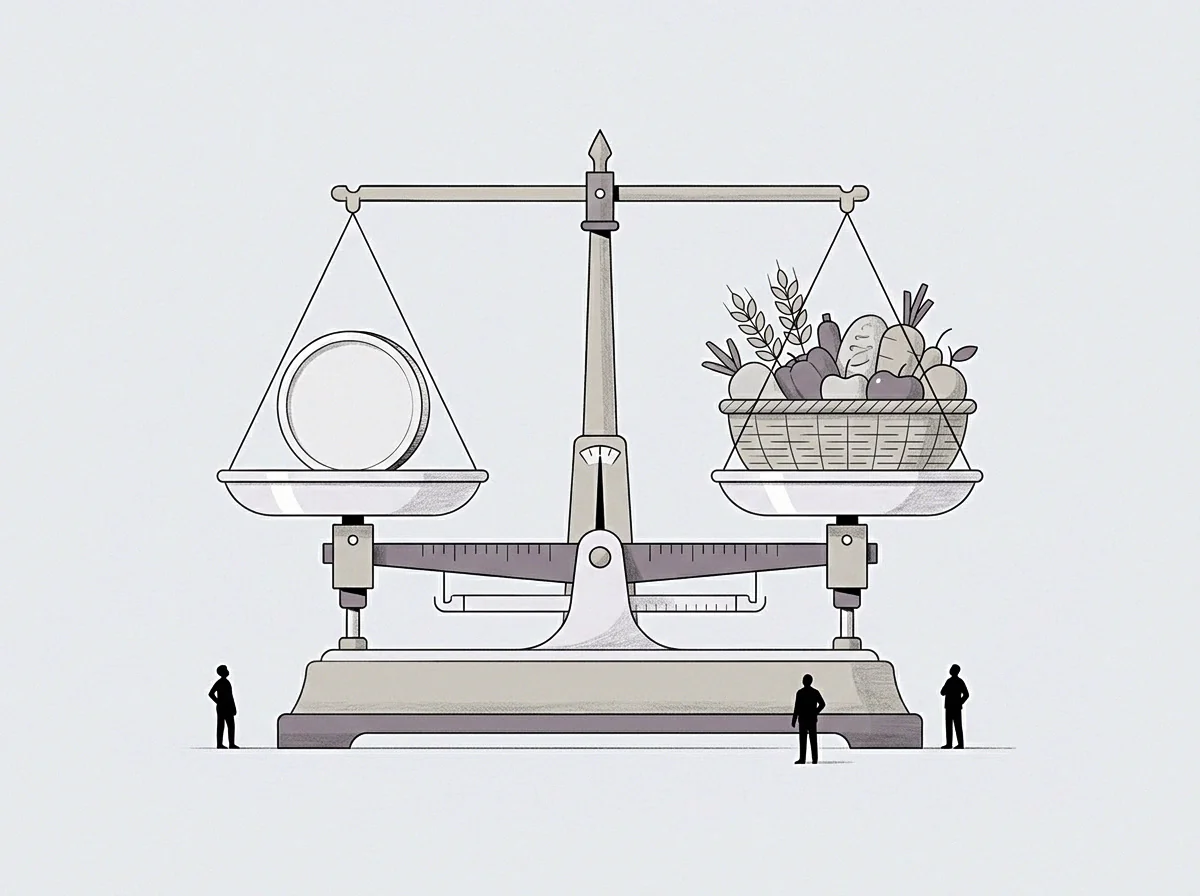
Moves That Take the Page Away
Power moves arrive as ordinary sentences, and that is most of how they work. A doubt about competence. The idea described as smaller than it is.
A remark about style. A consequence that would fall on one side alone. And two quiet ones: a standard nobody at the table can check, and an appeal to sympathy.
Each sounds like a comment on the document. What each does is lift the subject off the page and put a person there, and whoever answers on that ground ends up defending themselves beside a document nobody is reading.
A turn puts it back on the page. A question makes the mover name the standard, and the line where it fails. A request for the critic’s own version moves the critic into the producing seat.
Naming holds once. Said a second time it stops being an observation about the frame and becomes an accusation about a person, and that is a fight on ground the mover picked.
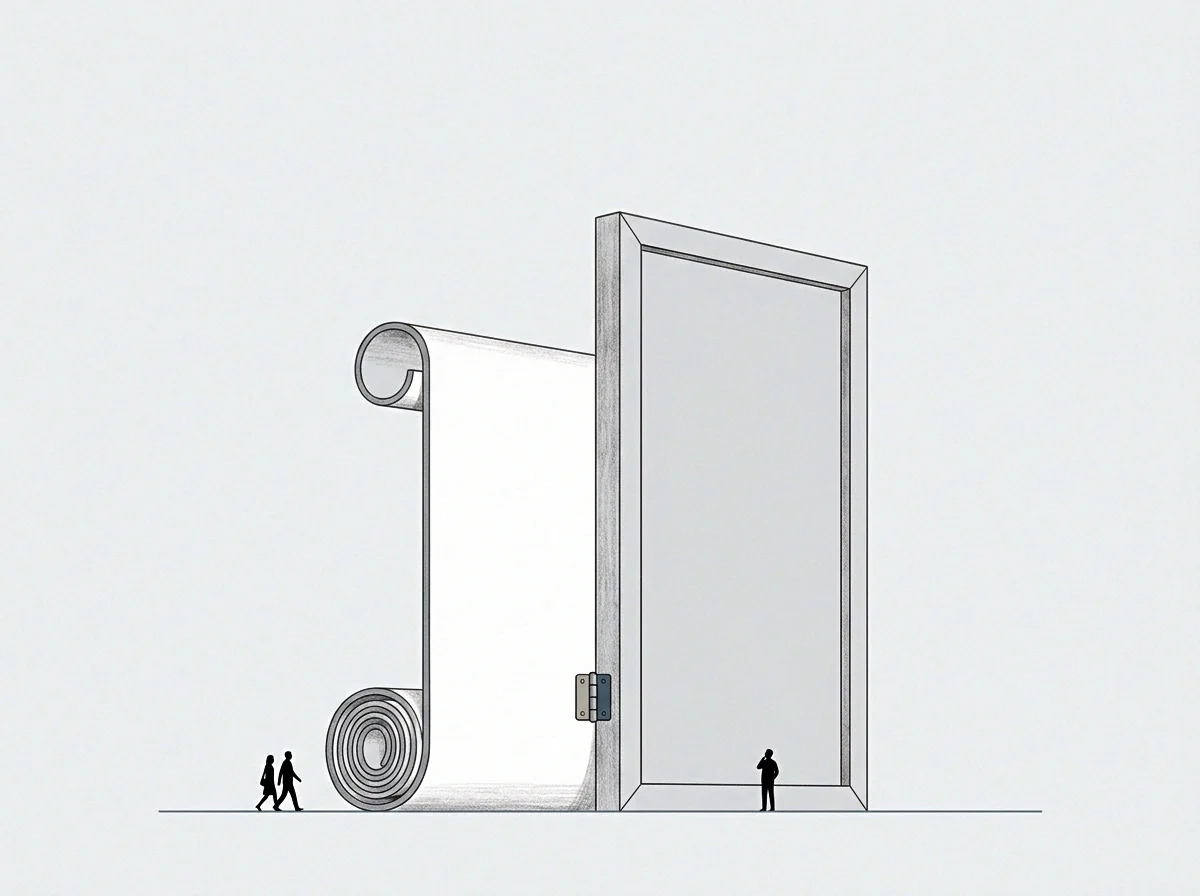
The Move I Receive
I do not turn the appreciative ones. Praise for the work, or a kindness with no occasion attached. They are usually meant, they cost me nothing, and somebody who reads every warm word as a tactic becomes a person nobody wants across a table.
They are the connection half, and my part in them is smaller than a turn: the warmth gets taken as warmth, and the next term does not move.
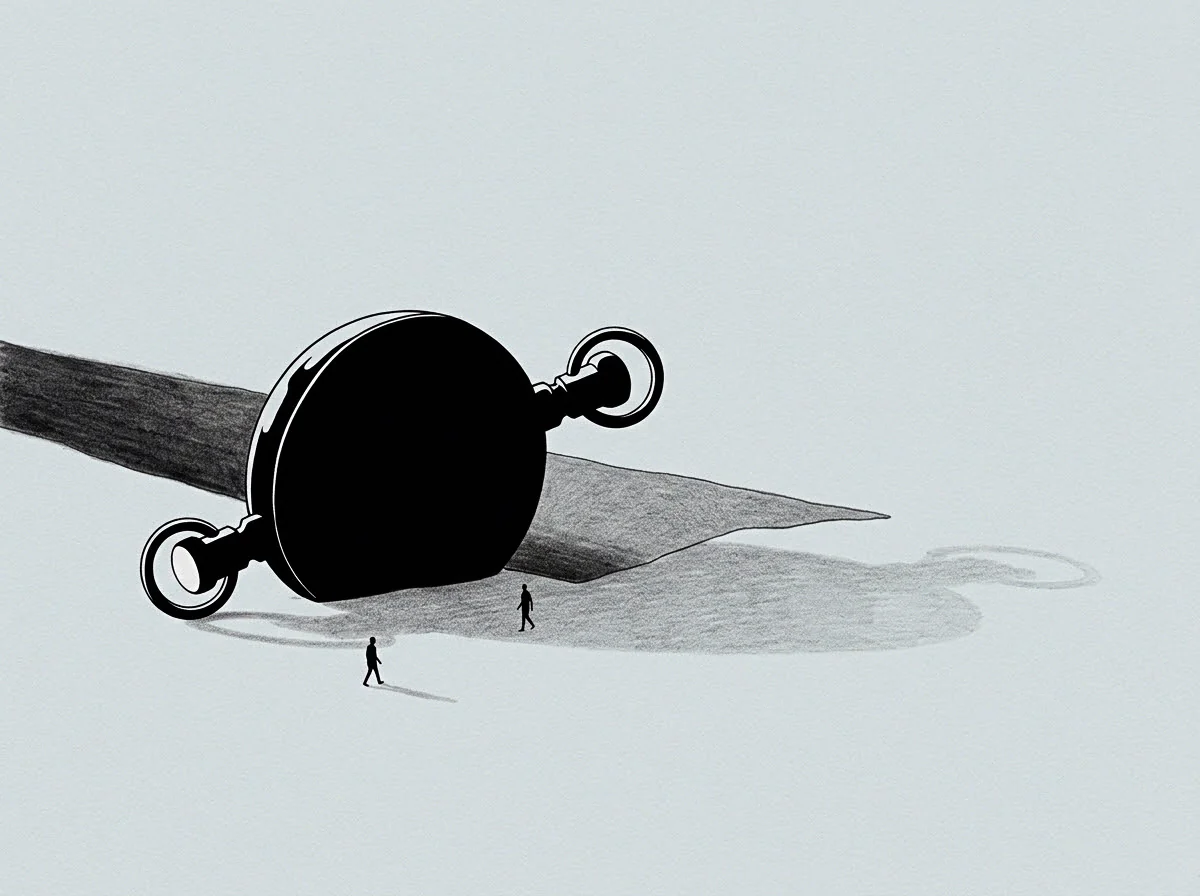
Where the Room Ends
A repertoire of moves that has lost its room goes after the room. It will not come back framed as the terms, because the terms now meet a written rule. It comes back as something social, and something social costs more to turn down than a meeting about terms does.
And if every move was made in the room, and the room is gone, was there ever a negotiation over the terms at all, or only ever the one in the shadow?