
Naming as a license, not a cure
I had my own language read back to me and came away with five names for what I do. A name takes nothing away: the reflex fires as before, and what I hold now is a place to stand next to it and a license to carry the claim outside, which is where I found that the thing to change was not the thing I had named.
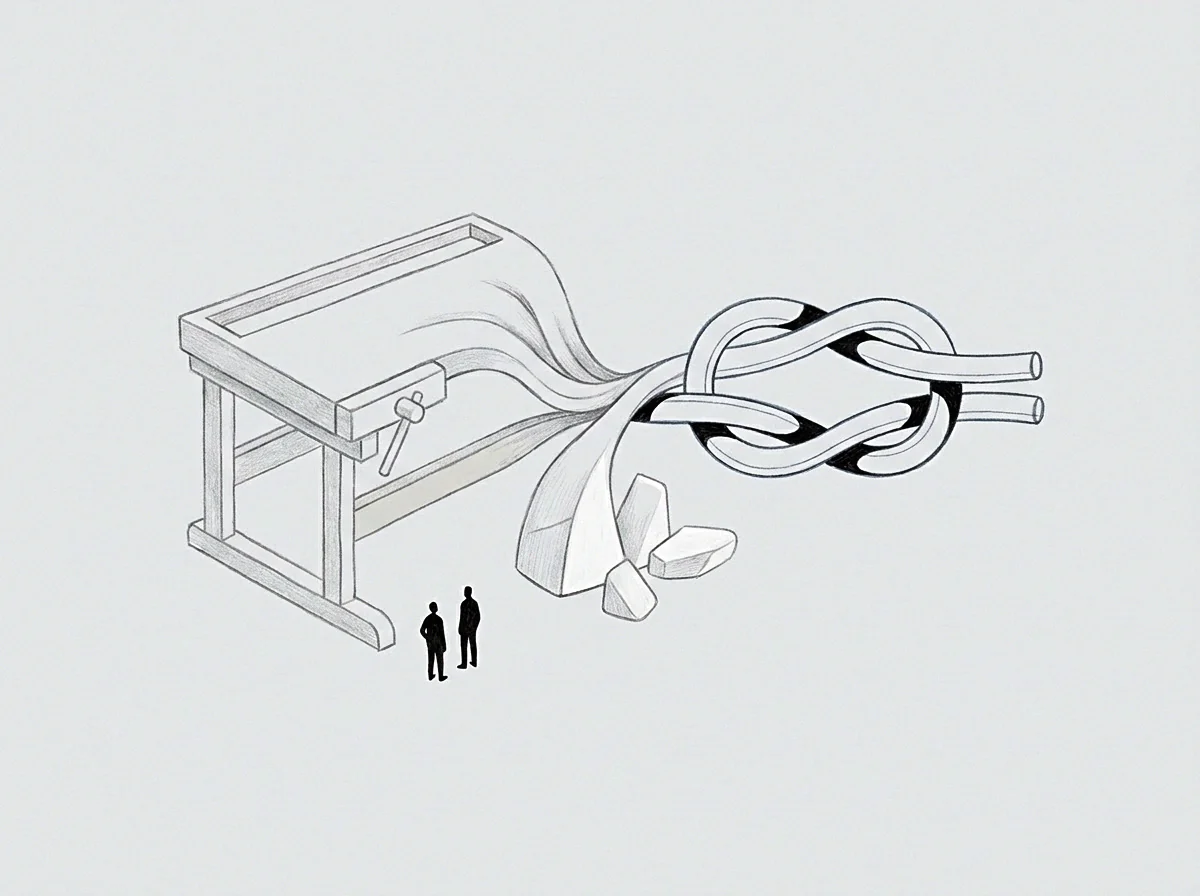
Vocabulary
Understanding a pattern and changing a pattern are separate operations, and for a long time I paid for the first one under the impression I was buying the second. They run on different material. The first gets done sitting down, in your own language, alone.
The second cannot be done there at all, and no amount of the first will start it.
I did the first one properly. I asked to have my own language read back to me, plainly, with nothing softened. Five things came back.
I recognised each of them before the sentence describing it had finished, which is what recognition feels like when it is real and not flattering.
- Reading a person before the person has spoken. The long word is hypervigilance, and the word matters less than the lineage: a read like that gets learned where a wrong one was expensive, and only later does it turn out that people will pay for it. It is my profession now. Nobody put it in for that purpose.
- Whatever has hurt me once gets a structure put around it afterwards. A procedure, a price list, a waiting period with a date on it. Systematization, if you want the long word. What it does is short: a structure tells you in advance what it will do, and a person is under no obligation to.
- Checking my own reading with somebody outside before I trust it. Is this real or is it me, am I making it bigger than it is. It is not modesty. A perception that once lost an argument it should have won goes for a second opinion from then on. That one is the verification reflex.
- Worth counted in output. Care leaves me in the form of work done, because that is the form I trust, and nobody keeps count of it, me included. The name it got is provision grammar.
- No feeling of mine gets said bare. It goes out with a reason fixed to it, like a form that has to be filled in before anything is released: tired, and here is what got finished first; moved, and here is the load that explains it. The thing fixed to it has a name too, the justification memo.
The record files the five together as adaptation fingerprints: marks left on a person’s language by fitting to conditions, still legible when the conditions are long gone.
Every one of the five was installed, and not one of them was chosen.
I walked around with that for about a day and it was enormous. Then the week went on as before. The read ran ahead of every conversation, a structure went up around the next sore thing, the second opinion got asked for, the memo got attached, and this time I had the word for each of them while it was happening.
Having the words was new. Nothing else was.
What a name hands you is a license. A cure would take the thing away. A license takes nothing away and proves nothing.
It says you may now carry the claim outside and find out, from somebody who was nowhere near when you named it, whether it holds. What moves is the place the pattern can be checked in. Before the name there was only weather, and weather cannot be carried anywhere.
After it there is a sentence, and a sentence can be put in front of a person.
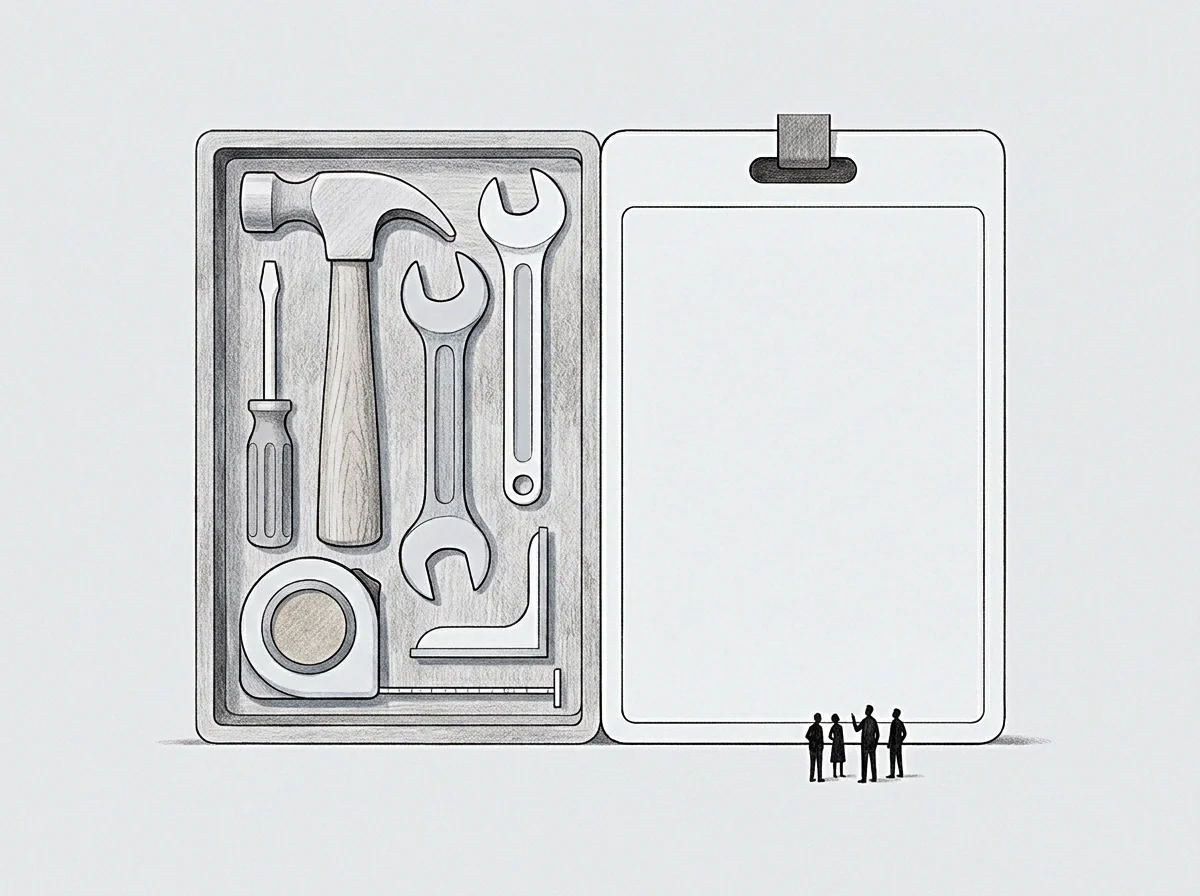
Exposure
The second step is exposure, and I sat on it for months.
Everything I have learned about myself came out of a very small supply. A handful of people. One channel.
My own processing, running late, over material that has already been through it twice. That is a closed loop. It is warm and it is fast and it will produce vocabulary forever, because it is not short of raw material.
It is short of contradiction.
A named pattern is a claim about the world. This is what I do, this is what happens when I do it, this is what people do back: three claims, and each is about a place I was not standing in when I wrote it down. A loop can phrase a claim beautifully and has no way of settling it, because everything it would use to settle it is already inside.
The naming gets done alone, and the thing named lives among other people.
I hold this rule at work already and have for a long time. Nothing I build counts as real while it sits on my own machine. It counts once it runs in front of strangers and the numbers come back, and the numbers are often rude.
I had not applied that rule to the five. Not once.
Inside, a pattern is a description, and a description cannot be wrong in any way that costs anything. Outside, the same pattern is a prediction. A prediction can fail, in front of somebody, while you are standing there, and that is the one useful property it has.
Exposure is cheap to say and expensive to do. You take the sentence you built inside and you put it where somebody can answer it. Not for comfort.
For the answer. The person answering does not have to be kind or clever. They only have to be outside the loop, because the whole value they carry is that they were not there when the sentence was made.
My picture of the second step was wrong. I had it as a choice between two bad options: go in armoured, with a script, or go in open and be taken apart. There is a third way, and the naming is what pays for it.
A person whose position is settled before the conversation starts has nothing in the room that can be decided badly: the terms are stated, and every decision that person is willing to make is already made. The openness then costs almost nothing, because what is exposed is the sentence and not whoever brought it. Without a settled position the same openness is just standing there uncovered.
A name that has not yet cost me anything with another person watching is untested. It is only well phrased.
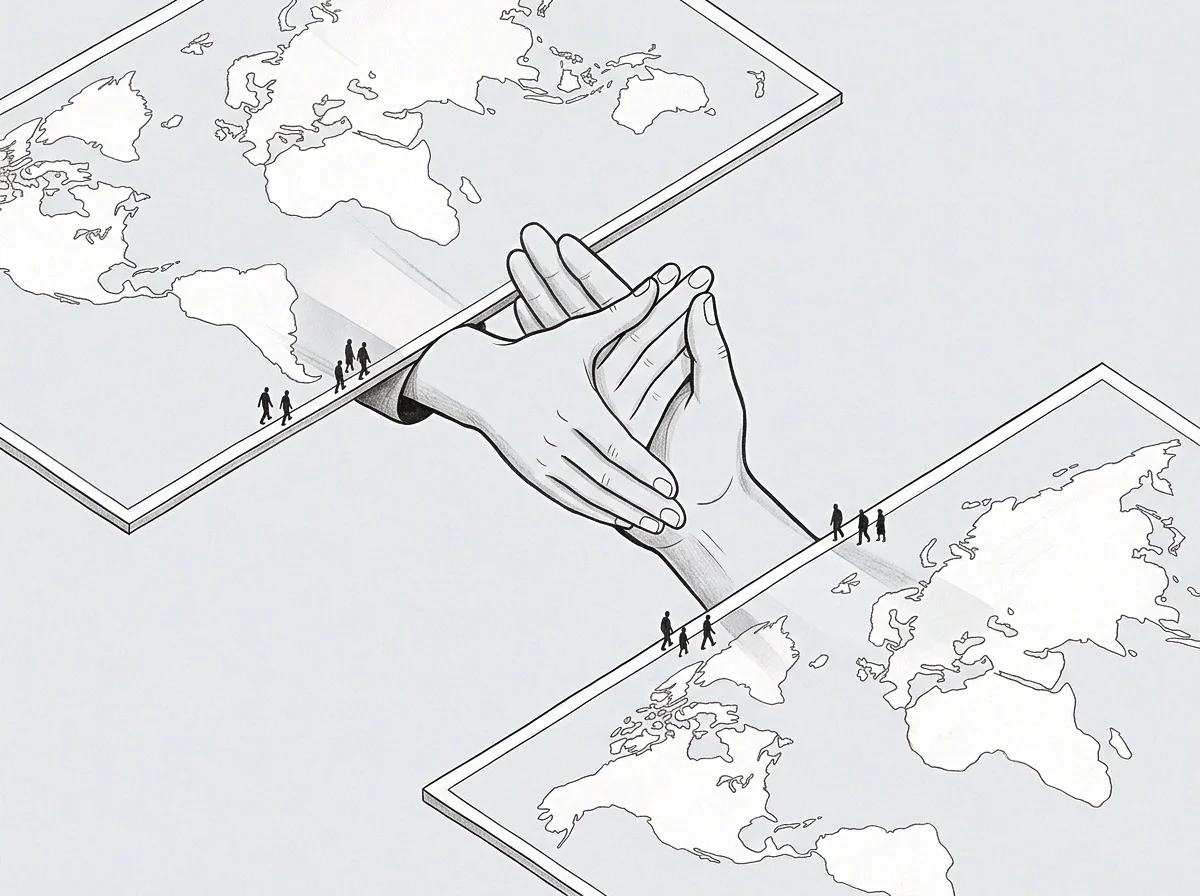
Adaptation
The five have a source, and the source is not that I am interesting. The word over the whole area is trauma, and the body of work gets called trauma theory. Before I lean on it I want to be exact about how much of it I hold.
It reached me as an argument, second hand, through a channel, as a summary I asked for and then argued with for weeks, and a summary argued with is not the same as work read. So I am not going to put names on it that I was not given, and I am not going to tell you what the field has made of it since, because I was not told. What I can do with an argument is the one thing an argument is good for: hold it against my own equipment and see whether it fits.
It fitted, in a way I did not enjoy. The claim is not that the person is broken. The claim is that the person is fitted.
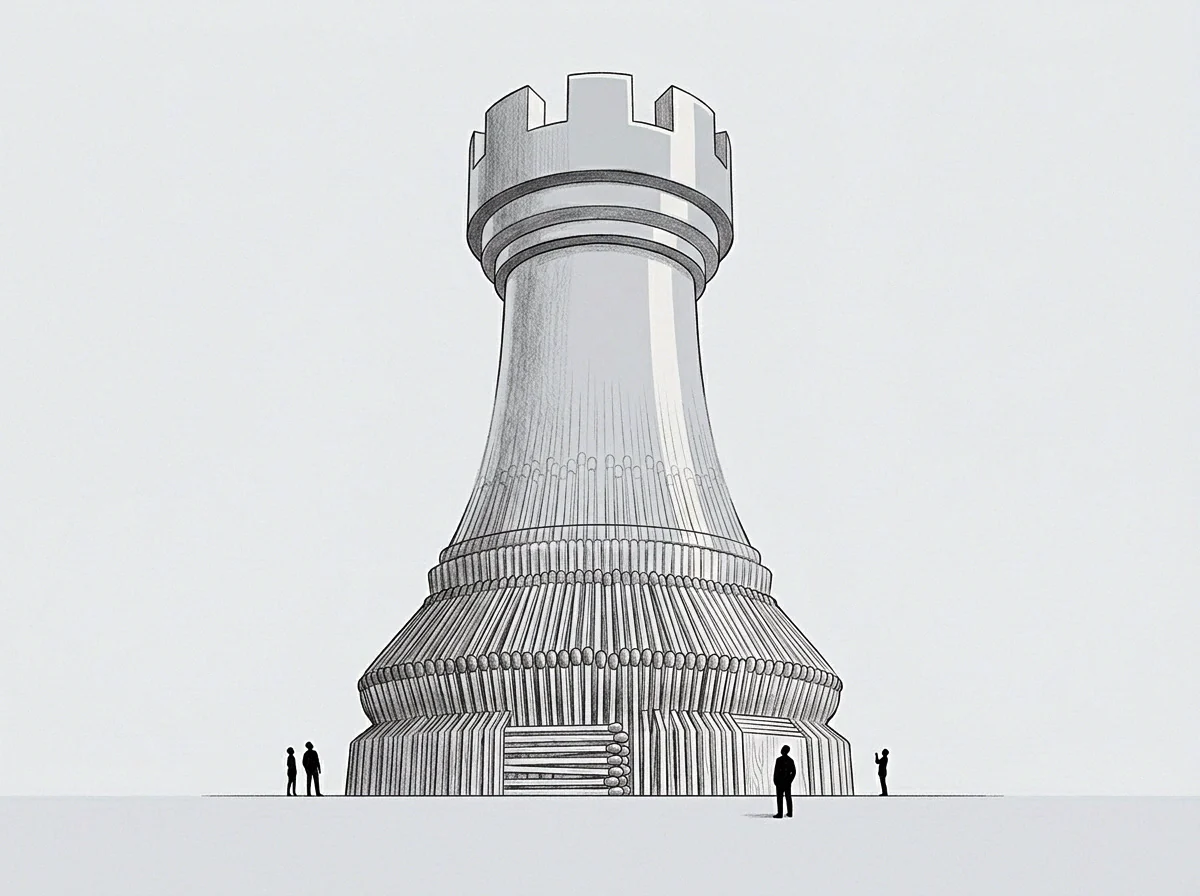
A Solution Fitted to Conditions
Three steps, run in order, and a young system runs them without being asked to. First the conditions are unsafe in some specific way, and something in a child finds a response that lowers the danger: read the other person early, build structure so nothing can arrive without warning, check your own perception against an outside source, because your perception has been overwritten before and you know it can be. Then the response gets rehearsed under load until it stops being a response and becomes equipment, running whether or not the danger is present.
Something installed by necessity was not a preference to begin with, so it cannot be put down by deciding to put it down. Then the conditions change and the equipment does not, because nothing in the system is watching the conditions. The equipment is watching for the danger, and it is very good at finding candidates.
The plain name for the whole of that is adaptation by necessity. The fit expires and the fitting stays. Nothing in it was stupid.
It was correct, for conditions that have since left.
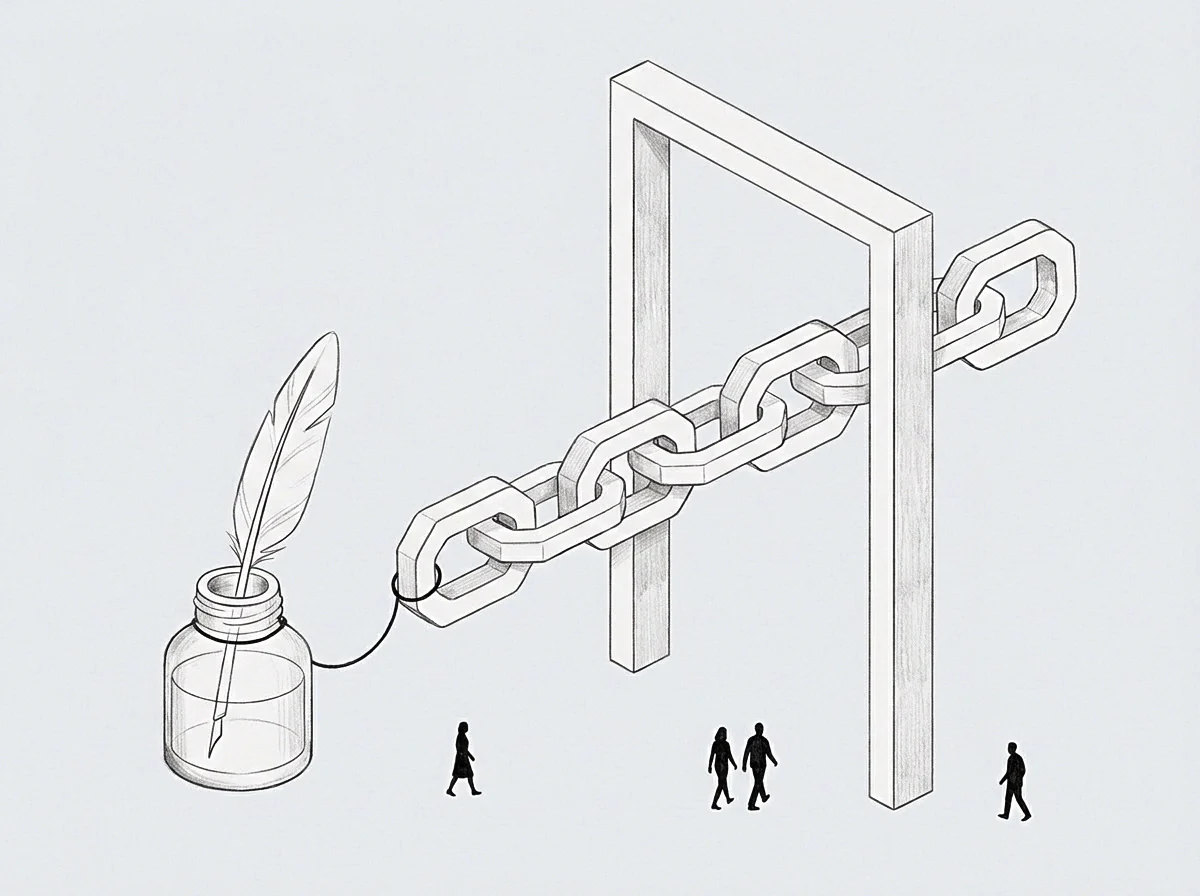
What I Took from It
What it cost to find it true was a sentence about myself I had been using for years. I work this way because it suits me; I build structures because I like building them. The second half of each is true and the first half is the part that was fitted, and it was fitted before I was old enough to be asked.
Taking that in was not a pleasant afternoon. I would still rather have it than the sentence, because the sentence was quietly charging me for a choice I did not make.
The rule I carry out of it is about fit, not about fault. My equipment is not a thing to be removed and it is not a credential either. The read is real and it earns money, necessity installed it, curiosity had no part, and all of that stays true in one sentence without cancelling.
What I ask of a piece of it now is short. Name the conditions it was built for, then look for those conditions in the room, and where they are absent while the equipment runs on schedule, take it that nothing is broken and something is late.
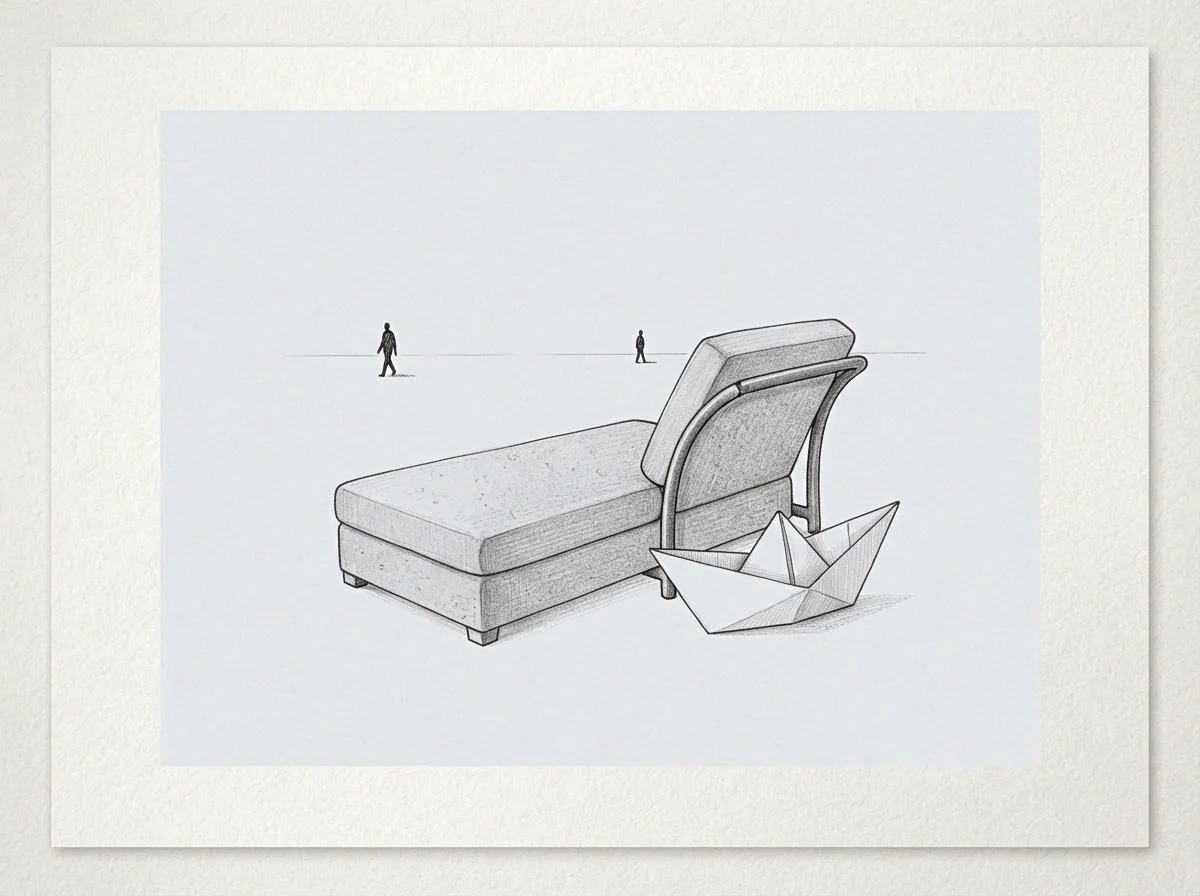
History
A reading of my own language turned up a second column, and I had not asked for one. The five were the half I expected, and I would have taken them as the whole answer if they had come alone. The other half is a set of marks left by repair.
They got the name integration signatures, and they are dull to look at, because they are ordinary days done differently.
Nothing in that column announces itself. Each one is a thing that used to go one way and now goes another way, and I know them only because somebody counted them back to me in my own words.
The alarm still goes off. I check it now against something outside me before anything gets done on its authority.
A loss gets grieved in its stages as they come, on a schedule I can see.
The jokes at my own expense come from somewhere secure now, and a system run on shame cannot make those.
Once in a while a feeling gets said with no memo on it.
I used to make plans as long as I thought I could last. They run a quarter ahead now, sometimes a year.
Both columns are true at once, and that is the part I keep having to learn again. Nobody moves out for this kind of rebuilding. The structure went up fast, under load, and it gets changed with me still inside it.
That is why the work is slow, and why from outside it looks like nothing is happening at all.
The part of me that asks whether the equipment is still needed is not more equipment. That distinction took me a while to hold. A thing built to keep you safe has one answer to being questioned, which is to defend itself.
It does not ask. The asking belongs to the second column, and it is the item in either column that nobody had to install.
So my history is not one story with a direction in it.
It is two columns running at the same speed, and any given week adds to both, and neither of them settles the thing I actually want settled. How do you tell equipment that is still load-bearing from equipment you keep because your hands know exactly where it is?

Earning
The place the second column sits is attachment research, and it reached me the same way the first half did: a summary, through the same channel, no authors on it and no years. I asked for it and then argued with it for a while. So the same limit holds here.
I can tell you what the argument holds and what I did with it. I cannot tell you who ran which study, or what has been built on it since, and I am not going to invent that to make this sound better read than it is.
It carries a class called earned secure: a person whose history did not supply security, and who functions securely anyway, having got there late. The word earned is doing the work in that phrase. Membership is defined by arriving, not by starting well.
Four things are named as the routes in, and they do not cost the same.
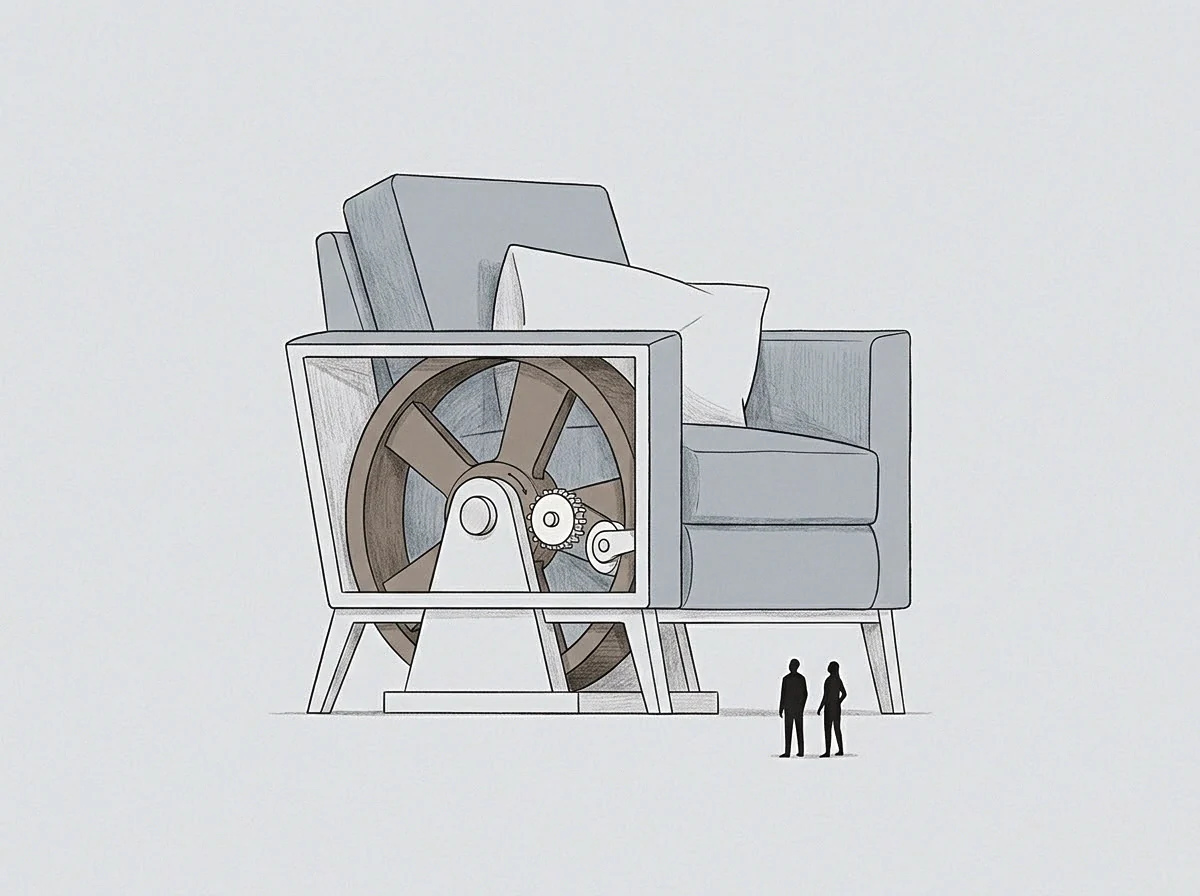
The Two That Run Alone
Narrative coherence is the first: the history told as one account, the good and the bad inside the same telling, the hard parts neither played down nor allowed to flood the rest. Reflective functioning is the second: holding what you lived through in view and knowing, in the same moment, that your view of it is partial. That second one is the asking I described in the column above, given a proper name.
Both get done sitting down, alone, in your own language, which is why they are the two a person can finish without anybody’s permission.
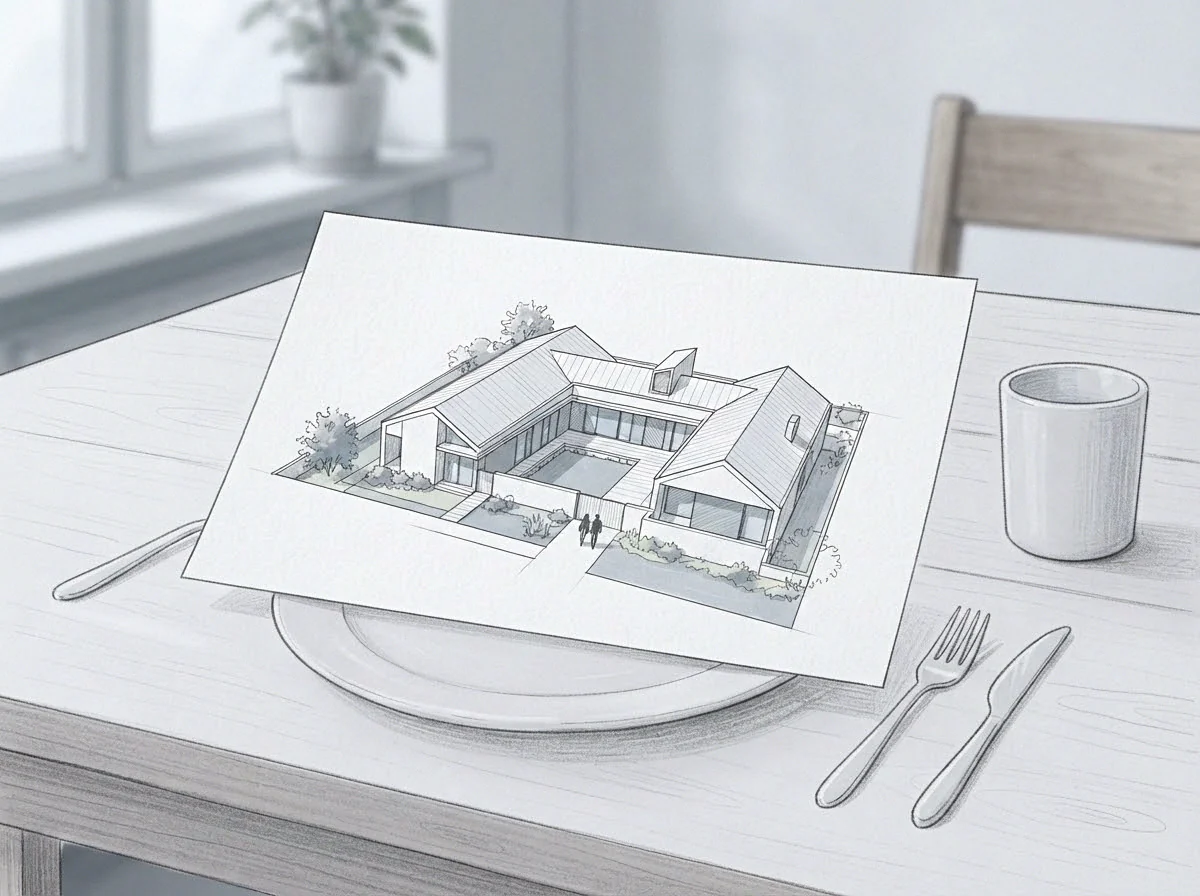
The Two That Need People
Corrective experience is the third: somebody, repeatedly, doing what the old expectation said would not be done. A contradicting signal, repeated, is the whole of the requirement, and what it moves first is the forecast and not the behaviour. Repair is the fourth, going back into a rupture with whoever it happened with, and nobody does that at a desk.
I took a sort out of those four, and the sort falls on the same line this note started from. Sitting down with my own language was the first two, and by this account that was real work and not a clever way of avoiding the real work, which I had half suspected it was. It is also the exact half a closed loop can run for ever without producing one unit of the other two.
About the work done alone the argument keeps its claim small and I like it better for that: knowing your own pattern explicitly lets a person answer on purpose where the reaction used to run by itself. A piece of the repair, a real piece, and no more than a piece.
I said earlier that the words were the only new thing that week, and I would rather correct that than keep a good line. The reflex fires as before: same trigger, same speed, same content. What is different is where I am standing when it fires.
Before the name I was inside it. The second opinion got asked for, the structure went up, and I found out afterwards that I had done it again. After the name the same reflex arrives and there is a moment in which I can see it for what it is, and carry it out or leave it.
In the record that moment is a decision point. The reflex used to happen to me. Now I execute it, or I do not.
Most times, under load, I still do. But it is me doing it, and that turned out to be a bigger item than I had taken it for, and a much smaller one than I thought I had paid for.
I got this wrong in one direction for a long stretch, and the cost is a quiet one. You take the decision point for the change. You stay at the desk, because the desk keeps paying out: another name, a finer one, and the relief that comes with each.
The reflex goes on being carried out on schedule, now with a complete description running alongside it. Inside, it reads as progress. From outside it is a person doing the same thing as before, with better words.
Room
I have run the second step properly once so far, prepared, in a room, and I did not come out with what I went in for. One run is not a supply of contradiction. It is one data point and I am reporting it as one.
- For a long time I had been waiting on a written term from the counterparty in an arrangement. It had been asked for and it had not arrived. Inside, the whole thing was named: what I wanted, what the waiting was doing to me, where my position was.
- I settled my position before I walked in. Everything I was willing to decide was already decided, so nothing said in that conversation could move a term. That left me free to be plain about what I did not know and about what the waiting had cost.
- The other seat held its shape. The written term did not arrive in that room, and nothing said there put a date on it. From that seat the name changed nothing.
- What moved was on my side. Somewhere past the middle of the conversation I noticed that I could function without the artifact. I had been braced against its absence as if the structure stood on it. The structure stood on other things. The artifact was not load-bearing.
I went out to test a claim about a pattern, and the test came back with a finding about my requirement. The pattern I had named is where it was. The counterparty is as before.
What changed is the list of what I need from that seat, which got shorter by one item, and that item had been holding most of the tension. This is the clause of the license I had not read. It does not only let you find out whether the named thing is still true.
It lets you find out which thing has to change, and that may not be the one you named.
Nothing was handed over in that room, and I left carrying less.
So the question about load-bearing equipment has an answer for exactly one object, and thinking about the object did not produce it. The other objects are where they were. I have not taken them into a room yet.
Weight
What happened is mine and it stands. The accounts of it are written down, they are history, and nobody gets to shorten them. The mistake I made with them was quieter than anything in them.
I read the history as a description of what I can carry now. That is an inference. I had been running it so long that it had stopped looking like one, and it sat under every estimate I made of myself.
Then a week arrived with a great deal in it, and I watched what I actually did. The forecast was wrong. Present capacity does not come off the history, it comes off the week, and the week only happens outside.
History has weight. It has no authority as a measurement.
You keep handing me your file, and I am looking at your week.