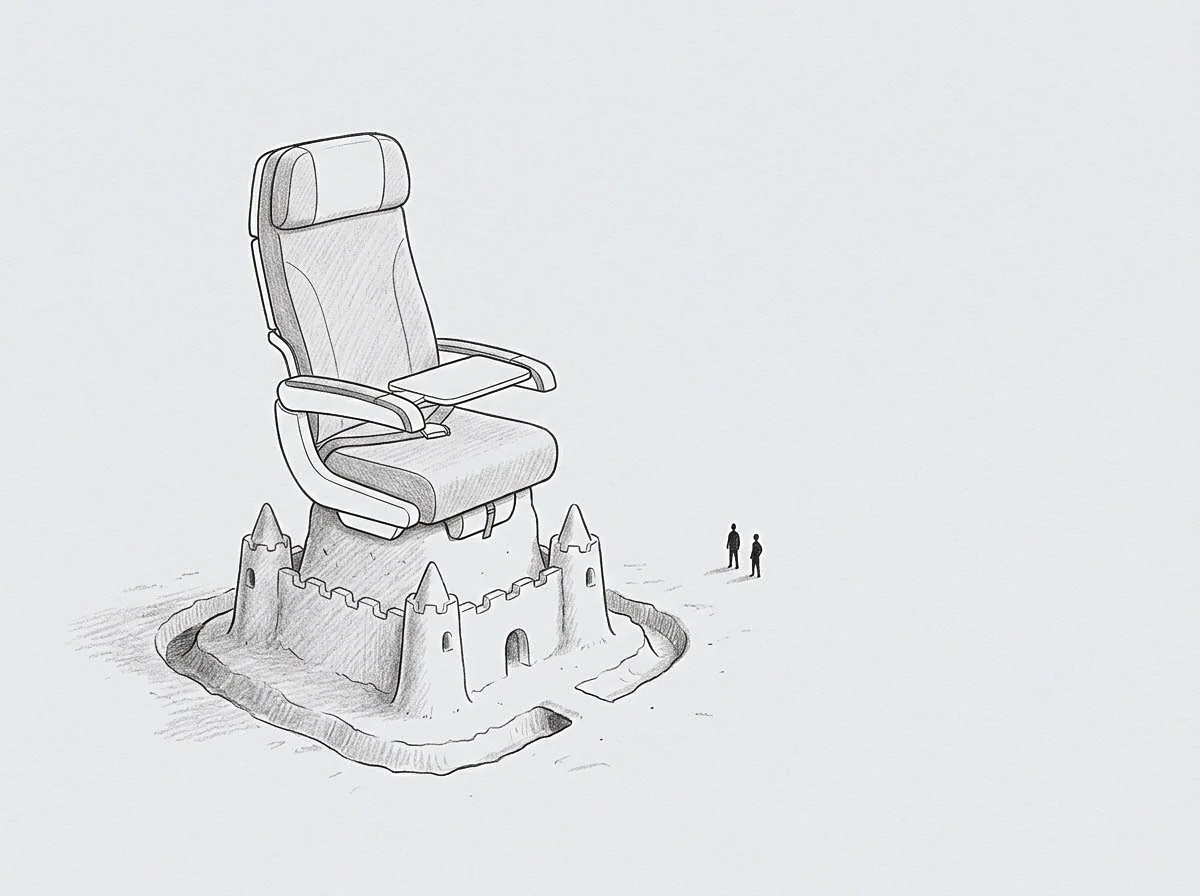
Meaning
Tracking the destination of logged hours provides an empirical record of where focus actually lands over a working cycle. The allocation direction captures the ratio between intended priorities and true time expenditure across held commitments. When recorded consistently, allocation direction reveals whether daily capacity is absorbed by external demands or directed toward deliberate priorities.
It sets a baseline for evaluating whether an operator remains in command of their schedule.
Realized Divergence
Written calendar entries frequently contradict stated plans once unexpected work friction intervenes. The allocation direction shifts under pressure as unbudgeted obligations displace scheduled deep work. This drift leaves behind measurable evidence in time logs and completed calendar blocks.
When an operator planned forty percent of weekly capacity for product refinement but expended eighty percent on client escalations, the recorded disparity marks the exact point of structural drift. Operators who track this variance can identify capacity drains before total bandwidth collapses. Without systematic logging, the shift stays hidden under the generic impression of a busy week.
Capacity Friction
Sustained deviation between planned and actual focus depletes energy reserve faster than heavy planned workload alone. When allocation direction favours reactive triage for consecutive weeks, capacity for long range development vanishes. The shift incurs an administrative toll because constant context switching costs attention.
Drift Penalty
Unchecked realignment of focus creates secondary costs across dependent commitments. When allocation direction remains undocumented, an operator loses the ability to diagnose why critical non-urgent initiatives stalled.