Meaning
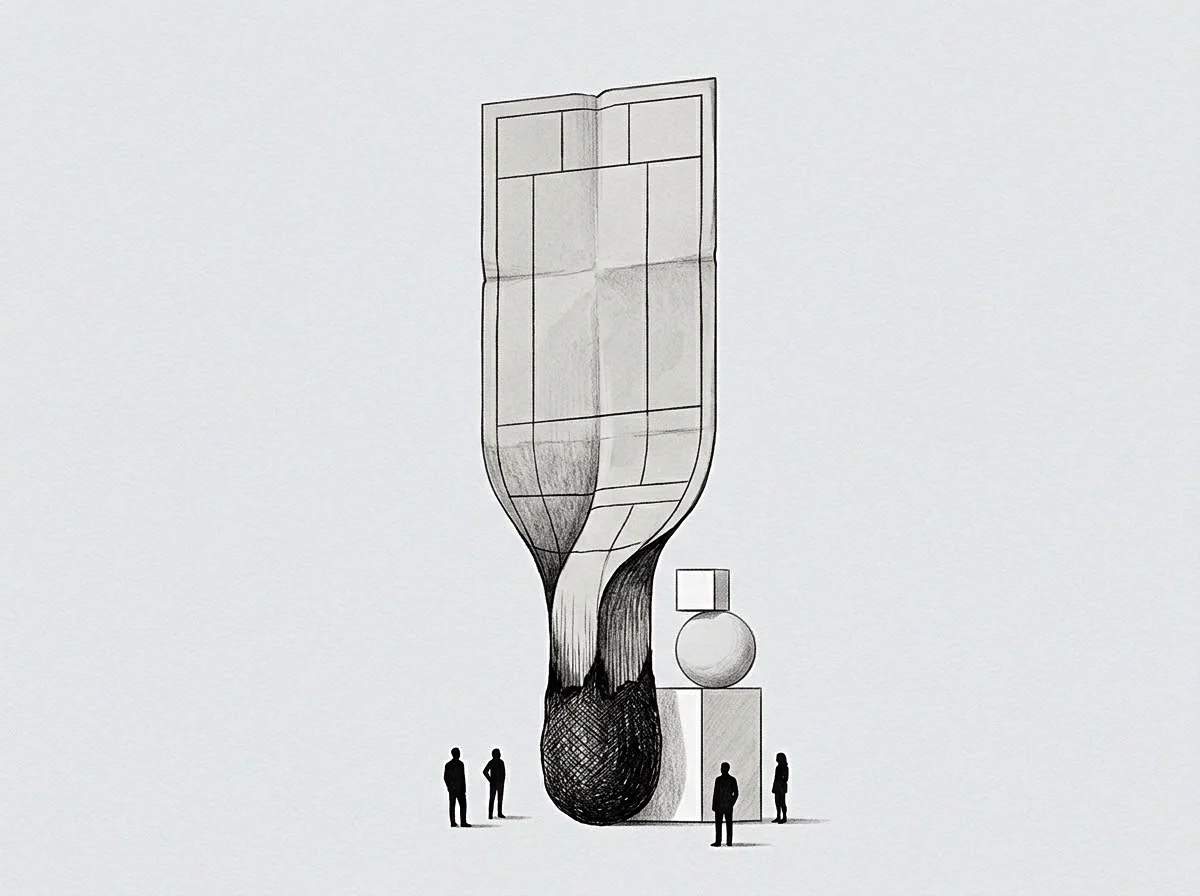
Adaptive physiological regulation achieves stability through active change rather than static retention. This biological process of allostasis requires the operator to adjust internal settings to meet variable environmental demands. Unlike static equilibrium, this mechanism shifts cardiovascular and metabolic baselines to manage anticipated challenges.
The capacity of a founder to sustain this active adjustment governs how long a seat remains viable before the cost of adaptation exceeds the resources of the individual.
Metabolic Demand
Price measurements for biological adaptation run on a cardinal scale of energy expenditure. During prolonged periods of high pressure, allostasis drives the consumption of glycogen and neurological resources at rates far exceeding normal baseline levels. The operator pays this toll in hours of sleep and cognitive focus.
It represents a continuous expenditure that cannot be deferred or settled with monetary capital.
Wear Gradient
Physiological degradation proceeds along an ordinal vector where the most vulnerable systems fail first. Prolonged allostasis leads to a decline in cardiovascular elasticity and immune function. This wear occurs silently, showing no external sign until a threshold is crossed.
The arrangement of the work dictates how much of this load is shifted onto the partner or the client.
System Stability
Recovery requires a deliberate reduction in the variety and intensity of environmental demands. When these inputs remain constant, the system loses its ability to return to its original baseline. This structural failure restricts the hours the founder can hold the seat.
The baseline remains permanently elevated, locking the person into a state of chronic preparation for threat.