
The slot, not the project
A ceiling counted in projects is the wrong unit for a founder. The ceiling is counted in slots, and one slot does not hold a task. It holds a whole system, with its logic, its dependencies and the person attached to it. Past the fourth, the wear has a name, and the name is forty years old.
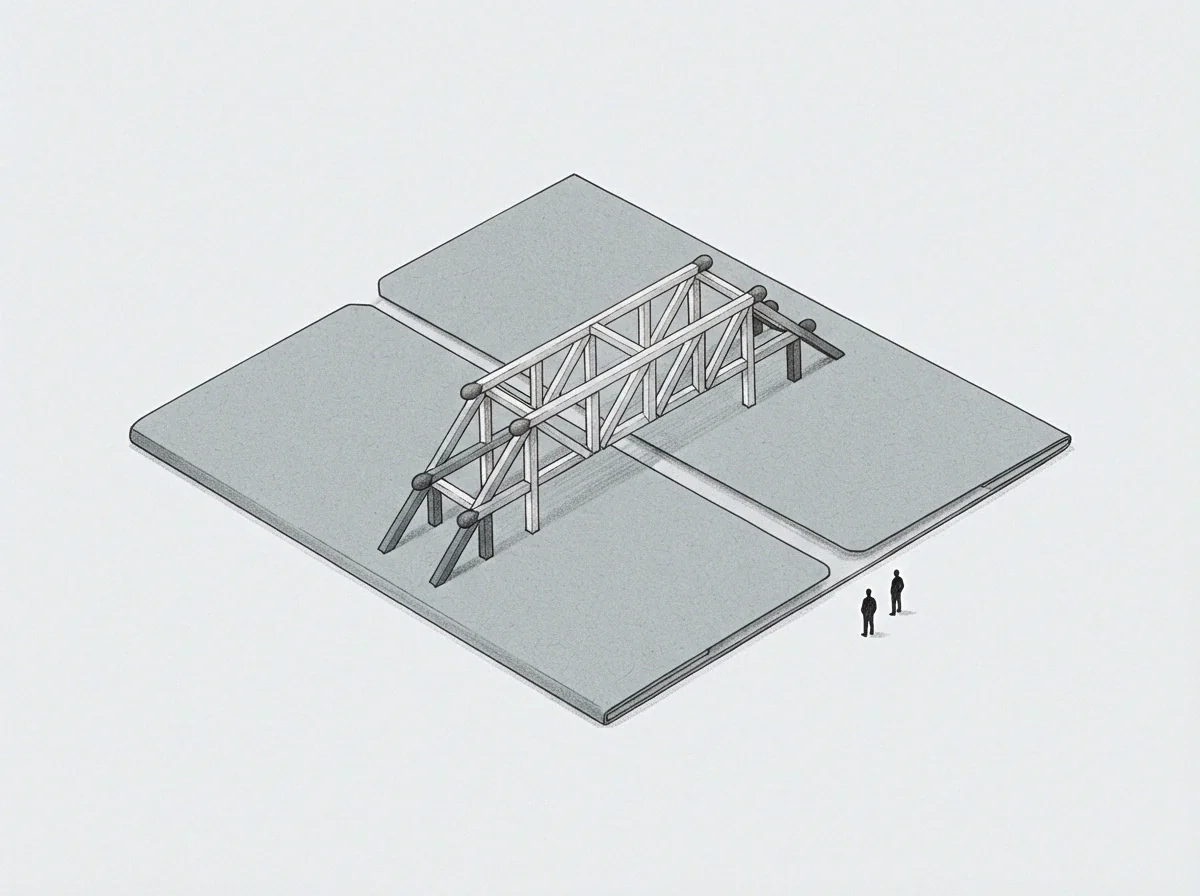
Slot
Four. That is the ceiling.
Not four projects. Four slots. The distinction sounds like nothing and it is the whole thing.
A project is what other people count. How many things are you on. The answer looks manageable, because a project sounds like a task, and a task fits in a day.
A slot is what actually fills. Almost everyone has about four of them; the number is unremarkable. What differs is what goes in one.
A normal person’s slot holds a task: the thing to do, done, next. Mine holds the system the task belongs to. When something enters my attention it does not enter as an item.
It arrives with its internal logic, its dependencies, its timeline, the person attached to it, a running prediction of that person’s behaviour, and a map of what happens downstream under three or four different futures. I do not choose to build that. It assembles itself on contact.
So one slot is not a line on a list. One slot is a live simulation with a person inside it, kept warm.
So the word is slot, and a slot is a unit of held complexity, not a unit of work. Three or four things in hand should be nothing. But they are not three things.
They are three worlds, each running continuously, each updating whenever new information arrives, and the wall arrives at the same count as everyone else’s while the weight behind it is several times greater.
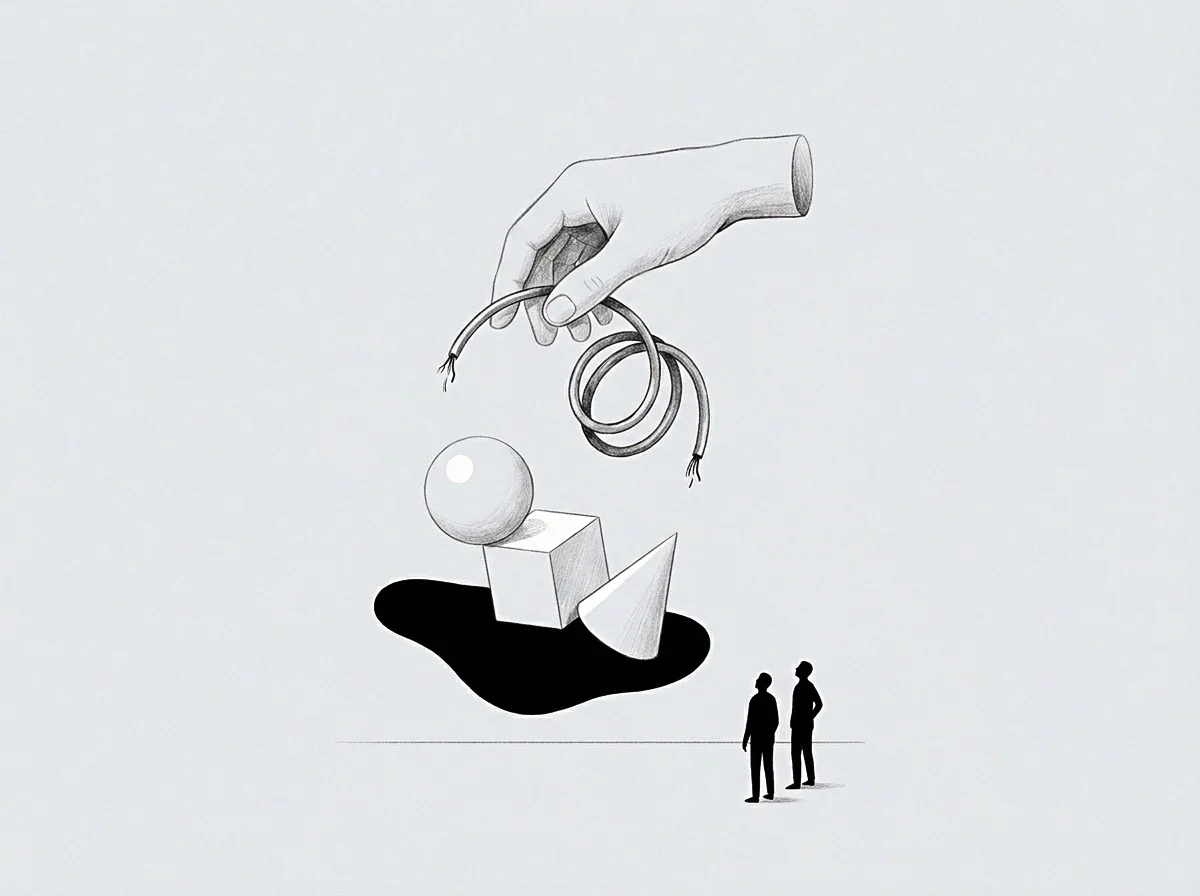
System
Inside the ceiling, everything works. Three or four open threads and I can hold full systems thinking on each one and deliver on each one. The dependencies stay mapped.
The people stay modelled. Nothing drops.
Past four, throttling begins, and it does not begin gradually. Slots are not partially fillable. A world does not compress into half a slot.
So one project alone goes beautifully, two go well, three strain, and at five everything degrades at once and you cannot tell which one caused it, because none of them did. The count did. A founder who says yes to a small thing is not adding a small thing.
He is opening a slot, and the slot fills to the size of the system, whatever the size of the ask.
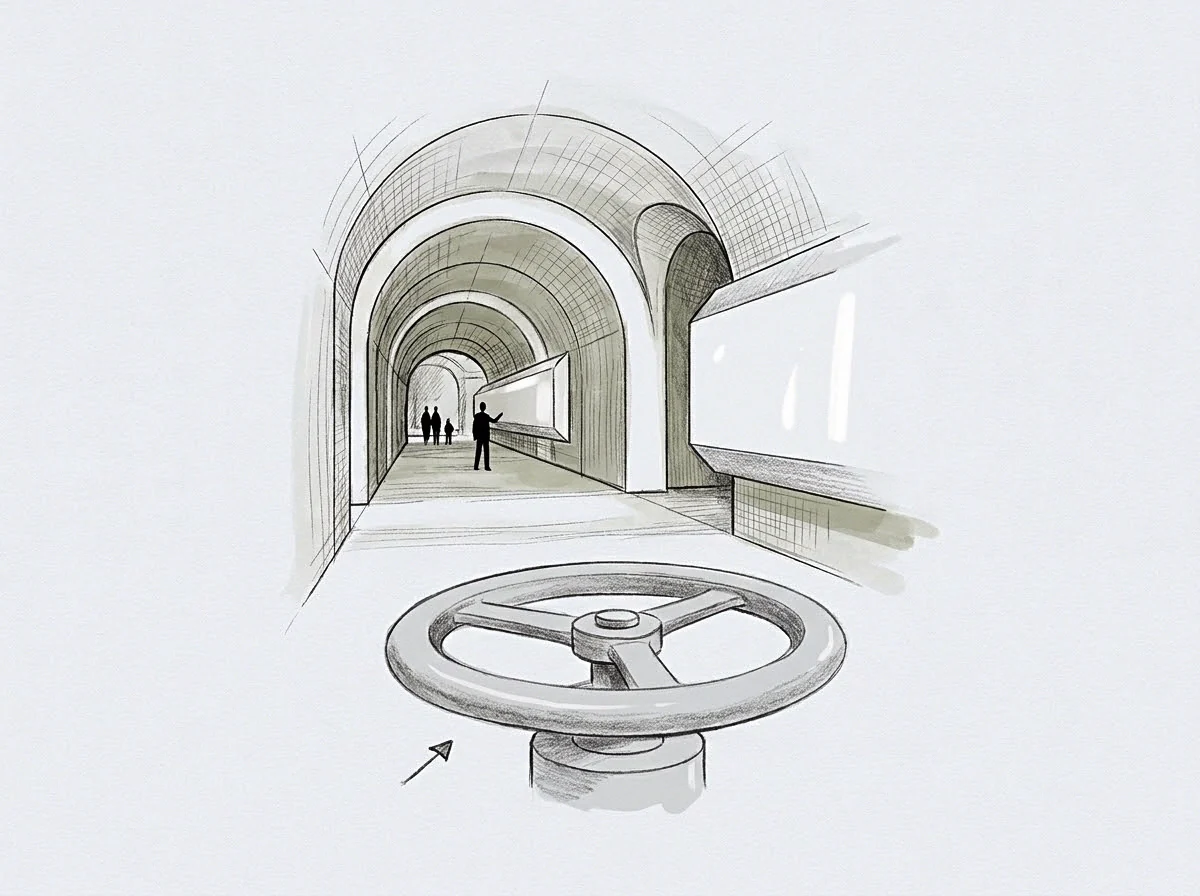
Handing It Over
The obvious cure is to give work away, and for years I could not understand why that made my head heavier rather than lighter. The reason is mechanical. The slot was never holding the execution.
It was holding the model. When a job is mine, the slot contains one component: doing it. When I hand it to someone reliable, the slot empties, because my prediction of them is stable and a stable prediction costs nothing to maintain.
When I hand it to someone unreliable, the slot now holds three components instead of one: a live prediction of whether they will act, a simulation of the damage if they do not, and a contingency plan I will personally have to run. Execution was perhaps a third of the original weight. I gave away the third and kept the other two thirds, and then added continuous monitoring on top.
Delegation to an unreliable counterparty is not a saving. It is a net increase in load, and the reminding that follows is not nagging. It is an attempt to force the loop closed so the simulation can stop.
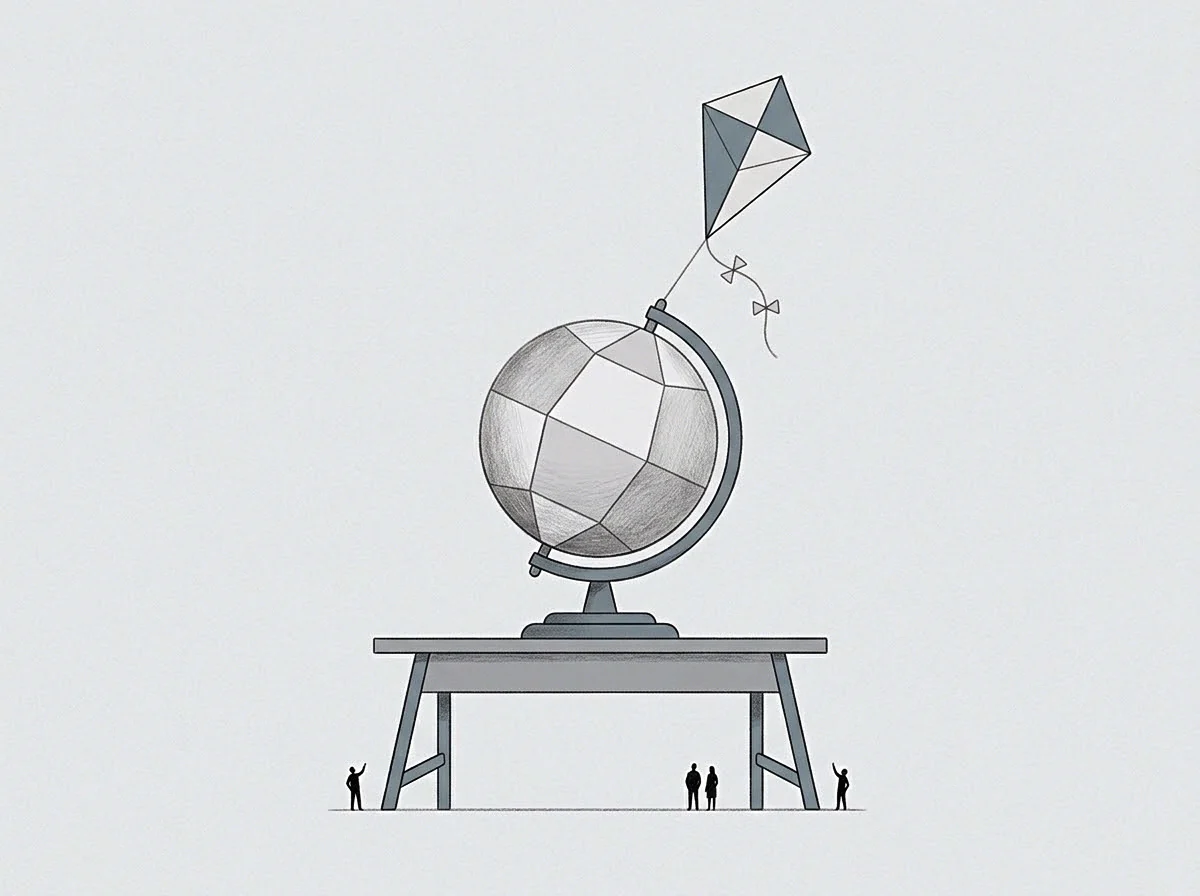
What Empties a Slot
Not completion. Not delegation. Not deciding to stop thinking about it.
A slot empties when the loop has a resolution path I can execute alone: a date, a fallback, and the fallback belonging entirely to me. If the fallback needs their cooperation, the monitoring stays live and the slot stays full, however firmly I have told myself the matter is closed. The test is one sentence.
If they never move at all, do I know exactly what I do, and can I do it without them.
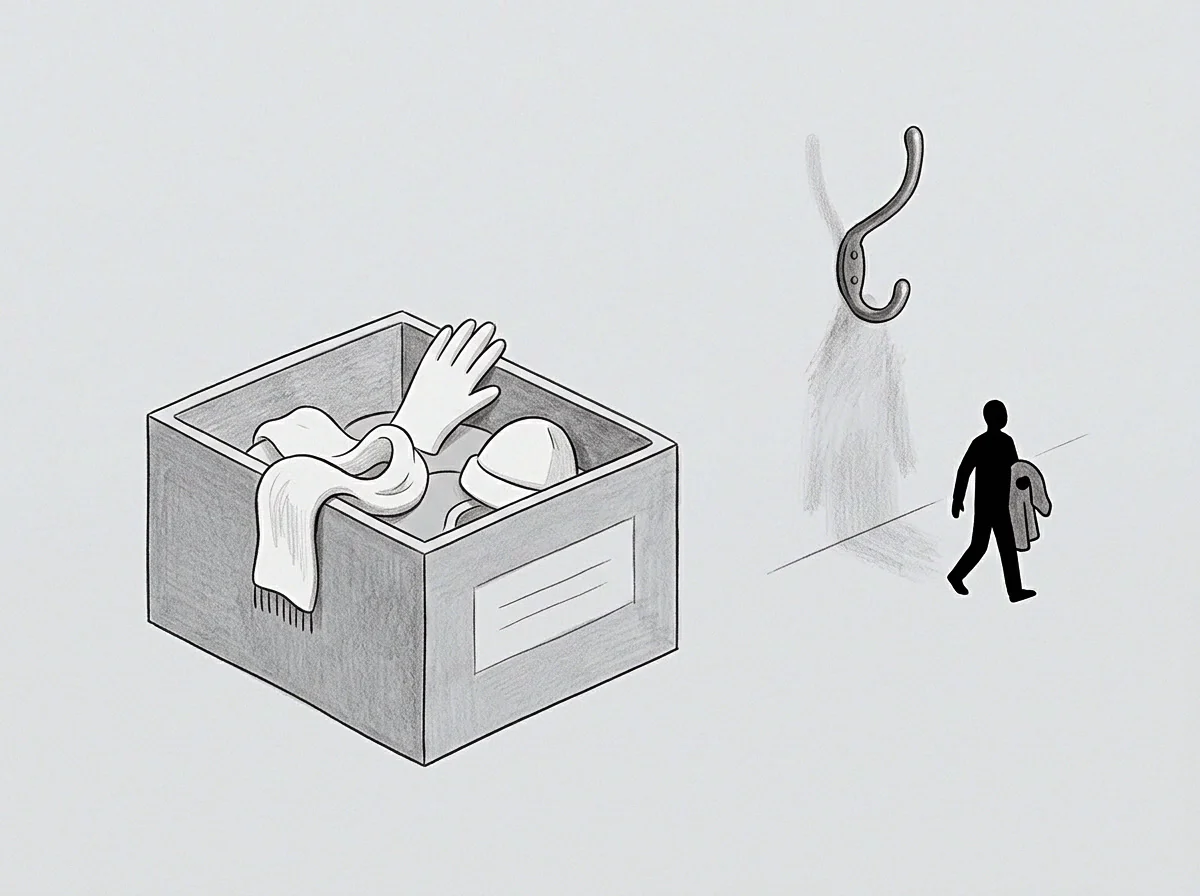
The Expensive Person
Consistent people are cheap to model. You build the model once and it holds. Inconsistent people force permanent rebuilding, because each new data point contradicts the previous one, and a model that never stabilises never stops consuming.
A person who is genuinely two things, and you cannot know which one walks through the door on Friday, costs more than any project. That is why a founder can have one live piece of work and still be at the ceiling: the other three slots are people who cannot be closed from his side.
The rule, and it has no number in it because the number is already known: count the slots, never the projects.
Load
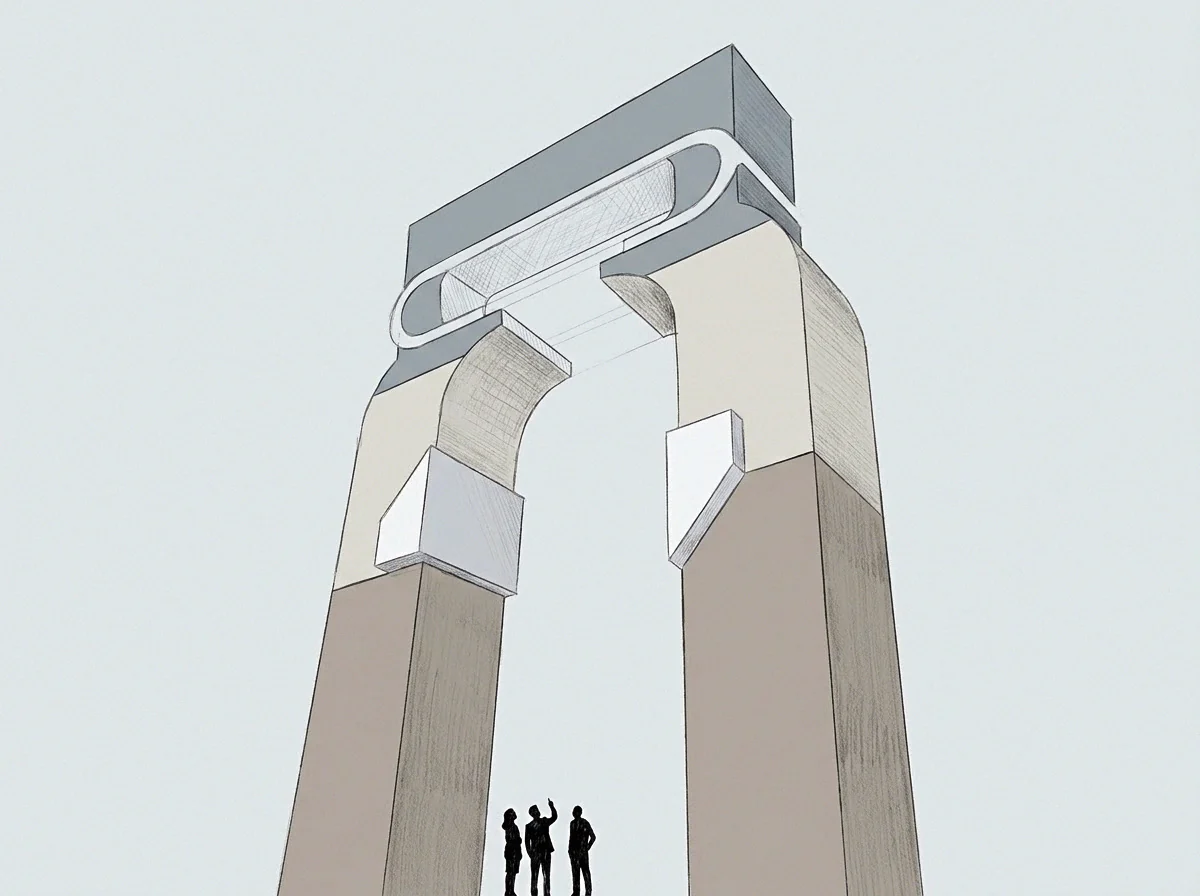
There is a name for what running past the ceiling does to a body, and it is worth having, because the name is the difference between a condition and a mechanism.
The older word in physiology is homeostasis, Walter Cannon’s term from the 1920s: same-standing, stability by returning to a fixed set point. Body temperature is the textbook case. In 1988 Peter Sterling and Joseph Eyer proposed a correction and called it allostasis, from the Greek for other and standing: stability through variation.
A homeostatic system holds a constant. An allostatic system holds a target that itself moves, raising the set point to meet demand instead of returning to the old one. Blood pressure that stays high because the day keeps demanding it is allostasis working as designed.
Then in 1993 Bruce McEwen, a neuroendocrinologist at Rockefeller University, extended the idea to its cost and called that allostatic load: the cumulative wear on a system from maintaining allostasis under sustained demand. The set point keeps moving to meet pressure and never gets to settle, and the moving is what wears. McEwen also named the end of the road, allostatic overload, where the load exceeds capacity and regulation itself degrades.
Medicine has used the concept since to explain why chronic strain damages bodies that never had a single acute event: nothing broke, the target just never came back down.
I had described my own baseline as a zero point that shifts whenever I extend capacity, years before I had the word for it. That is allostasis by construction. And what I had been calling the throttle is allostatic load approaching its ceiling: the direct wear of running regulation for other people continuously, on top of my own, with the set point moving to meet their demand.
My own word for it is plainer than McEwen’s. It is the cost of holding other people’s slots.
It shows in a fixed order, and it shows in the body before the mind narrates it. First the throttle. Then the body dropping.
Then the hours that run on past the middle of the night without any signal that they should end, because the thing that would send the signal is the thing that is being spent.
That is what the wrong unit costs. Not tiredness. Tiredness ends with sleep.
This is the set point moving, and a set point that has moved does not come back because you rested. It comes back when the slots close.