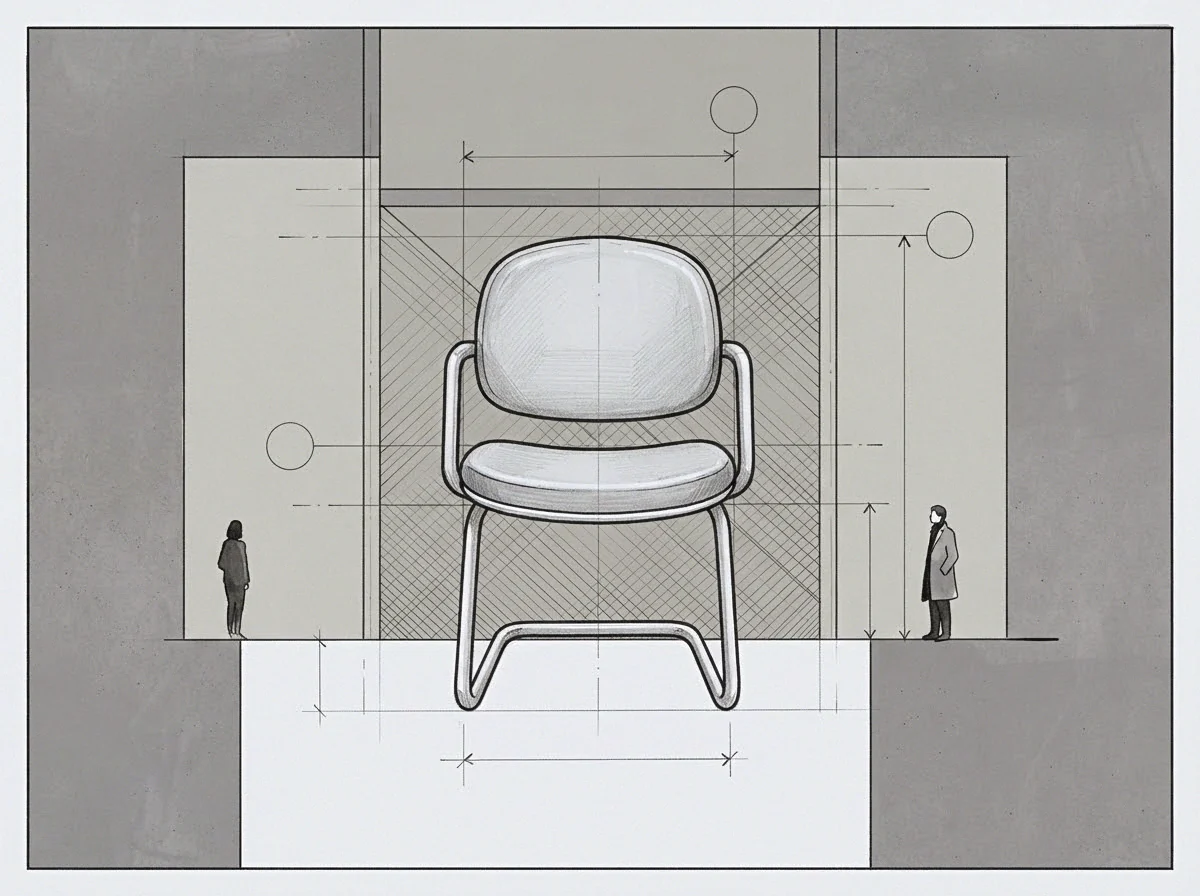
Meaning
Psychological accommodation in commercial transactions occurs when an operator constantly projects the unexpressed preferences of a counterpart to prevent friction. Through the habit of anticipatory empathy, a person alters deliverables and pricing before any formal request is made. This practice arises from an acute sensitivity to the perceived dissatisfaction of the client.
It halts the normal negotiation process by resolving objections that have not been raised.
Cognitive Prototyping
Speculative modeling of partner reactions consumes hours of mental capacity. The operator constructs detailed simulations of client responses to identify points of resistance. This continuous simulation runs silently behind every business decision.
Response Fatigue
Over time, the constant adjustments required by this projection deplete the energy of the person holding the seat. This person begins to experience a quiet resentment toward the partner who has requested nothing but receives everything. The work becomes heavy because it is designed to satisfy an imagined standard that is never validated.
Because the counterpart is unaware of this internal effort, no recognition is offered to restore the builder’s reserves.
Systemic Cost
The final effect of this behavior is the erosion of sustainable terms. It establishes a precedent of over-delivery that cannot be maintained over several years. Partners learn to expect a level of accommodation that is structurally unviable, ensuring the arrangement must eventually collapse under its own weight.