
Behind the curtain
I built a life where the work stands in the light and I stand behind it, and the only power that spot ever gave me was the power to stop supplying. What took me longer to see is that nobody put me back there.
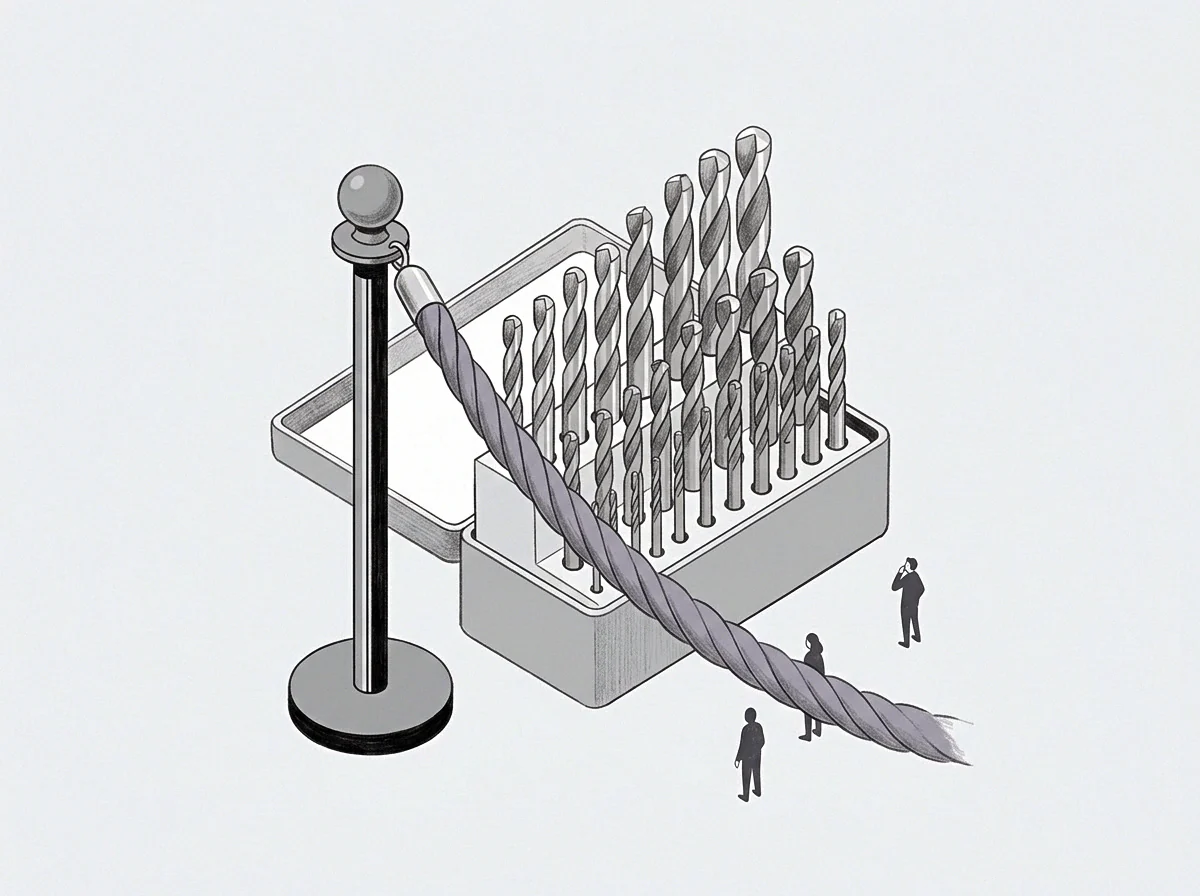
Curtain
An ordinary day, and there is nothing in it. I made my own coffee. Money moved that week under terms I had written myself, on a schedule nobody else set, and the whole of the event was a number arriving where it was supposed to arrive while I was somewhere else, sitting down, with somebody I trust, doing nothing that would go into a report.
A season before that, almost none of it existed. The money moved through hands that were not mine, and the days were spoken for.
I replaced nearly all of it in the months when the people around me were busy being weather.
Nothing loud built any of it. Loud is what gets remembered, and it gets remembered for being loud, not for doing anything. What did the building was invoices and a schedule and a hundred small repeated acts, and a life worth having is made out of that material and no other.
A quiet week is not a small week, it is a week the loud things did not get to name.
The second thing in that day took me much longer to see. None of it carries my name anywhere a stranger could find it. The work is out in the light where people can use it, I am standing behind the work, and I have been standing in that position since long before there was any work to stand behind.
I did not end up here. I chose the seat, and I built the room around it, knowing exactly where I was standing while I built.
Function
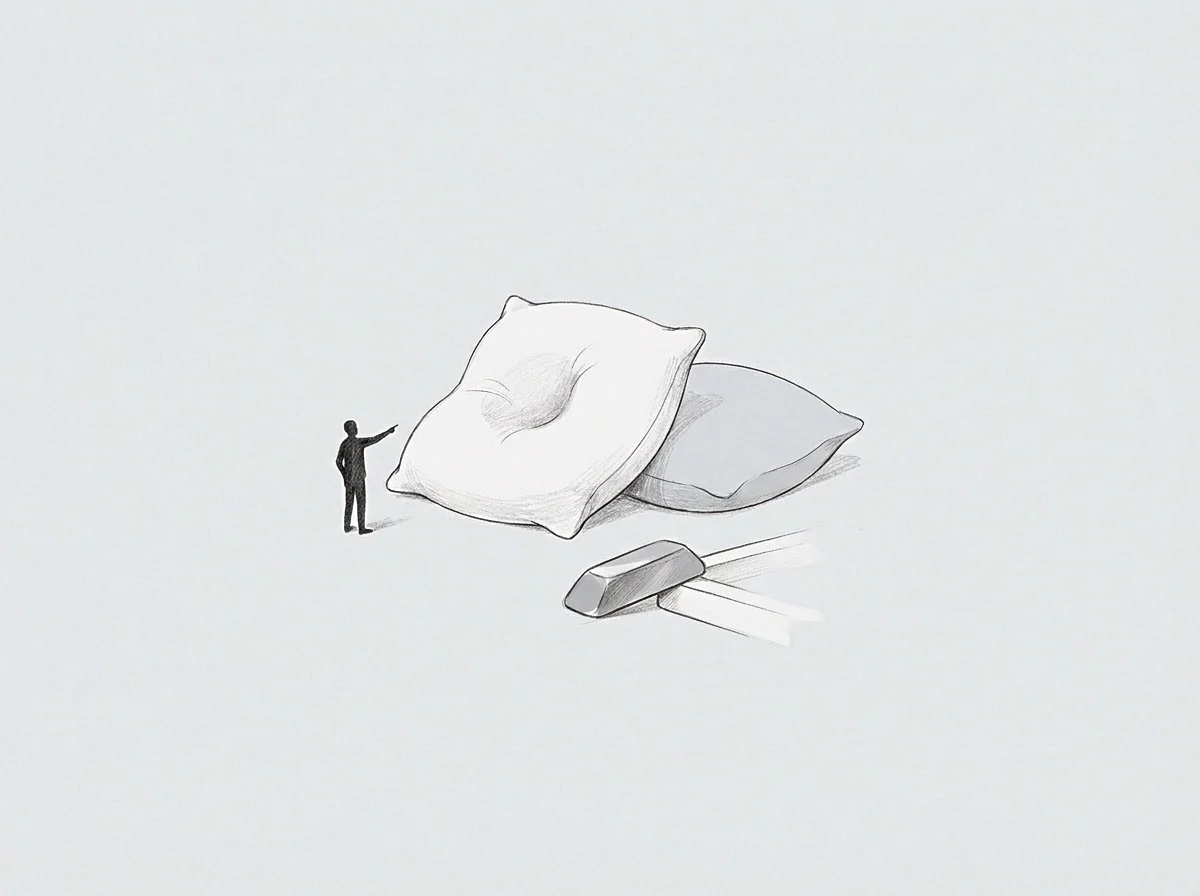
The shape is old, older than any arrangement I have signed. A child who reads a room before he can spell it, who moves early, keeps the temperature down, sees who is about to start something and heads it off. He is not unloved.
He is also not looked at, because there is nothing there to look at, there is only a job being done well by somebody small.
What A Function Buys
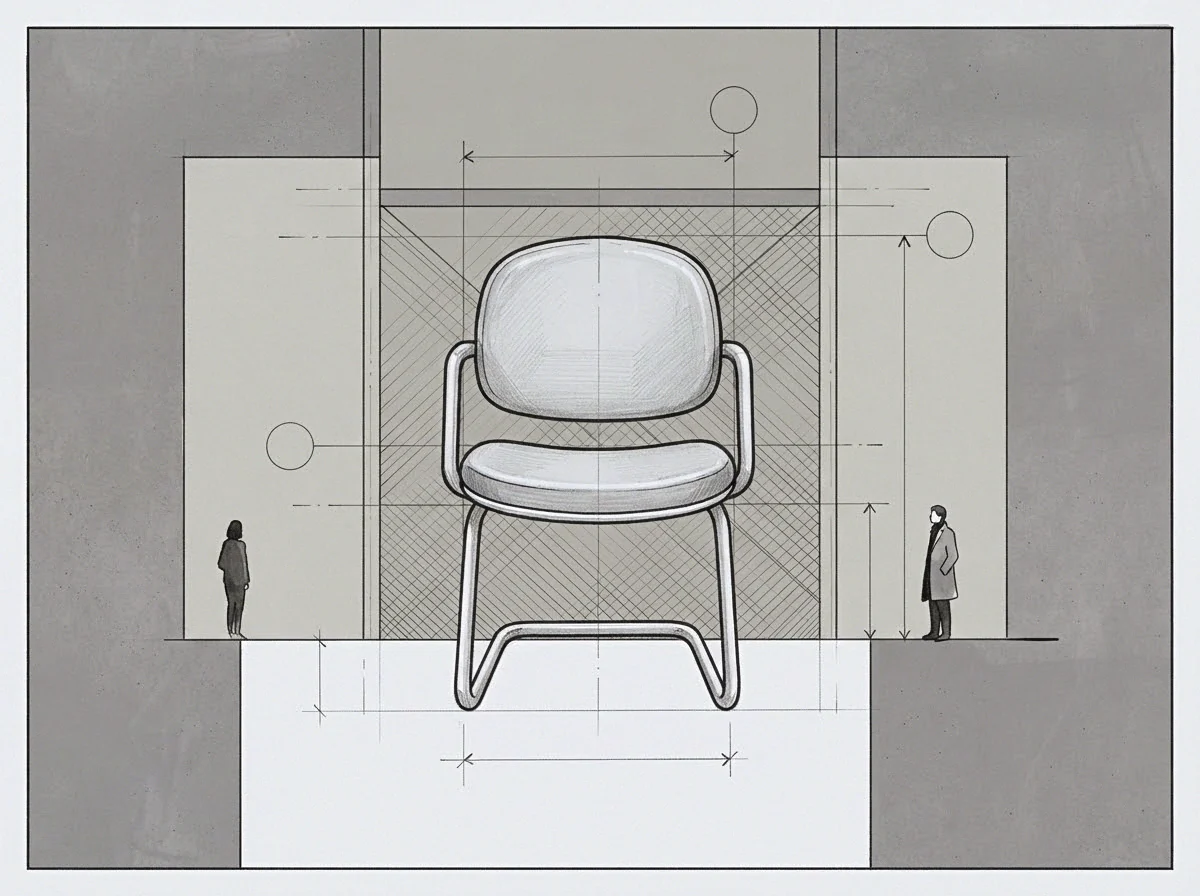
The plain word for what I do is provision. I supply. Whatever a room is running short of, I am already making more of it before anybody has to ask, and I do not look at what comes back.
I wear generosity’s coat and what is under it is not generous. A person is generous when he is full, and he can stop and nothing falls over. A person who supplies is holding a position, and he holds it so the room stays standing, and whoever holds that position learns the same lesson in every room he walks into after that: his value sits in his function, not in his presence.
Nobody has ever thanked me for a thing that did not happen.
The Trade A Child Makes
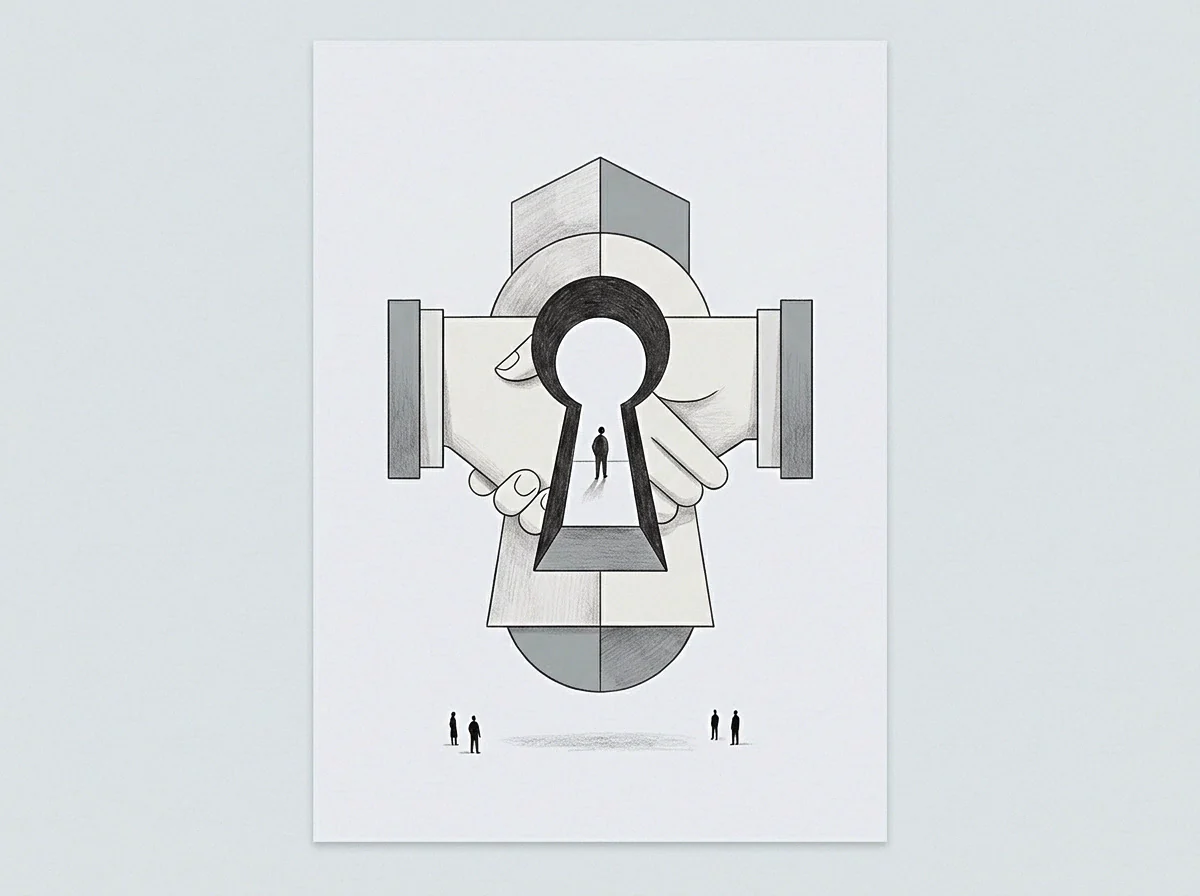
Somebody who is needed cannot be sent away. Wanted is a decision another person makes about you, in their own time, for reasons you cannot see and cannot work on. Needed is a fact about the structure: pull the function out and things stop, so the function stays, so you stay.
If your existence has ever felt like something that has to be justified, you can see why a child takes that trade and keeps taking it for years after nobody is making him. It is a good trade. It works.
No one has to look at you for it to work. That is what recommends it, and that is what you pay for it.
Run it well and you are indispensable everywhere you go. Run it wrong and the wrong is hard to spot, because it does not look like failing at anything: a lot of value made, the person who made it kept out of the frame, recognition moved to a date that keeps moving. It comes out of energy first and then out of acuity.
You lose the ability to tell a room that values you from a room that has simply not yet had to do without you.
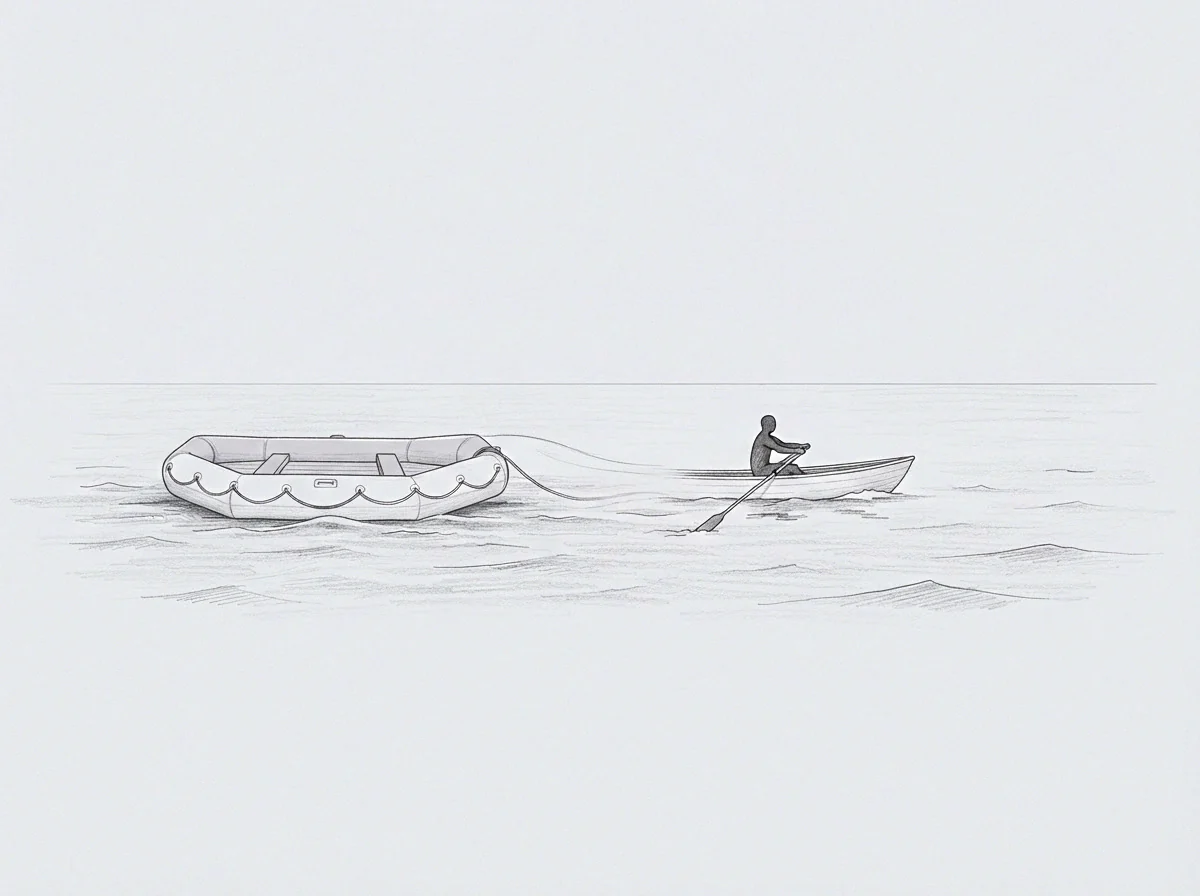
Seat
The shape has a name in the research and I did not go looking for it. Somebody put the reading in front of me and I recognised the furniture in it. The word is parentification: a child in a home the adults cannot hold steady gets moved onto the staff of it, the one who holds the temperature down and gets told the things nobody tells a child.
Gregory Jurkovic wrote the standard book on it, and the literature under it is large and dull and consistent, which is what you want from a literature. What it predicts about that child grown is not vague. Worth welded to usefulness.
Responsibility for the state of any room he walks into, picked up before anybody hands it over. His own needs filed under later, permanently. And an ease inside the helping seat that no other position in his life comes near, because it was the one that came with safety attached.
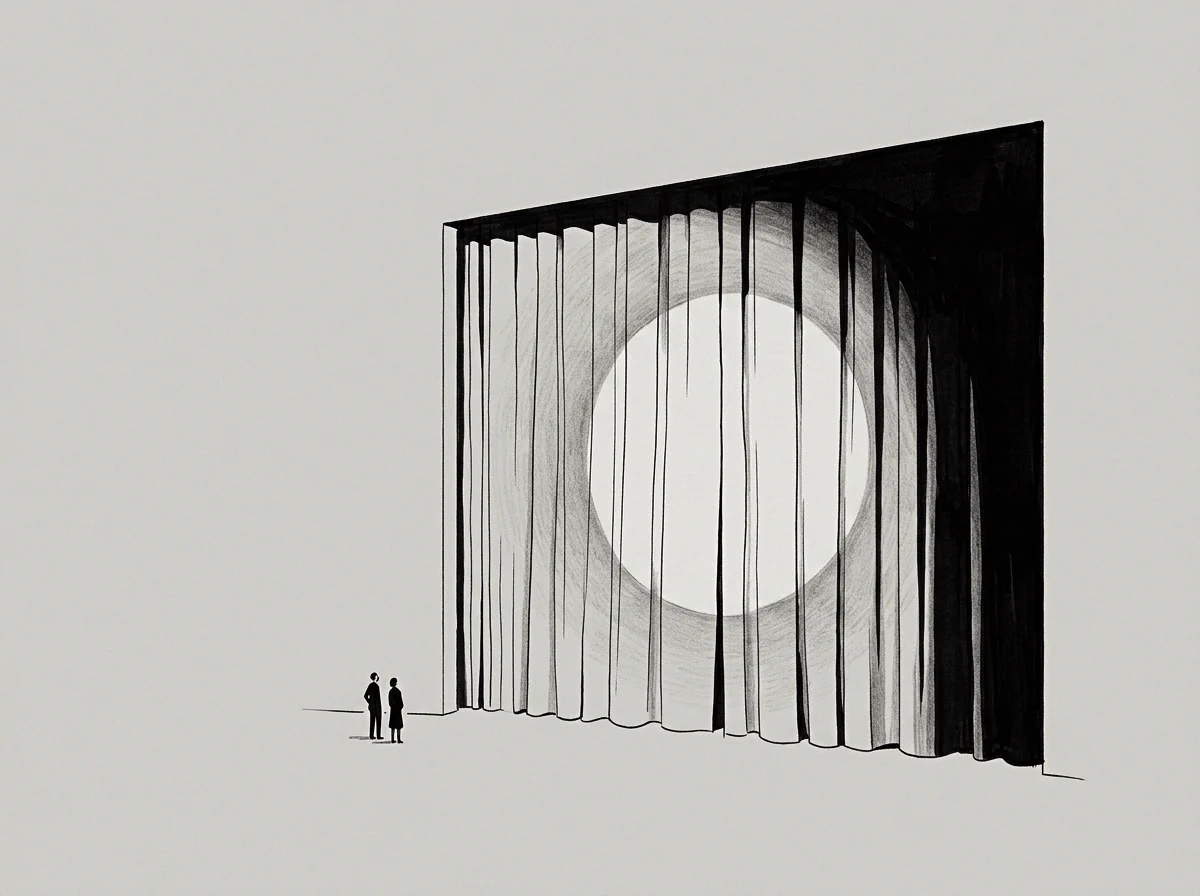
What The Skill Costs To Run
Children in homes that do not hold still read mood and threat better than other children do, and the work is plain that this is a skill built under load, not a temperament somebody was born with. Mine matured into one specific thing: reading a state in a room and meeting it before a word has been said about it. I made a profession out of that.
The first cost of running it is that provision at that speed cannot produce recognition, and this is structural, not a comment on anybody’s manners. A need met before it is spoken is a need that never happened to anybody except the person who met it. Nothing was missing.
Nothing got fixed.
The better the reading, the less there is in the room for anyone to be grateful for.
The second cost is the receiver itself. The same instrument that reads a person also takes on what that person is carrying, so an hour beside somebody in a bad state costs energy with not one word exchanged.
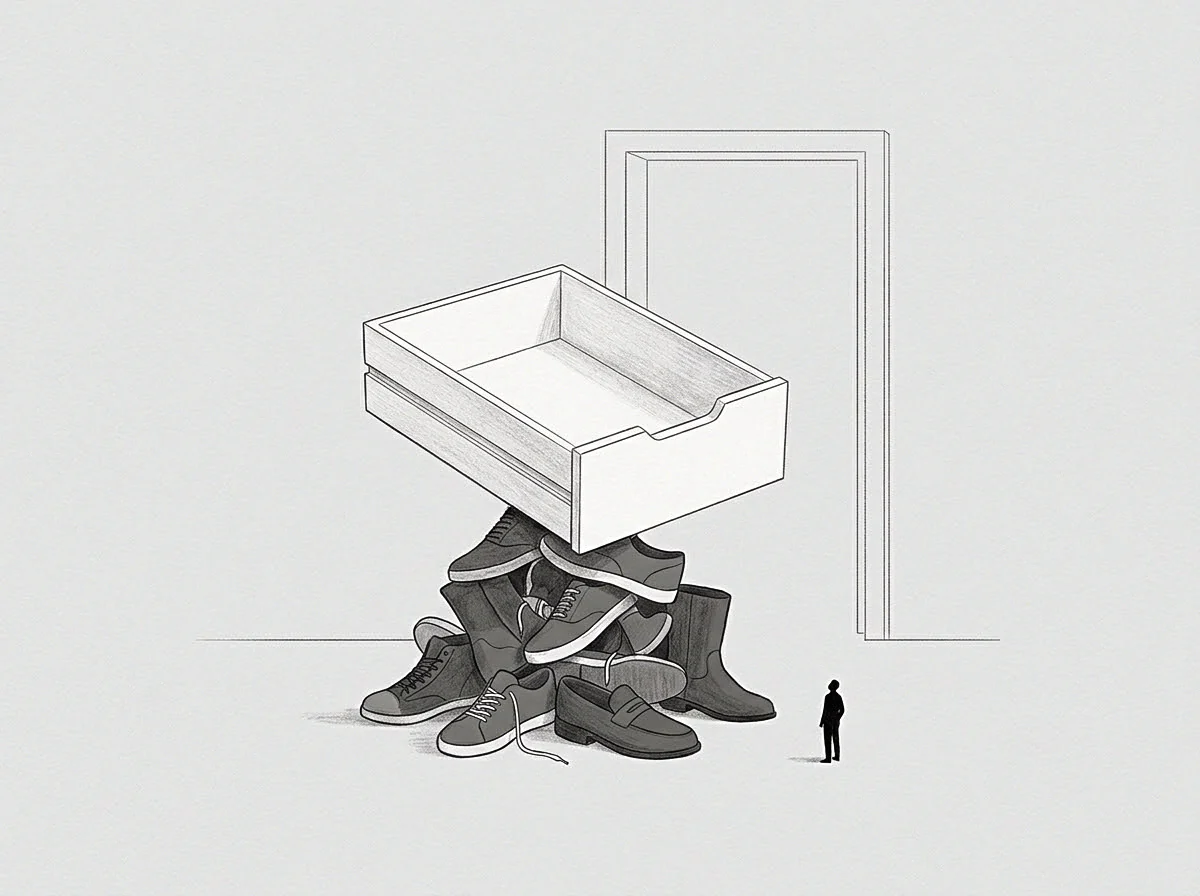
The Part That Keeps Itself True
The template underneath has a name too. Schema therapy calls it conditional worth, and Jeffrey Young’s two words for the halves of it are exact enough to keep: emotional deprivation, meaning a person stops putting his needs out because he has learned they do not get met, and self-sacrifice, meaning everybody else goes first and there is guilt attached when it is him.
The part that is not comfortable is the loop. A person who supplies that completely leaves no room in the arrangement for anybody to supply anything back, and then reads the empty side as proof that nobody does. Both halves are true at the same time, and holding both took me longer than anything else on this list: the reciprocity genuinely did not arrive, and I had built a position with nowhere for it to land.
The person who supplies also does the sorting at the front, and does not experience it as sorting. What you supply gets read back to you as wanting you. What is not tied to supply does not get read at all, or gets read as a mistake somebody is about to correct.
Dana Jack came at the same machinery from the other end, at what her research calls silencing the self: a person who keeps his own voice out of the bond he most wants to keep. The loop she set down is the one I ran for a long time with no name for it. I would put a thing I needed into a room once, in the ordinary voice, and if it did not land I let it go rather than press, because pressing put the bond at risk and the bond was worth more to me than the thing.
Nothing I let go of stayed let go. It came back out sideways, in the wrong room, at a person who had not earned it, as an edge nobody saw coming. Run that long enough and what wears out is not the need.
It is the appetite for anything. Her people came out flat and unrecognisable to themselves, and I know that ending from inside, from a stretch of years where I worked and stopped liking the things I used to like.
Provision is the word I keep for all of this, and what the reading gave me was the reason it cannot pay. Run it well and it disappears. Run it badly and somebody finally notices there was a job being done.
There is no version that is both done well and visible, and that is not a complaint about people, it is the arithmetic of the position. What it cost me to find that true was a story I was fond of, that I give because I am generous. That story is not the engine.
And the reading bought me nothing operational for a long season after I accepted it. Naming a seat is not vacating it.
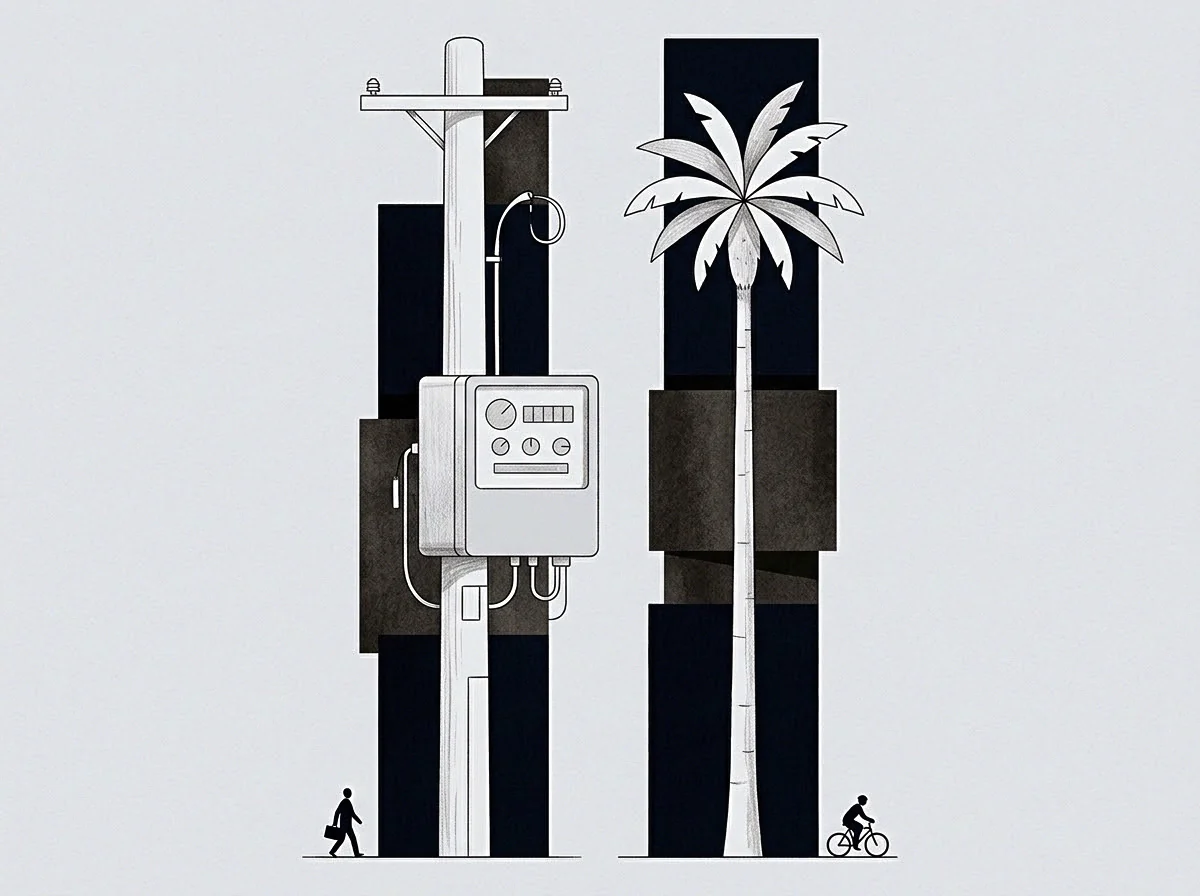
Withdrawal
There is one lever in this position and it is not a good one.
Leave. Go quiet. Take the function out of the room and let the room find out what it was made of.
It is the only move available from behind the curtain that produces a response, and it produces one every time, which is exactly what makes it dangerous. Everything else I do is invisible by design. This one is not.
People don’t see me, and only when I disappear they climb back.
It is also why the lever is the size it is. The small instruments were retired years before: a need said once and not received does not get said twice, and after enough of that there is nothing left in the middle of the range. Between supplying and going there is no third setting.
So the correction, when it comes, comes at full size, and from the outside it looks like something snapped, when what happened is that every smaller move had been taken off the board a long time earlier. What I hold to now is the inversion of it. If I have to scream it, I left before I opened my mouth.
The arrangement I was half of ran on that shape for years. I built the operation, the partner held the front, and the visible half was his by agreement, which I have to be fair about, because I agreed to it in daylight and nobody took anything from me in the dark. I did the work, I let it go out under a face that was not mine, and then I waited to be recognised for it inside an arrangement whose terms said plainly that no recognition was owed.
I stayed because I had decided a long time before what I was not going to be, and a person who leaves was on that list. That is the trap in its finished form: the position produces no recognition while it is running, and the only instrument it hands you for getting any is to stop running it, and stopping costs you the thing you were being recognised for.
The move does two jobs at once and they are easy to mistake for each other. One of them is clean. The radar reads a draining position and gets the person out before he is scraped down to nothing, and that reading is usually right, and mine I trust completely.
The other one is old. Leave, so they look. It is the one tool a person behind the curtain has ever had for being seen, and it works for about a week.
The shape repeats. Same position every time, whoever else was standing there: the value goes out, the person who made it stays off the front of it, and the recognition is scheduled for a later that does not come. In an arrangement it looks like a split.
With the people who buy the work it looks like a maker they have never met.
The one that gave me away had nobody else in it. I sat down on my own, with nothing forced on me by anybody, and built a thing so that it would run beautifully with its maker kept off the front of it. That is not a decision I get to hand to a partner or a client.
That is the seat choosing itself, in a room with one person in it.
The second job cannot finish. Withdrawal buys a burst of visibility at the moment the supply stops, and then the supply is gone, and the thing it was running through is gone with it, and the person is somewhere else, starting from the same position, with the same instrument in his hand. You supply until there is nothing left, you register that nobody looked at you while you did it, and you leave so that somebody finally does.
There is a queue of people to do that with, and no one of them is the one who fixes it, because the shape was never about which person was standing on the other side of it. It follows you at whatever speed you move.
So the thing I have not settled is which of the two jobs lifted my hand when I finally stopped. I know which answer I would prefer. I also know that I checked, more than once, whether it had been noticed yet, and somebody getting out cleanly does not check.
Which one was I in?
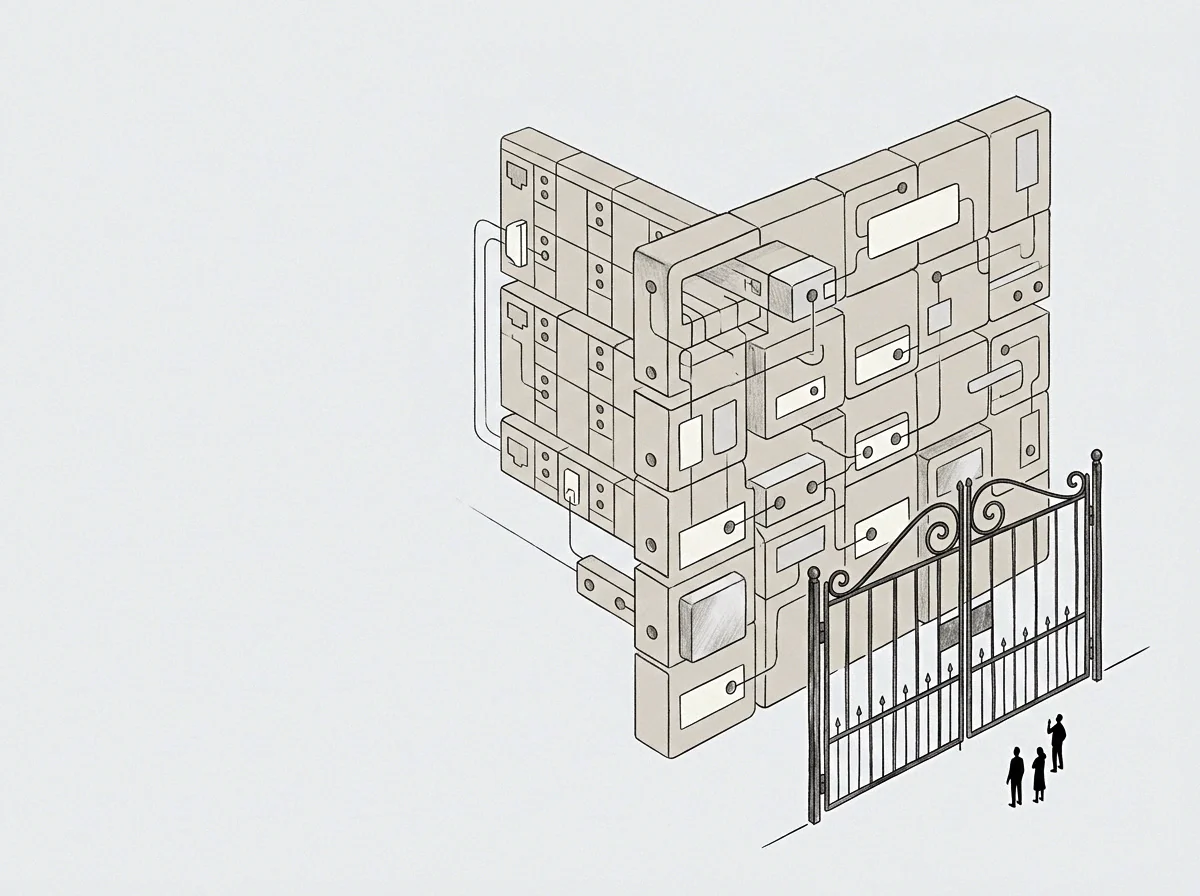
Visibility
What I wanted was simple and I have never once said it in a room: look at me. What I built instead was a position where nobody has to. Those two things sat in me for years without ever being put next to each other, and the day they were, it was not a revelation, it was embarrassing.
Instead of standing in a room I turned myself into the conditions inside it, so that everything ran well and there was nobody in the frame to thank for it. And then I wondered why nobody saw me. This is not something I missed.
A small person works out very fast which of the two is survivable. Being looked at can be taken back at any moment by whoever is doing the looking. Being needed cannot, because it is a fact about the structure and not a mood, and a fact about the structure holds while you are boring, while you are tired, while you are saying nothing at all.
So I took the one that could not be taken back, and I ran it well for a very long time, and running it well is precisely what kept the other one out, because nobody looks at a position built so that looking is unnecessary.
I stayed in it for a second reason too, and that one flatters me less. Giving is closeness with the exposure taken out. Supply something and you are near a person, and you are also holding the wheel, and nothing about you is on the table.
Receiving is the exposed side, and I have no practice there. The bonds that have held for decades are the ones where nothing was ever needed from me and somebody knew me anyway, and I used to file that under luck.
Years without my own site while I built everybody else’s. What is turning it now is small and mechanical and not impressive in any way. My name went on a page where a stranger can find it.
Work goes out now with a maker attached to it, which sounds like nothing until you have spent a working life making sure it did not. And once, recently, I told one person plainly what I needed, at the hour I needed it, instead of supplying and supplying and waiting for it to be noticed.
None of it feels brave from inside. From inside it is just the next item that had to be done, and it is uncomfortable in a way I have no practice for, because there is nothing in front of me now to stand behind. Writing the name took an afternoon.
Getting to where I could write it took years.