Meaning
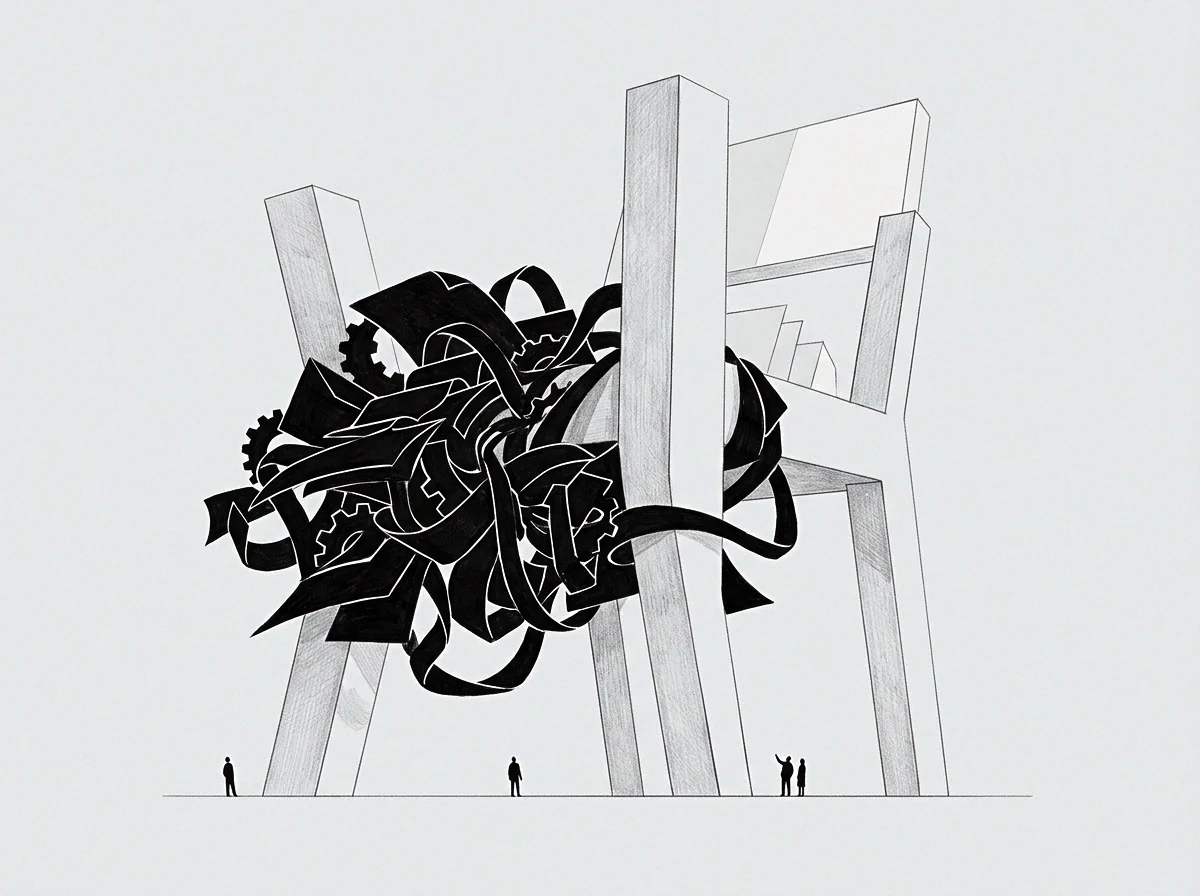
Emotional strain generated when an individual must continuously defend an ungrounded position or unearned status against operational reality. Chronic anxiety develops whenever the public claims of a seat outstrip the actual competence or authority of the person occupying that position. The condition persists until either the structural terms match the real contribution or the person retreats from the arrangement entirely.
Defensive Reaction
Threat detection sharpens under these conditions, causing every neutral operational query to be treated as an existential challenge. This defensive posture triggers protective interpersonal maneuvers designed to deflect scrutiny away from technical deficiencies. When an operator lives in constant fear of exposure, energy diverts away from real output and into status preservation.
Capacity Cost
The expenditure of mental attention required to uphold a false front depletes resources available for genuine production, coordination and long-term planning. Hours get burned in rehearsals of perceived slights, pre-emptive arguments and postured authority. Over months, this misdirected effort produces exhaustion, missed delivery milestones and volatile exchanges with colleagues.
Structural Boundary
Relief from this internal friction arrives solely through structural realignment rather than personal reassurance or therapeutic intervention. Sizing the financial and operational footprint to the seat that is demonstrably occupied removes the necessity for defensive performance. Once the threat of exposure disappears, the underlying operational anxiety dissolves naturally.