Meaning
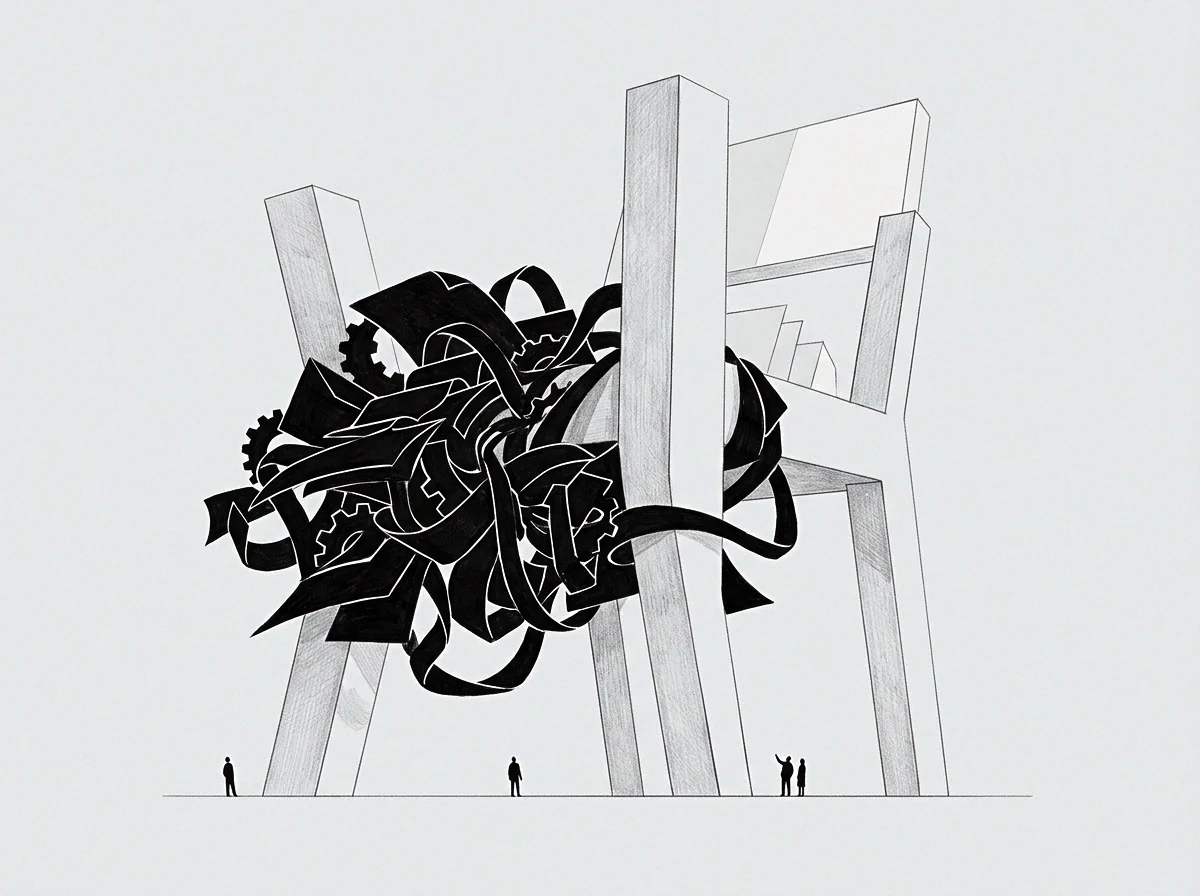
Formal apportionment of equity ownership, net revenue or governance rights negotiated among the founding participants of a commercial venture. An initial split reflects the negotiated assessment of historical contributions, future operational commitments and capital risk borne by each member of the founding team. It defines the long-term economic architecture of the business and establishes the formal distribution of power within the room.
Contribution Alignment
Structuring this division accurately requires rigorous honesty regarding the actual daily labor and technical capacity each participant brings to the table. An equal division agreed upon during the optimistic early days frequently becomes a toxic liability when operational burdens fall unequally upon one builder. Rewarding speculation equally with execution guarantees deep resentment as the technical build intensifies.
Friction Multiplier
Unbalanced distributions act as an operational drag, demotivating the primary builders who watch passive or low-performing partners collect equal economic proceeds. When the division of equity contradicts the day-to-day distribution of workload, decision-making becomes paralyzed by passive-aggressive resistance. Correcting this imbalance requires difficult contractual renegotiation before external capital can be deployed.
Revision Boundary
The agreed allocation remains frozen until an explicit legal restructuring or recapitalization event formally resets the cap table. Operating on informal verbal assurances that equity will be adjusted in the future invites catastrophic legal disputes upon liquidity events. A durable split must reflect verifiable ongoing output and enforceable legal terms.