Meaning
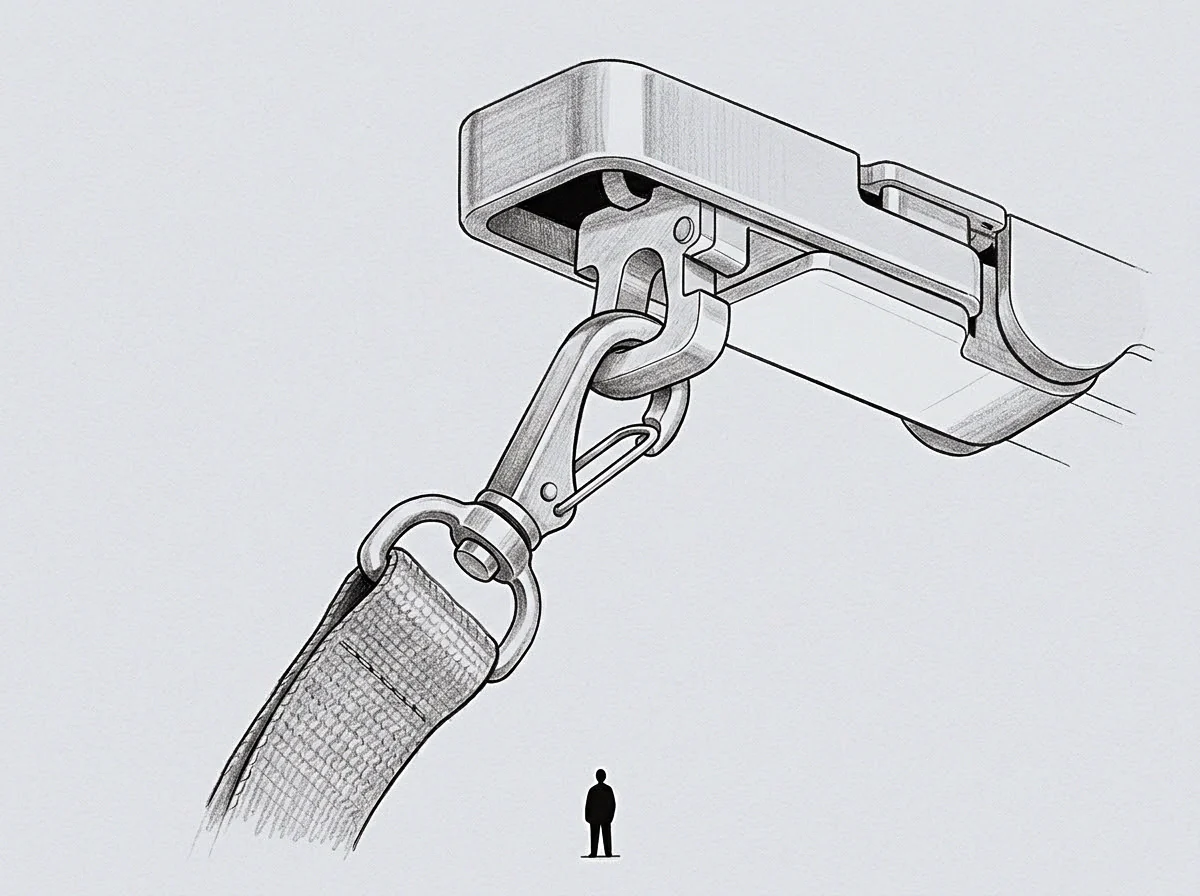
A bottleneck is a stage within a sequence of operations that has a lower capacity than other stages, causing work to accumulate before it and creating delays for subsequent steps. This constraint dictates the maximum rate at which the entire system can produce output, regardless of the capacity of other parts of the process. Identifying a bottleneck requires observation of work queues or delays rather than simply relying on stated capacity figures.
The effect of a bottleneck extends beyond its immediate location, impacting delivery times and resource utilization across the entire workflow.
Capacity Constraint
Even if other parts of a workflow have surplus capacity, the total output rate cannot exceed that of the bottleneck. Overloading a bottleneck does not increase its output; rather, it often leads to higher work-in-progress inventory and longer wait times for subsequent operations. A founder might unknowingly add resources to upstream or downstream steps, resulting in wasted effort and increased cost, while the core restriction remains unaddressed.
The true capacity of an entire operation is determined by its slowest component. This principle applies whether the resource is a person, a specific tool, or an information processing step requiring a unique approval. The mechanism involves work piling up, which then starves downstream activities, creating idle capacity in other parts of the system.
Unseen Friction
Often, the presence of a bottleneck is not immediately obvious, especially when the constraint involves tacit work or unstated expectations. This can arise from a founder’s unique ability or specific knowledge that has not been documented or delegated. When work relies heavily on one individual’s review or approval, that person effectively becomes a bottleneck, even if they appear highly productive.
This hidden constraint slows down the entire system, yet its source may be difficult to pinpoint without a detailed analysis of actual work paths and dependencies.
Systemic Cost
The cumulative impact of a bottleneck translates directly into increased operational cost and lost opportunity. Delays extend project timelines, tying up capital and delaying revenue generation. For the founder, a persistent bottleneck can mean working more hours to compensate for process inefficiencies, carrying a heavier load of direct work, or forfeiting potential growth because the system cannot handle increased demand.
The cost is not just financial; it includes the energy and attention drain on key personnel, diverting them from higher-value work. The overall scalability of an operation is directly limited by its most constrained point.