Meaning
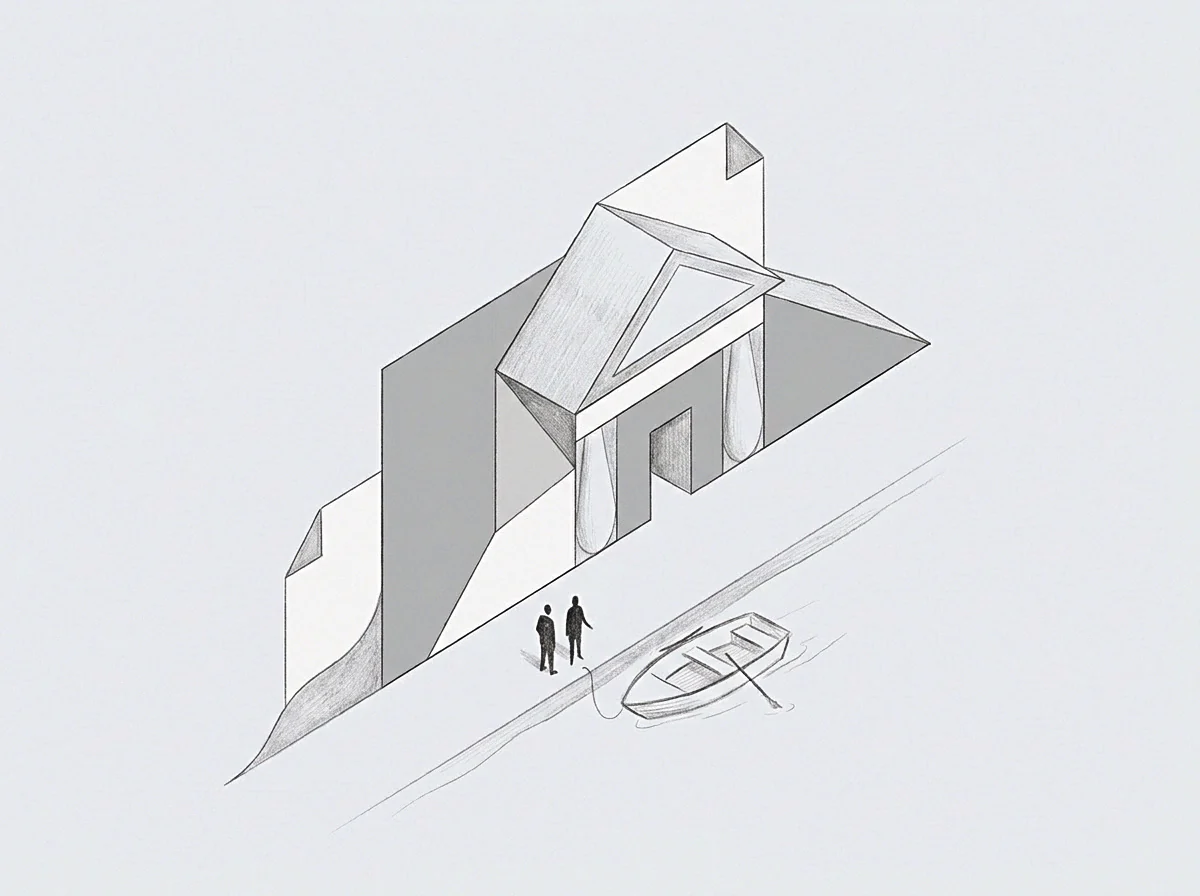
A structural perimeter defines the range of conditions within which an operating structure, contract or mental representation remains valid. Outside the boundary of the model, assumed relations between inputs and outputs break down because the mechanism was never calibrated to absorb external disturbances. Operators encounter this perimeter when escalating volume or unfamiliar requests demand decisions that default rules cannot resolve.
Load Threshold
Internal stability depends on keeping incoming tasks inside calibrated parameters. When an arrangement transfers unexpected volume to a single person, the boundary of the model is breached long before the contract formally expires. The resulting strain exposes the difference between what the documentation described and what the human operator was quietly absorbing to keep the work moving.
Enforcement Friction
Enforcing a structural perimeter requires confronting counterparty expectations that developed during informal expansion. A founder who previously carried off-book exceptions must actively decline requests that exceed stated terms, an action that frequently provokes surprise from partners accustomed to elasticity. Without explicit limits, the perimeter drifts inward until the person occupying the seat absorbs all variance at severe personal cost in hours and attention.
Stating a formal limit stops the drift by placing the barrier on the terms rather than on personal endurance. A firm boundary transfers the administrative problem back to the system that generated it.
Operational Envelope
The concept loses utility when applied to purely theoretical abstractions that bear no measurable relationship to physical throughput. A boundary of the model holds only where real friction exists to penalize crossing it.