Meaning
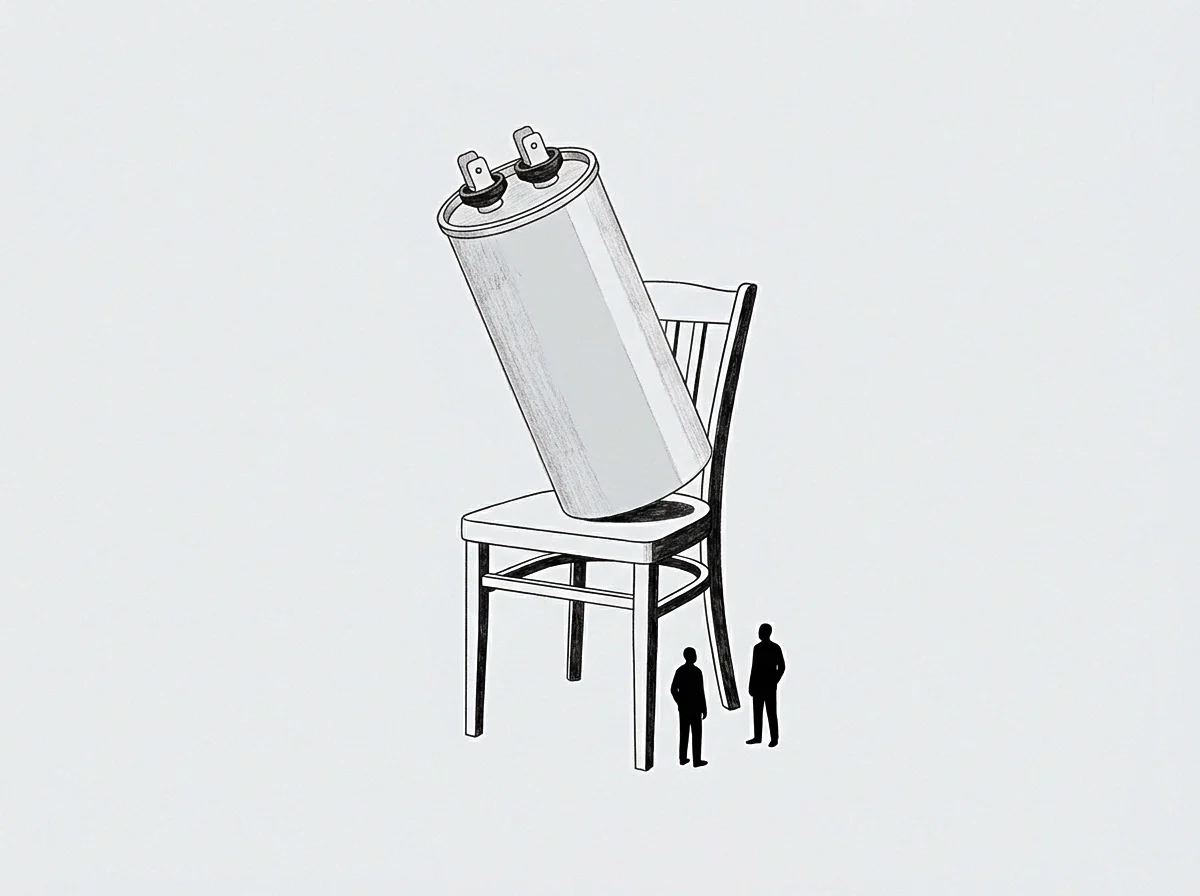
A threshold of measurement separates the non-financial components of a founder’s load from the countable financial impacts that surface in the record. Within this arrangement, a conversion boundary identifies the specific point where unpriced inputs like attention or energy exhaustion become visible as a change in direction or a capital cost. It marks the limit of internal absorption for the person in the seat.
Vector Alignment
Directional vectors represent the total weight of a choice before any part of that weight is priced in currency, including the unstated mental load that pre-dates a transaction. When a conversion boundary is crossed, the silent accumulation of hours or capacity loss forces a redirection of the work. This change occurs because the seat can no longer sustain the load through personal output alone.
The record eventually captures the delta, showing where the unstated commitment reached its limit and required an external provision.
Capacity Requirement
Mechanisms of capacity management operate on a private gradient where the cost of the seat is paid in hours rather than dollars. The conversion boundary signals the moment the operator must transition from personal exertion to a structured arrangement. Crossing this line implies a loss of the specific flexibility found in work led by a founder because the buffer of unpaid dedication has been exhausted.
It requires the exchange of private energy for public capital to maintain the same output. Such a shift alters the cost profile of the seat permanently and forces a new count of the resources required to sustain the position.
Structural Limit
Baseline requirements for a seat often hide the true intensity of the work until the mechanism fails to scale. Identifying the conversion boundary allows a person to see the hidden price of a particular arrangement before the energy cost becomes a financial liability. The arrangement breaks when the load exceeds the person’s ability to normalize it.
Every seat contains this limit.