Meaning
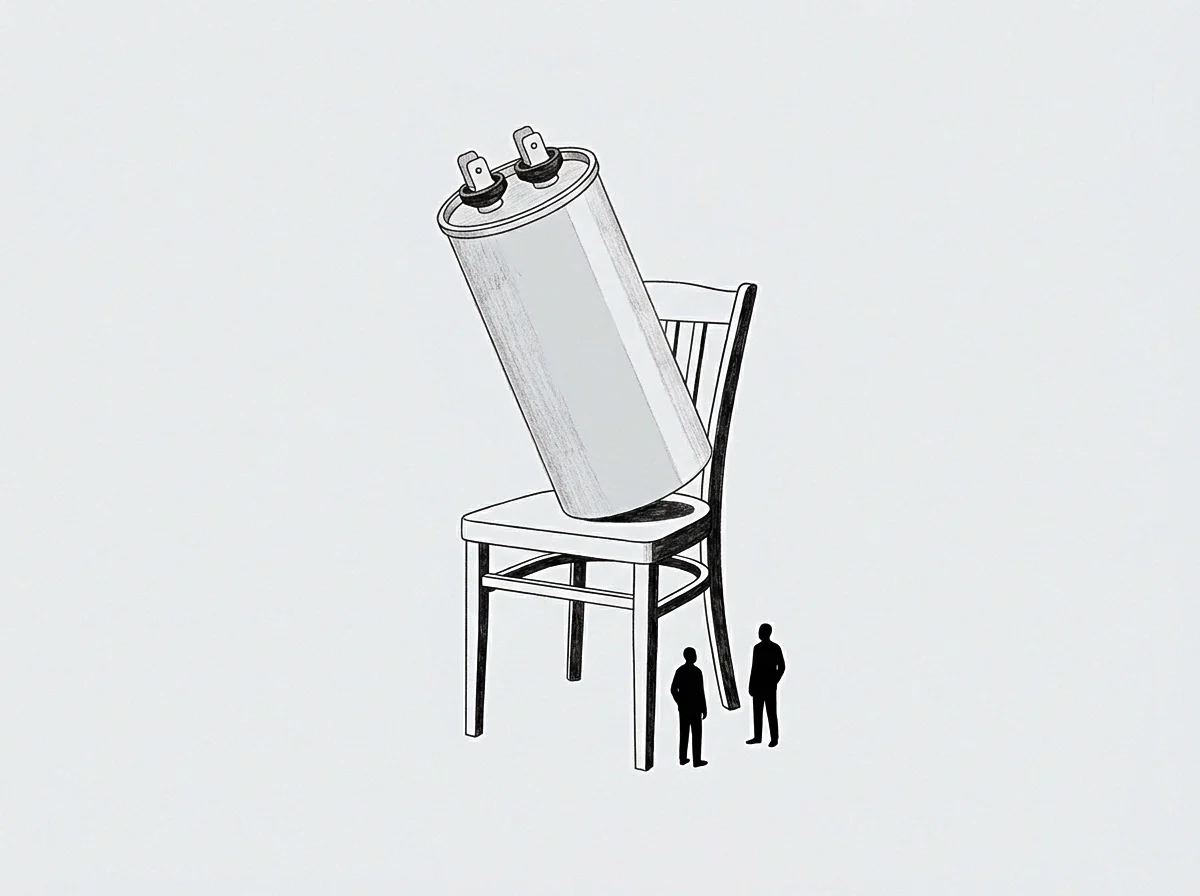
A factor in a composite cost or vector, an assumed component lacks explicit measurement but influences perceived direction. This component is integrated into planning or resource allocation based on an unverified estimation of its presence or impact, rather than precise data. It operates as an implicit variable within any system where decisions are made without full quantification of all contributing elements, affecting the overall resultant without being directly accounted for in its specific magnitude.
Directional Force
An assumed component exerts a subtle but consistent influence on the overall trajectory of work or resource distribution. Because it is unmeasured, its actual strength and orientation remain unvalidated, yet it steers decisions and efforts as if its contribution were known. This unquantified force can lead to a divergence between the expected outcome and the actual path, as the resultant direction is skewed by an unseen pull.
The founder, steering by an incomplete map, experiences this as unexplained friction or resistance.
Cost Implication
The hidden burden of an assumed component is a drain on energy, hours, and capacity. Without a precise understanding of its nature or magnitude, the founder might over-allocate or under-allocate resources, leading to inefficiencies and unrecoverable work. For instance, an assumed partner contribution might mean the founder carries additional load for no reciprocal return, resulting in an unbilled expense.
This cost accumulates over time, often manifesting as a deficit in the founder’s own capacity or an unacknowledged subsidy within the arrangement, directly reducing the available capital for other work. The cumulative effect can significantly alter the actual value received by the founder over time, contrasting sharply with initial projections.
Discovery Process
The true impact of an assumed component often becomes clear through a process of operational friction or unexpected resource depletion. When operations repeatedly fall short of projections or demand more effort than anticipated, it points to an unacknowledged variable. The discovery of an assumed component typically involves backtracking through a series of actions and their outcomes, identifying where an implicit expectation diverged from measurable reality.
This realization re-frames past decisions, allowing for more precise future planning by isolating and quantifying the previously hidden element. The process itself carries a cost in retrospective analysis and the potential need to renegotiate terms or reallocate effort once the component’s true measure is understood.