Meaning
Administrative prioritization is the involuntary selection of tasks for postponement when the operator’s attention becomes a scarce resource. A deferral direction identifies the specific categories of work that a person consistently shifts to a future date to preserve the delivery of immediate, externally validated commitments. The mechanism operates as a default setting for resource allocation rather than a conscious choice, functioning primarily when the margin of error for time or energy disappears.
This boundary lies where an active decision is made to cancel a project entirely, as the term only covers work that remains on the record as a future obligation.
Task Hierarchy
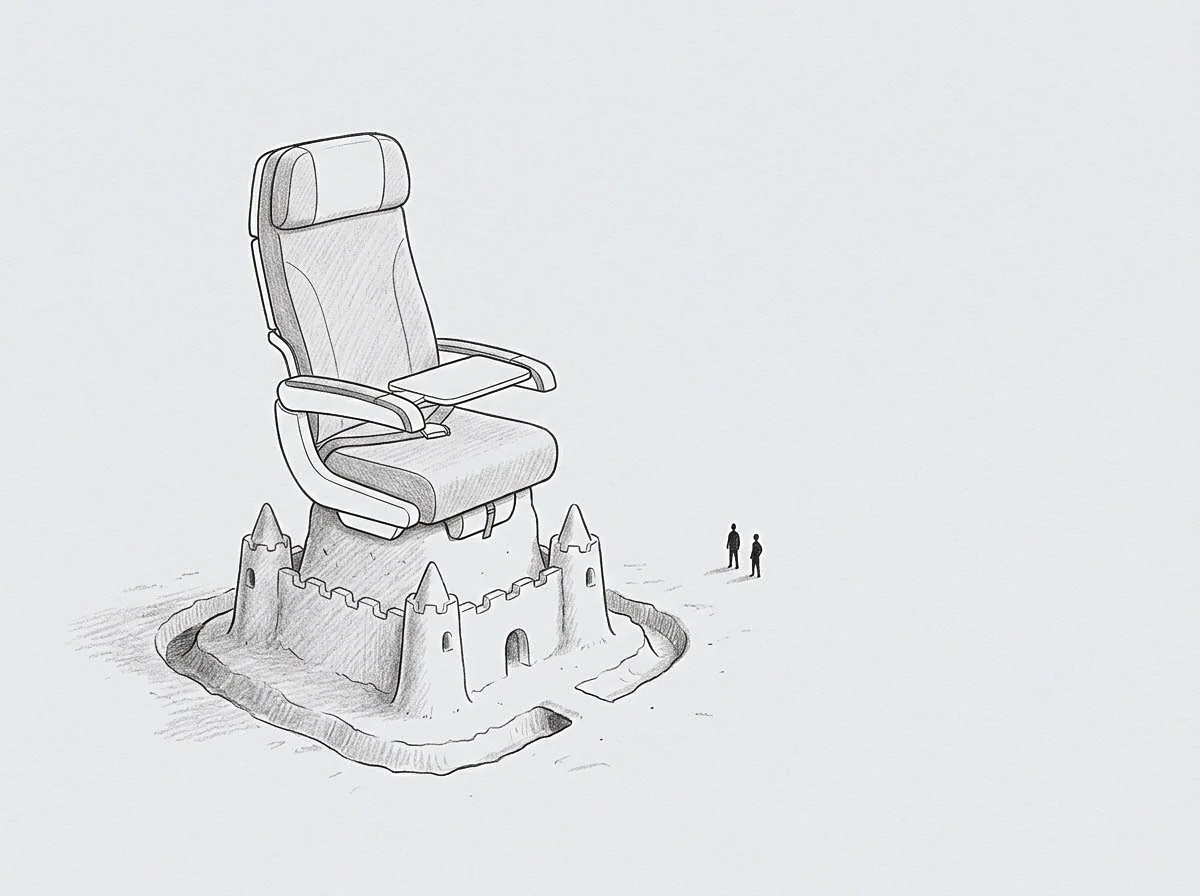
External pressure determines the sequence of execution when a seat becomes overcrowded with competing demands. Under these conditions, the deferral direction usually points away from the client and toward internal infrastructure. The person will sacrifice systems to ensure delivery.
Operational Cost
Sustained reliance on these defaults produces a specific erosion of long-term capability and creates a cumulative load on the founder. Every instance where the deferral direction favors the immediate over the foundational adds to the future effort required to regain a stable baseline. This cost is measured in the hours lost to fixing fragmented systems that were never completed and the energy spent managing the anxiety of a growing list of unfinished business.
Eventually, the weight of the deferred tasks prevents the operator from moving into a new seat or exiting the current one.
Structural Baseline
Measurement of this bias involves comparing the stated goals of an arrangement against the actual distribution of hours during periods of high stress. When the delta between these two accounts grows, the deferral direction provides a clear map of what the person in the seat values as a survival requirement. Such patterns often reveal that the recorded terms of a partnership are secondary to the immediate social or financial pressures of the day.
A stable record depends on recognizing these vectors before they become permanent deficits in the work.