Meaning
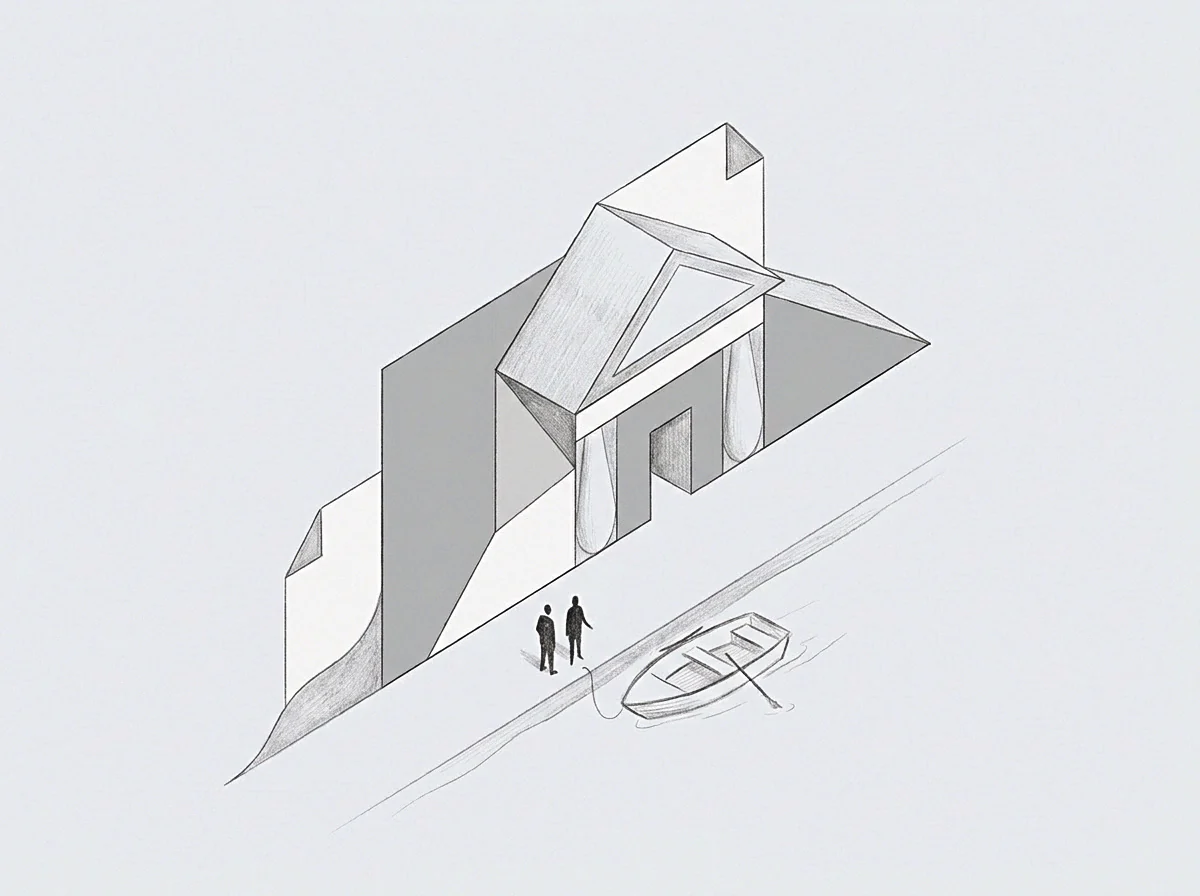
The threshold beyond which an entity or material cannot absorb mechanical or psychological stress without suffering permanent deformation marks the boundary of recoverable strain. In operational seats, the elastic limit defines the maximum load an operator can carry through temporary effort before structural breakdown or permanent disengagement occurs. Once this threshold is crossed, returning the arrangement to its prior equilibrium becomes impossible.
Deformation Strain
Temporary increases in volume place reversible strain on an operating seat, requiring extra hours and compressed recovery times. An operator absorbs these surges through personal reserve, operating under the assumption that normal conditions will resume once the immediate milestone passes. When the load recedes before reaching the elastic limit, the person recovers their original focus and operational capacity without lasting impairment.
Structural Yield
Exceeding the threshold of recoverable strain produces irreversible damage to the arrangement and the person holding the seat. When pressure continues beyond the elastic limit, informal accommodations collapse and the operator loses the willingness to carry uncompensated load. The resulting damage cannot be repaired by verbal assurances or brief vacations because the fundamental willingness to absorb risk has yielded under pressure.
Surviving this transition requires establishing rigid terms and reducing operational commitments to a sustainable fraction of previous volume. Rebuilding lost goodwill takes years while the physical capacity to absorb crises remains permanently degraded.
Restoration Perimeter
Physical and psychological concepts of strain lose validity when applied to automated systems with linearly scalable computing power. An elastic limit applies strictly to human operators and constrained arrangements where material fatigue dictates operational failure.