Meaning
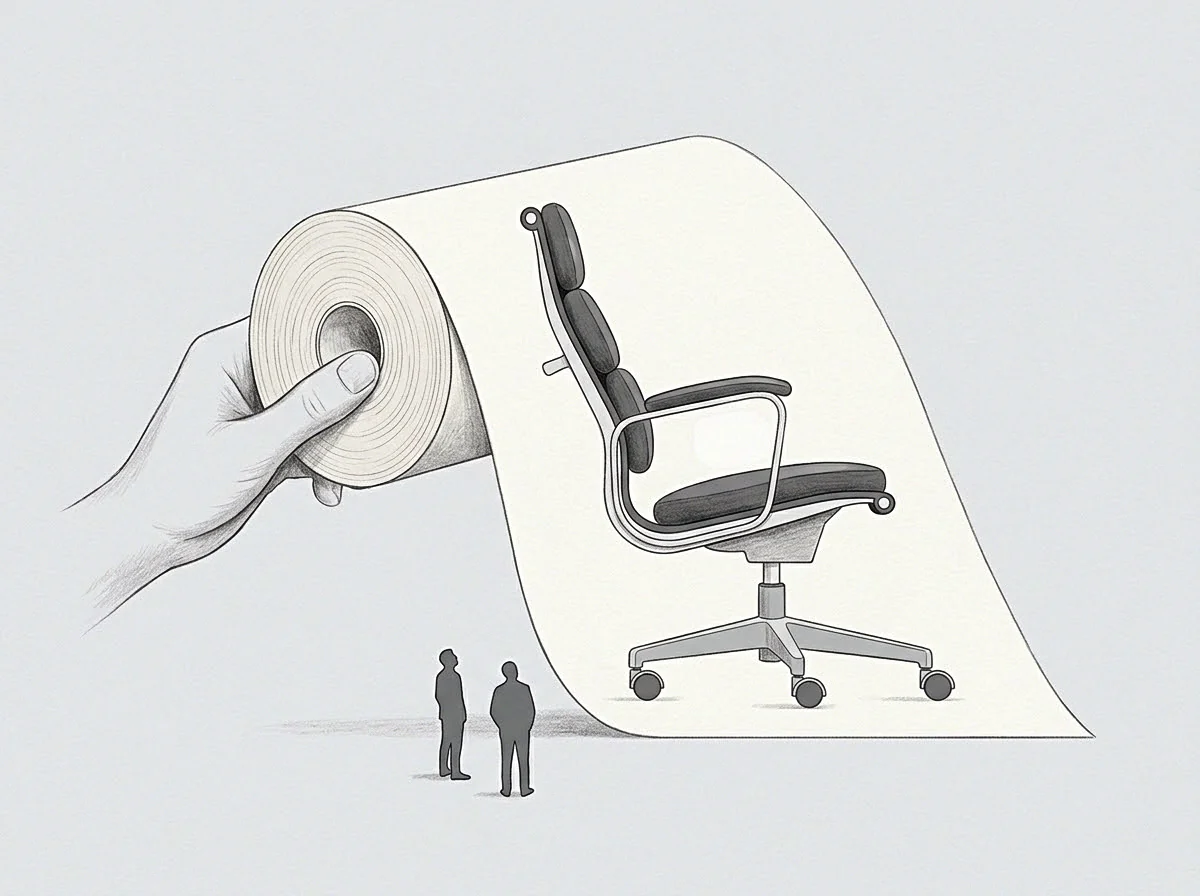
A fatal assumption is the erroneous belief that proficiency in performing a specific technical craft automatically confers the requisite knowledge and skills to operate a successful business that performs that craft. This misapprehension separates a founder from the distinct demands of entrepreneurial, managerial, and technical roles. It overlooks the differences between doing the work and building the structure for the work.
Craft and Commerce
The core of the fatal assumption lies in conflating the skills required for craft execution with those needed for commercial viability. A person skilled in a particular trade may excel at producing high-quality work, but this expertise does not automatically translate into an ability to attract clients, manage finances, or design scalable processes. The demands of commerce extend beyond the craft itself.
This distinction is often learned through costly experience.
Skill Limitation
The assumption places a significant limitation on the founder’s perspective, causing them to prioritize technical excellence over systemic efficiency or market understanding. It means that the founder’s initial approach to building a business is often to simply perform more of the craft work themselves. This prevents the development of robust internal systems or the delegation of tasks.
The founder remains trapped in the technical seat.
Role Segregation
The fatal assumption ignores the necessary segregation of roles within a functioning business, particularly the technician, manager, and founder functions. Each role requires distinct competencies and a different focus of attention. For example, the founder must focus on strategic direction and market positioning, while the manager builds the systems, and the technician executes the work.
Believing one person can seamlessly operate all these roles without specific development is a source of strain.