Meaning
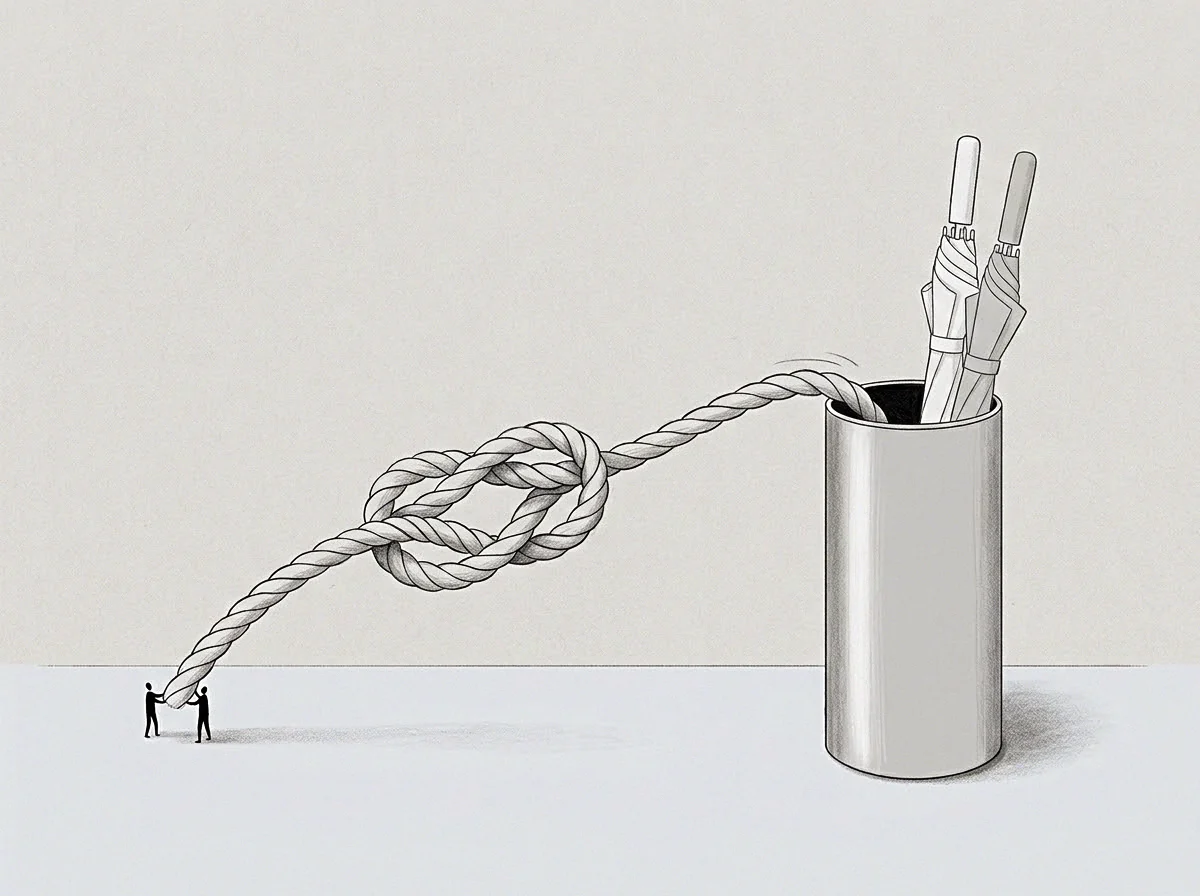
A legal and behavioral condition where individuals present themselves to the public as partners in a business venture. Engaging in holding out creates a situation where the law treats the relationship as a partnership even if no formal agreement exists. This presentation establishes shared responsibility for actions taken by either party.
Legal Status
The courts evaluate the behavior of the parties to determine whether they have acted as joint owners. In cases of holding out, the lack of a written contract does not shield the individuals from the obligations of a partnership. This means that a person can be bound by another’s commitments simply because they permitted the appearance of a shared venture.
Joint Liability
Operating under this appearance exposes each individual to the debts and liabilities incurred by the other in the course of the venture. For example, if one party signs a high value contract with a supplier, the other remains equally responsible for the resulting payment. This exposure represents a massive cost in risk and potential financial loss for the person who did not authorize the specific transaction but allowed the partner status to be presented.
Cost Allocation
This principle ensures that the burdens of the venture are shared in proportion to the represented relationship. It prevents one party from enjoying the benefits of joint presentation while avoiding the losses. Once the appearance of partnership is established, the financial consequences must be carried by both sides.