Meaning
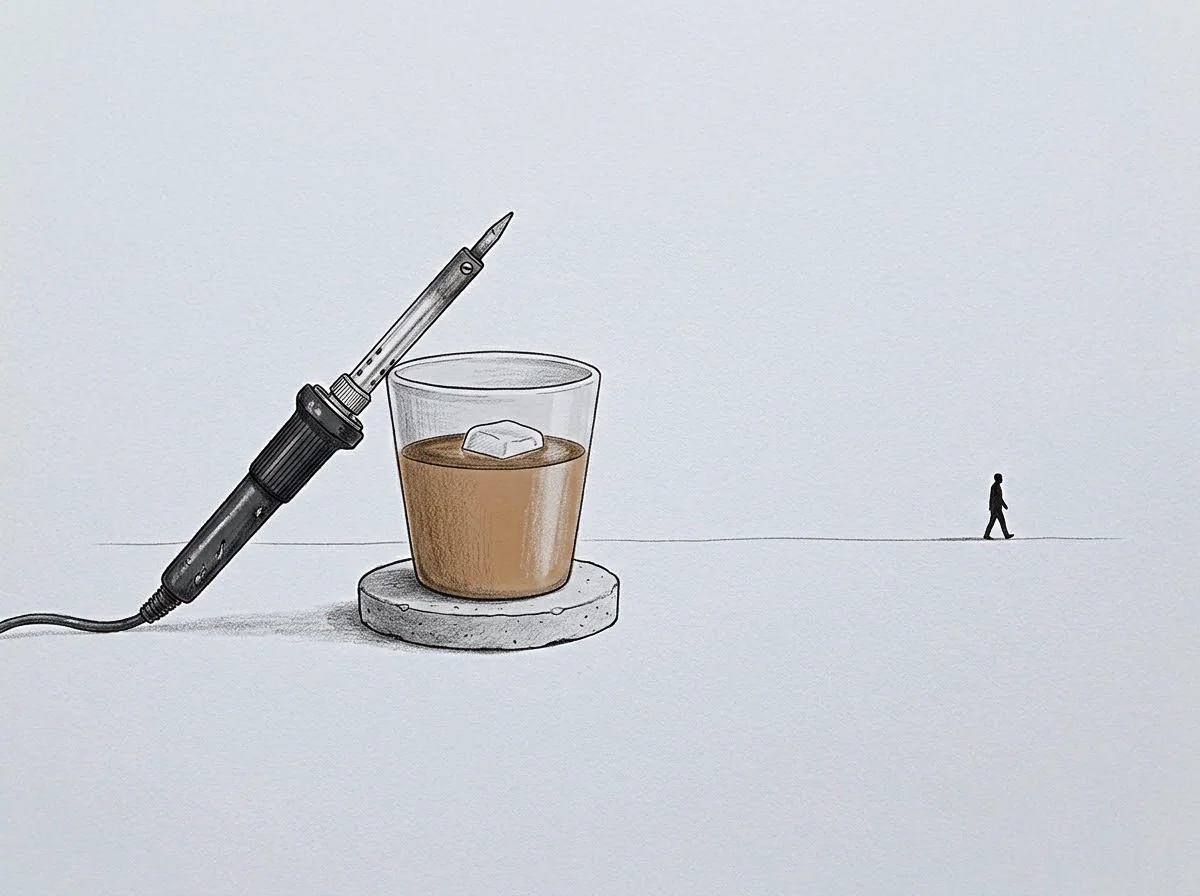
The gradual, unwritten adaptation of a formal role to fit the specific habits and personal authority of its occupant describes a common evolution of work practices. In many organizations, informal wearing allows a founder to retain control over decisions despite no longer holding an official executive seat. This practice relies on long-standing relationships rather than written contracts.
The arrangement depends on the voluntary deference of the team, who continue to seek approval from the founder even when a successor has been appointed. It creates a secondary structure that runs parallel to the formal chart.
Personal Authority
Authority under this pattern resides in the individual rather than the office. This personal influence bypasses the established hierarchy. It enables quick decisions but weakens the position of the formal successor.
Role Drift
The boundaries of the role become blurred as personal habits replace formal procedures. This drift can cause confusion among the team about where the ultimate authority lies. The lack of clear limits makes the arrangement fragile when the individual eventually departs.
Succession Conflict
Handover becomes difficult when the departing leader keeps an unwritten hold on the organization. The successor must navigate both the formal rules and the informal patterns of the old leader. This tension often continues until the founder completely withdraws from the room.