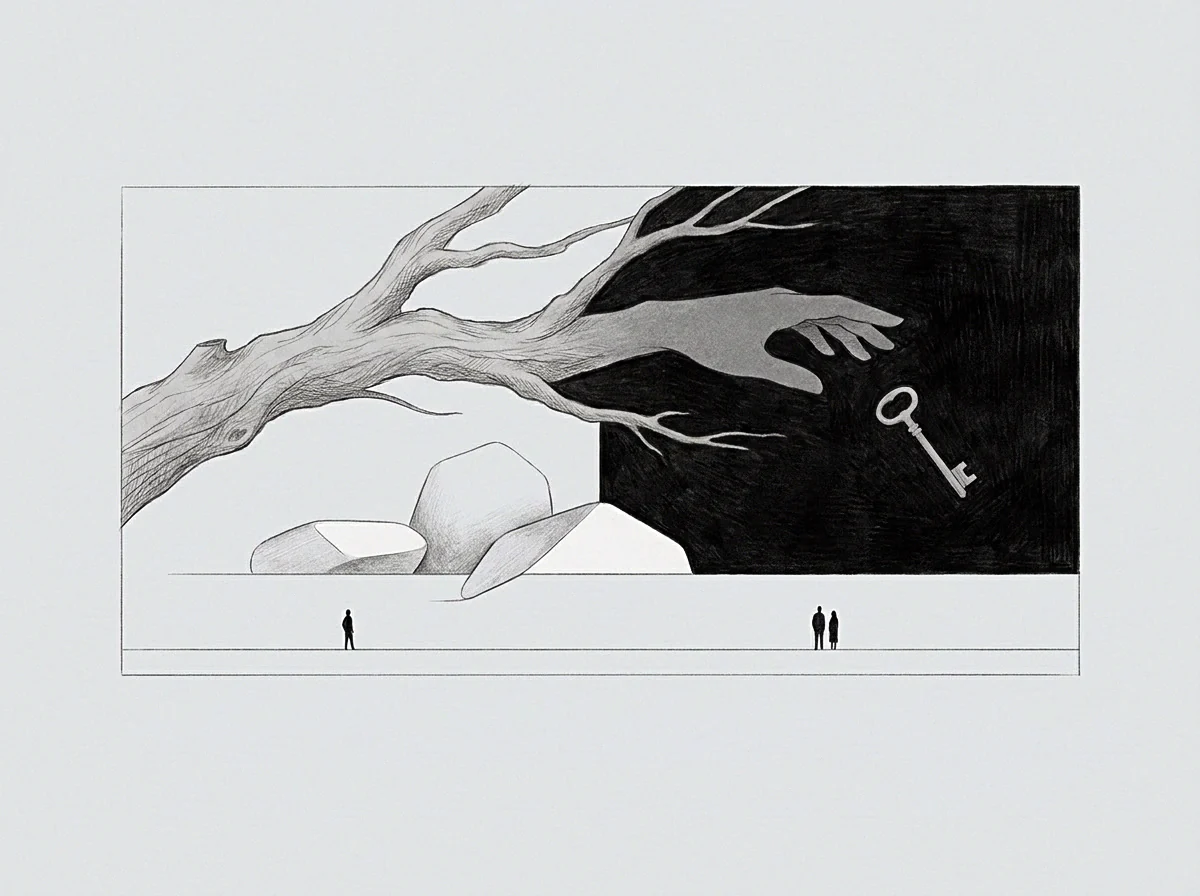
Meaning
An operational habit or structural bias passed down from early founding conditions constitutes an enduring element of working culture. In the post-founding record, an inherited trait refers to a pattern of decision making or risk tolerance that persists long after the original conditions that created it have changed. It acts as an unwritten rule governing daily execution.
Structural Persistence
Early operational choices entrench themselves into routines that survive long past their usefulness. An inherited trait often originates as a temporary solution to acute crisis, such as informal approval channels or manual record keeping. Over time, these temporary fixes solidify into formal procedures that new operators accept without question.
When an enterprise expands, these legacy habits create systemic friction, requiring deliberate effort to dismantle before modern workflows can function.
Adaptation Overhead
Modifying ingrained operational habits requires sustained management energy and structural re-engineering. Overcoming an unwanted inherited trait forces the seat holder to spend attention unlearning old behaviors rather than building new capacities. The friction of shifting entrenched cultural defaults slows down operational adaptation.
Inheritance Limit
Legacy patterns cease to dictate outcomes when external regulatory or contractual mandates impose strict compliance standards. An inherited trait loses force when explicit legal requirements supersede informal historical practices. Formal rules override historical habit.