Meaning
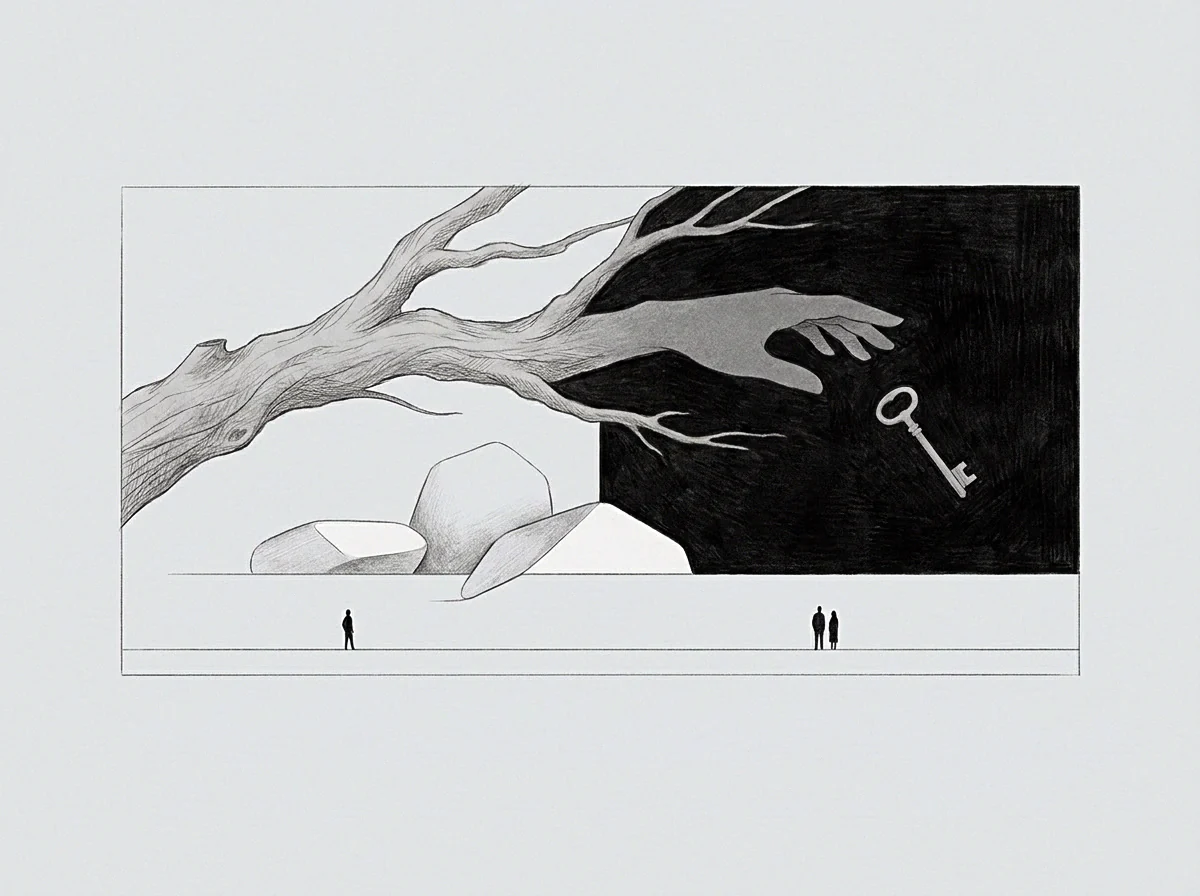
Behavioral patterns involving the suppression of emotion toward oneself allow an individual to function under extreme pressure. A state of self-directed coldness occurs when a person treats their own needs and feelings as irrelevant data points. This detachment is used as a tool to maintain the seat when the emotional or physical cost of the work becomes otherwise unbearable.
Energy Guard
Protecting the capacity to work requires the shutoff of non-essential signals. Through self-directed coldness, the operator limits the amount of energy they spend on self-care or personal reflection. This guard ensures that every available unit of attention is directed toward the technical demands of the seat, even if the person inside is suffering.
Filter Effect
Processing information without the interference of personal sentiment changes the quality of the record. The filter of self-directed coldness allows a person to make decisions based on logic rather than empathy for themselves. While this can lead to high efficiency in the short term, it removes the internal warnings that would normally signal the onset of burnout or exhaustion.
Internal Limit
Ignoring the personal cost of the work eventually leads to a breakdown of the instrument itself. The record of self-directed coldness is found in the sudden failure of a person who seemed to be handling the load perfectly. Because the filter blocked the signals of decline, the exit from the seat is often abrupt and irreversible when the body or the mind finally refuses to continue.
The boundary where this detachment stops working is the point where the person can no longer recognize the value of the work they are trying to protect.