Meaning
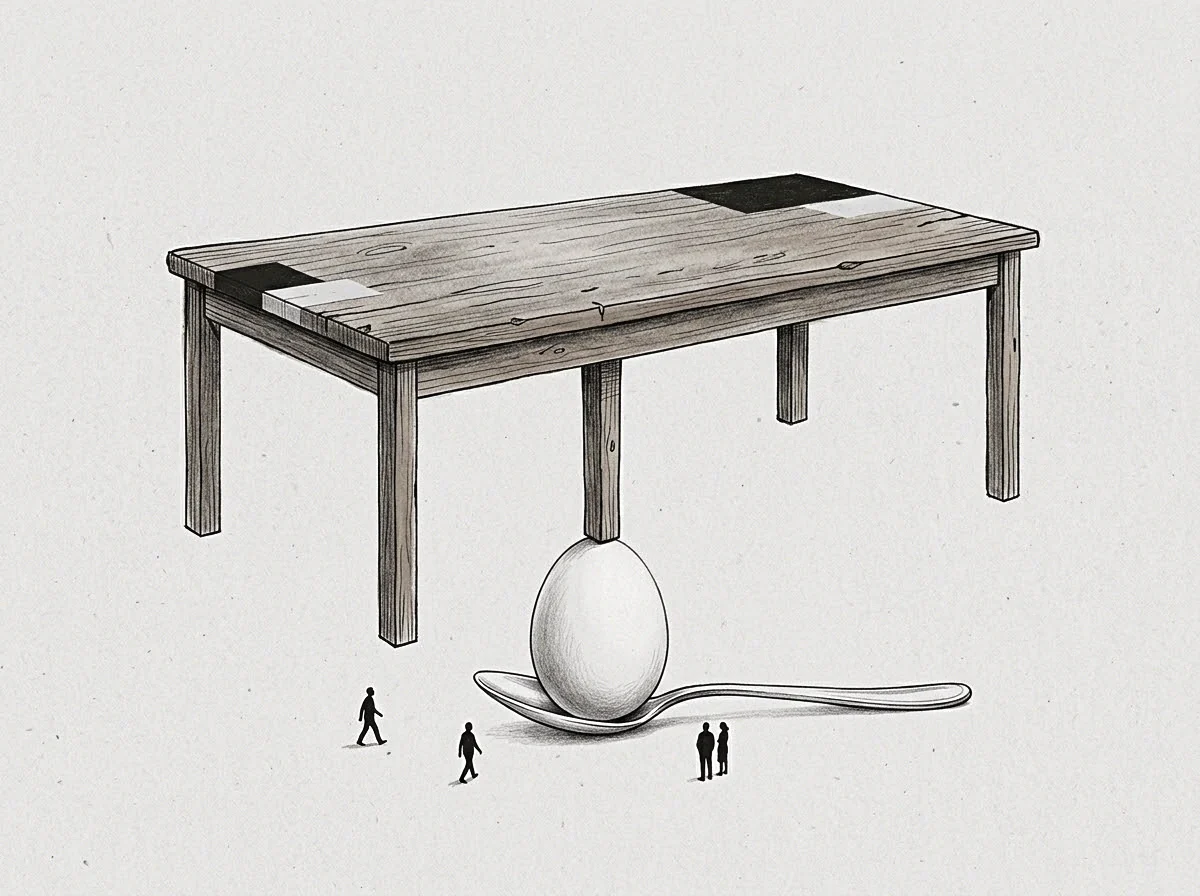
The active obstruction of fundamental psychological requirements for personal autonomy alongside competence and relatedness. Distinct from passive deprivation, need frustration involves an aggressive environmental pressure that undermines an individual’s sense of agency and self-worth. It occurs when a person is subjected to rigid control or chronic failure within an operational setting.
The condition inflicts measurable damage on cognitive endurance and emotional stability.
Deprivation State
Experiencing continuous obstruction of basic needs produces severe distress. Under acute need frustration, an individual feels trapped in an environment that actively denies their competence and invalidates their autonomy. The person is forced to operate under coercive conditions where personal judgment is penalized and authentic contribution is dismissed.
This hostile climate erodes self-confidence and destroys intrinsic motivation across all tasks.
Maladaptive Defense
Enduring prolonged psychological deprivation triggers destructive compensatory behaviors. When need frustration becomes chronic, an individual often adopts rigid, oppositional stances or retreats into complete emotional detachment to protect remaining reserves. The person may develop cynical attitudes toward collaborators and engage in passive resistance to protect remaining agency.
These defensive maneuvers degrade team cohesion, sabotage operational progress and accelerate personal burnout, locking the operator into a downward spiral of frustration and disengagement.
Recovery Limit
Reversing the psychological damage caused by chronic obstruction requires a complete structural change of environment. Minor adjustments within an inherently coercive arrangement cannot restore healthy functioning. An operator must secure genuine autonomy and mutual respect before authentic motivation can reemerge.