
The have-to allergy
Any sentence with have to in it gets refused in me before I have read what it asks. Not laziness. A need for my own movement, pressed on early enough that it now pushes back at anything shaped like a claim, in proportion to the push, and exact enough to fire at things I chose for myself.
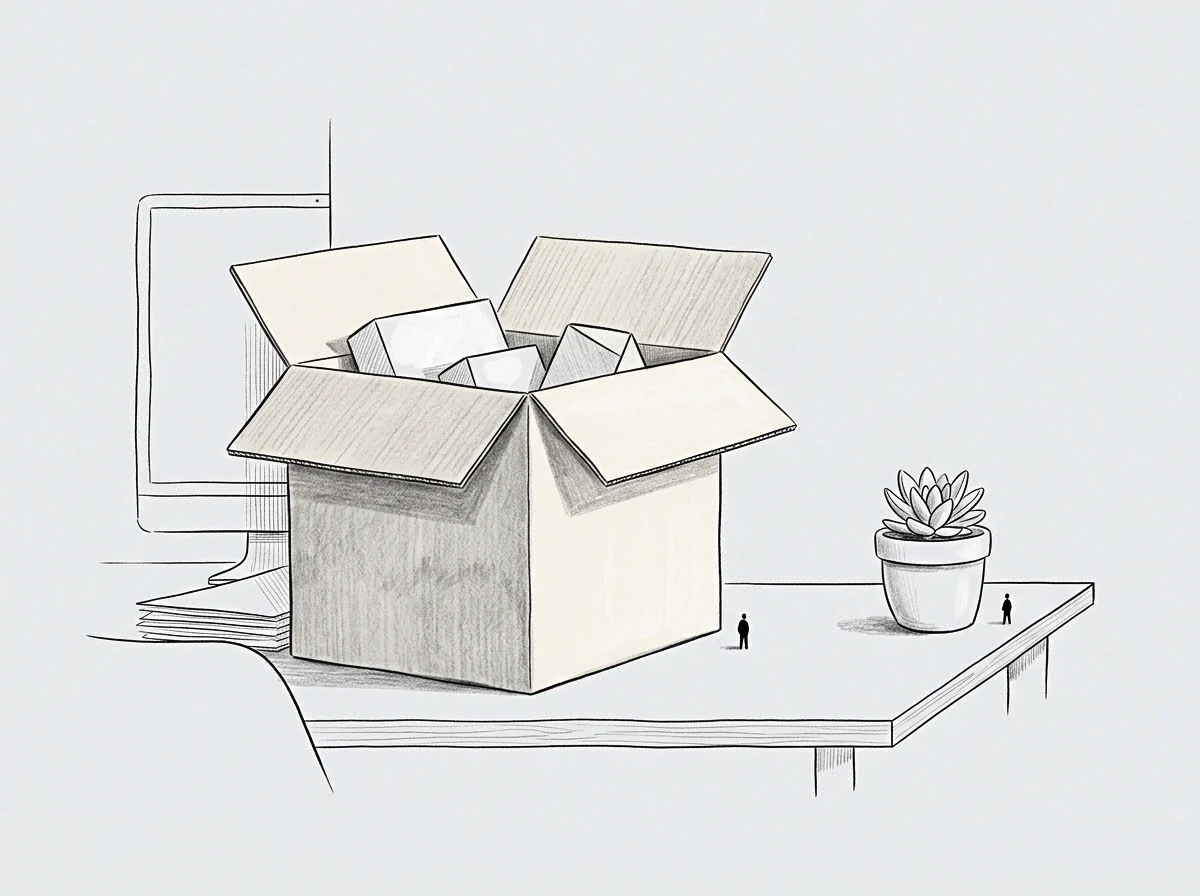
Allergy
A sentence arrives with have to in it. Something in me has refused it before the sentence has finished.
The order is fixed. The words land, something reads them as a claim on my movement rather than as a request for work, the refusal fires, and only after that, if there is anything left standing, does the content of the request get looked at. By then the content walks into a room where the answer is already sitting in the chair.
The same task put as do you want to goes through without touching anything and gets done that evening. Same work, same hours, same person asking. The wording is all it reads.
Where the wording came from makes no difference at all. The same two words get the same reading at the same speed whether they come from someone close, from a brief, or from the list I wrote for myself the night before.
Commercial work ran on the same grammar every time. The position was somebody else’s and my job was to move into it, to fit under a shape I did not set and move when it moved, and at the end the credit went to the name on the front of the work and not to the hands. I stopped taking that work years ago and explained it to myself as taste, as wanting to build my own things, which was true and was not the mechanism.
What every one of those arrangements required was tailoring, and fitting under somebody is the same grammar as have to, only spread across months and paid for. So the reflex that fires in one second had been firing slowly across a working life as well, and I read the slow version as a preference for independence. It was not a preference.
I still snap at an arrangement that only resembles those, and I know what is happening while it happens, and it goes off anyway.
I do not want to have to do something.
So I call it an allergy and I keep the word, because the word is accurate about the shape. The reaction is out of proportion to the substance, it arrives before the substance has been examined, and it happens to a thing other people swallow all day without noticing they swallowed it. What the word changes is where the fault gets filed.
An allergy is not a character. It is a reading, done fast, by something built to read fast, and a reading can be checked after it fires even when it cannot be stopped from firing.
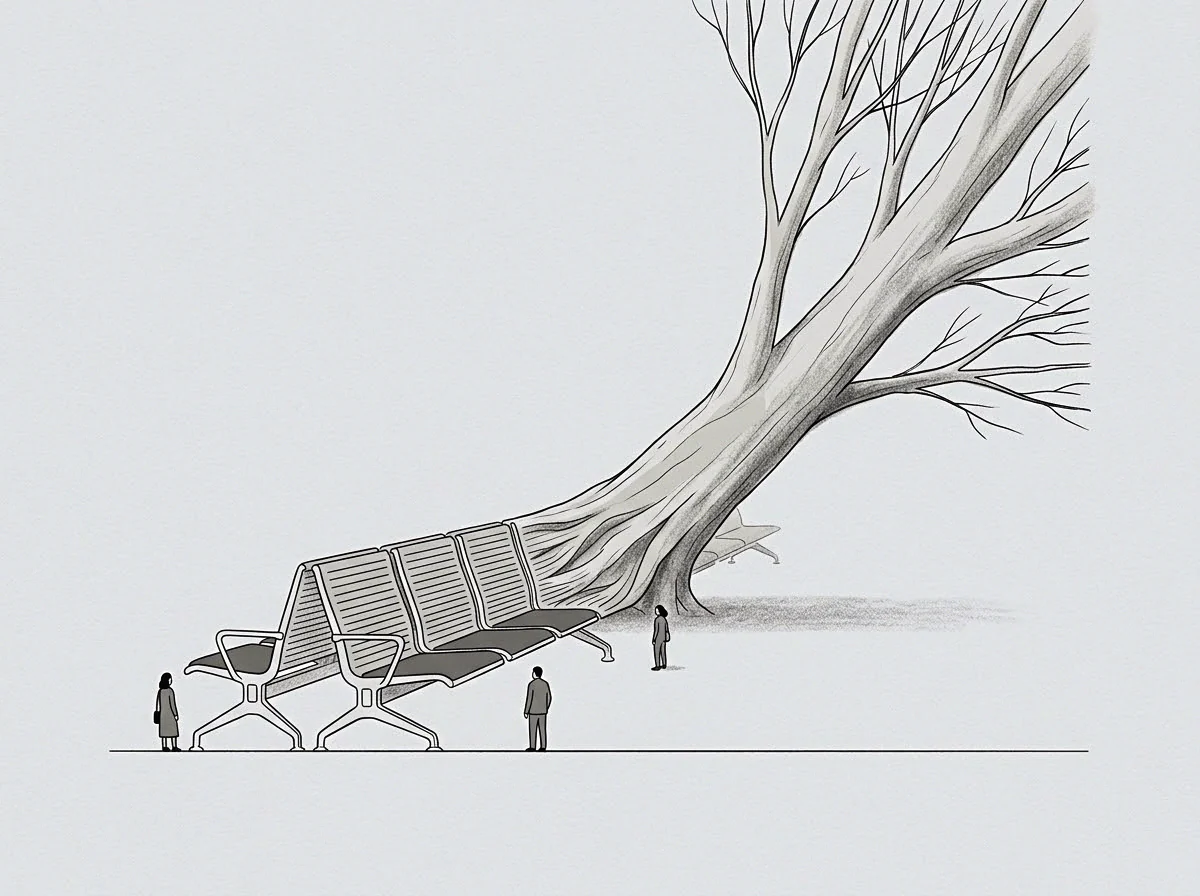
Trigger
The reflex has a name in the research and a machine under the name. The name only tells you other people have seen this. The machine tells you what it is aimed at, which is not the thing being asked for.
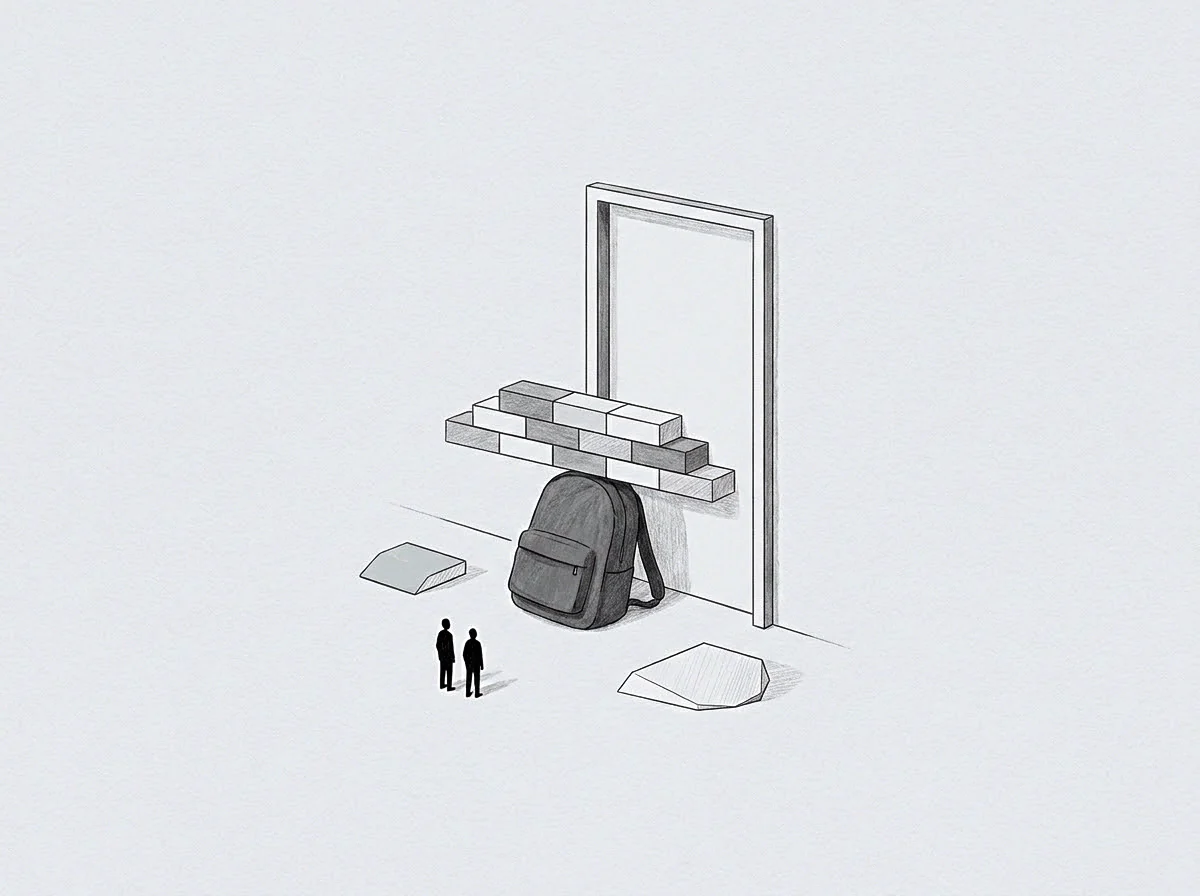
The Name for the Reflex
Jack Brehm put the term psychological reactance on it in a book in 1966, and the argument in it is one line long before it is anything else. A person walks around holding a set of free movements, the things he can do or not do as he chooses, and he does not hold them as a list to be consulted. He stands on them.
Take one away, or come close enough that it looks taken, and what comes back is a push toward the movement that was removed. The experiments under it were small and plain: give somebody a set of options, then take one off the set or tell them which one to pick, and the one that got removed comes back rated higher than it was rated before anybody touched it. Nothing about the object had changed in the meantime.
The push is aimed at the freedom and not at the object. From outside that reads as out of proportion, somebody fighting hard over something small, and the size of the thing was never what the fight was about. The field kept the term and pointed it mostly at persuasion, at why a warning, a rule posted on a wall or a direct instruction can produce more of the behaviour it was written to stop.
Same finding, aimed at a poster instead of a person.
The second half is the half this rests on, and it is where the term stops being about a moment. Where the free movement is taken early, and taken again, and again, the push stops being a response to a particular squeeze and becomes a setting. Later work went that way too, treating reactance not only as something that rises and falls inside one exchange but as a level a person sits at, higher in some than in others.
It stays switched on between events. It is no longer waiting to find out whether anybody is actually taking something; it reads every sentence that arrives for the grammar of no option, and it fires on the grammar.
Have to is that grammar in two words.
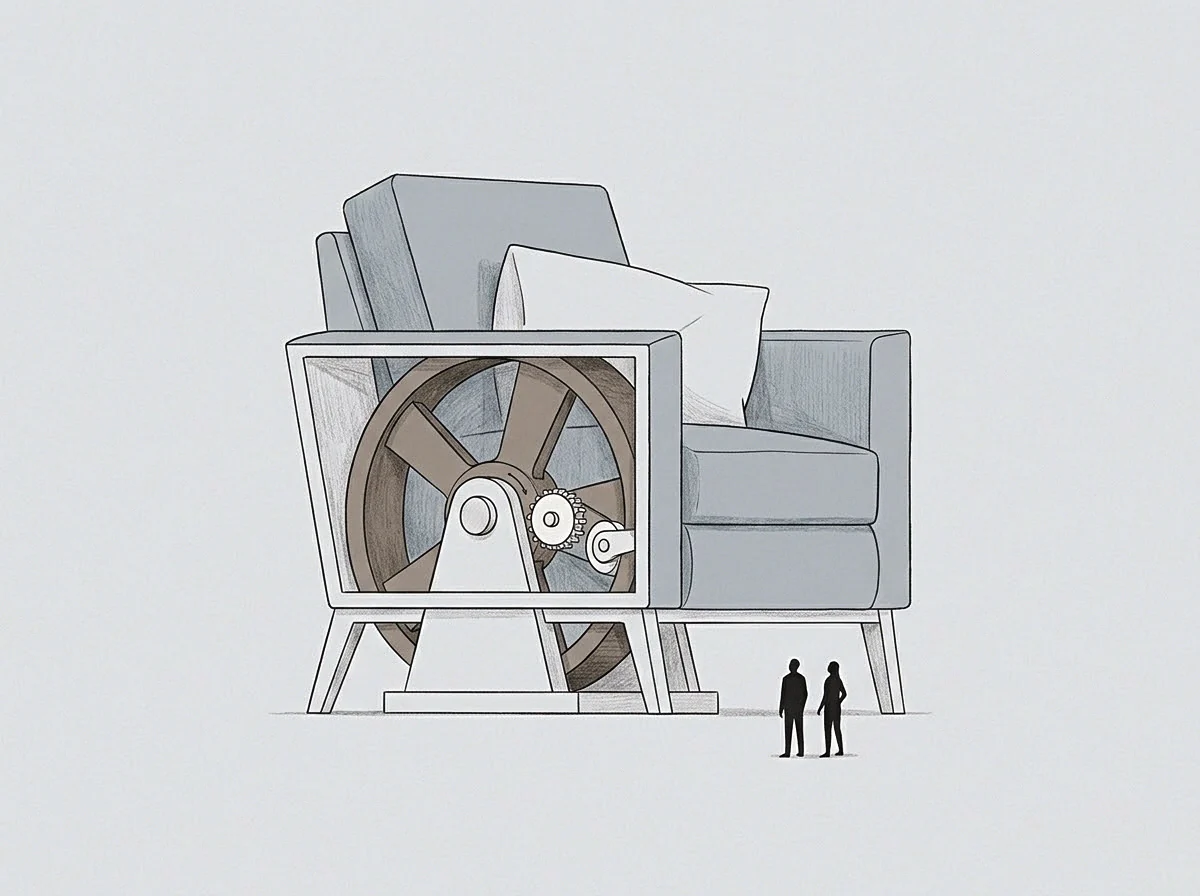
How the Pressure Comes Back
The first part is that the counter-force is proportional. Press a person toward something and the press itself calls up a force whose only job is to put the free movement back where it was, and the harder the press, the bigger the force that comes back. None of it is about the thing being pressed for.
So a person arguing hard for a change is building the case against it in the other head, with his own hands, and the better he argues the more he builds. Being right adds nothing to his side, because the force is not reading the argument, it is reading the pressure.
The second part is the measuring stick, and it took me longer to see. The person moves when he sees a gap between what he is doing and what he wants. His want.
The same gap held up against somebody else’s want is a squeeze, and a squeeze gets the refusal, on schedule. Held up against his own, it is a cost he is already carrying, and a cost he is carrying is his to settle, and nobody else can settle it for him. One wording goes through and the other does not, and the stick is the difference between them.
Do you want to hands the measuring stick over. Have to keeps it.
Autonomy Counted as a Need
Twenty years after Brehm, Edward Deci and Richard Ryan came at it from a different side and landed next to him. Their work, from the middle of the eighties through the synthesis they put out three decades later, sets out three things a person needs the way he needs food and not the way he prefers a colour: that his movement comes from him and he can stand behind it, that he is effective at something, and that there is somebody he cares for and somebody who cares for him. Take one of the three away and the person does not simply go without it.
He degrades.
The finding I keep is the one their later work adds, and it is a distinction most people would skip. There is a difference between a need not being met and a need being pressed on, and the pressing does more damage than the plain lack. The room where nothing chooses for you costs less than the room where something does.
Out of that falls a prediction with my name on it: put a person whose need for his own movement sits high into an arrangement that decides for him, and the refusal that comes back is not a defect showing up in that person. It is what the theory expects, on time.
That is where the word taste went. I stayed out of the corporate side of the work and never wanted in, and for years I read that as a preference about the kind of work I like. A preference bends when the money is good.
This does not bend, and I have tested it with good money sitting in the room. What I have is a need with a floor under it, and have to walks straight onto the floor.
Where It Fires Against Me
The expensive part is that the detector does not check who issued the order. My own head issues them all day, and it issues them in exactly that construction, because that is the construction the language hands you for a plan. So a thing I chose, wanted, wrote down and cleared a morning for turns into a thing I have to do, and the moment it changes grammar it changes category, and the refusal arrives against my own goal.
I lose the morning to a fight with somebody who is not in the room. Nobody imposed it. I imposed it, and the detector cannot tell my voice from anyone else’s, because a coercion detector able to tell the difference would have been a slower one, and slow was not what was needed when it got built.
I spent years filing it under a flaw in me. Lazy was the word nearest to hand, and its advantage was that it could be said about myself in one breath and needed nothing said after it. It was also wrong in a way that costs, because if the problem is a flaw then the fix is discipline, and discipline is more have to, which is more of the same input that produced the refusal in the first place.
I ran that loop for a long time. The other cost is quieter and it is the one I would take back: things I wanted, dropped, because they arrived in the wrong wording on a bad morning. What the same reflex built is not nothing.
The refusal to tailor is what set the terms I work on now, and it is what bought the cushion that lets me choose. That was bought on purpose, and the detector is what did the buying.
So the work is on the stick. Shutting the detector off cannot be done, and overruling it feeds it. What is left is the wording, said out loud, because a person works out what he holds partly by hearing himself hold it, and a sentence he produces sits in him differently from the same sentence arriving from outside.
A duty gets renamed into a want, in my own mouth, and then it either survives the renaming or it does not. What survives was mine. What dies in the rewording belonged to somebody else the whole time.
Sentence
Where all of this lands is one sentence, and getting it that short cost more than any of the long versions did.
The terms changed on my side, and whether you can meet them is yours to decide.
Before it there is always a longer one, and on the page the longer one is kinder.
Nothing here is a demand, I have only stopped the parts of this that were costing me more than they returned, and if the version of me that comes out of that is more than you want to work with, that is a reasonable thing to decide and I am not going to hold it against you.
You read it once and it is generous. You read it from where it lands and it is a press. Every clause of reassurance is a clause that has to be answered.
The sentence that explains makes a claim on the other side’s attention. The sentence that justifies invites a counter-argument, and so hands over the work of producing one. All that softness measures the other side against my want, at length, and by the machine above that is the reading it gets and that is the push it buys back.
The short one does none of that. It says what changed on my side, it leaves the stick in the other hand, and then it stops.
The pull to send the long one is itself a have to, issued from inside. It arrives in the same construction as everything else in this piece and it gets the same reading, except that this time the refusal is right. Answering it would lift the choosing back off the other side and set it on my desk again.
The short one leaves the choosing where it put it, and I pay for that in the silence afterwards, sitting in it and letting the space be space.
You have to.