Meaning
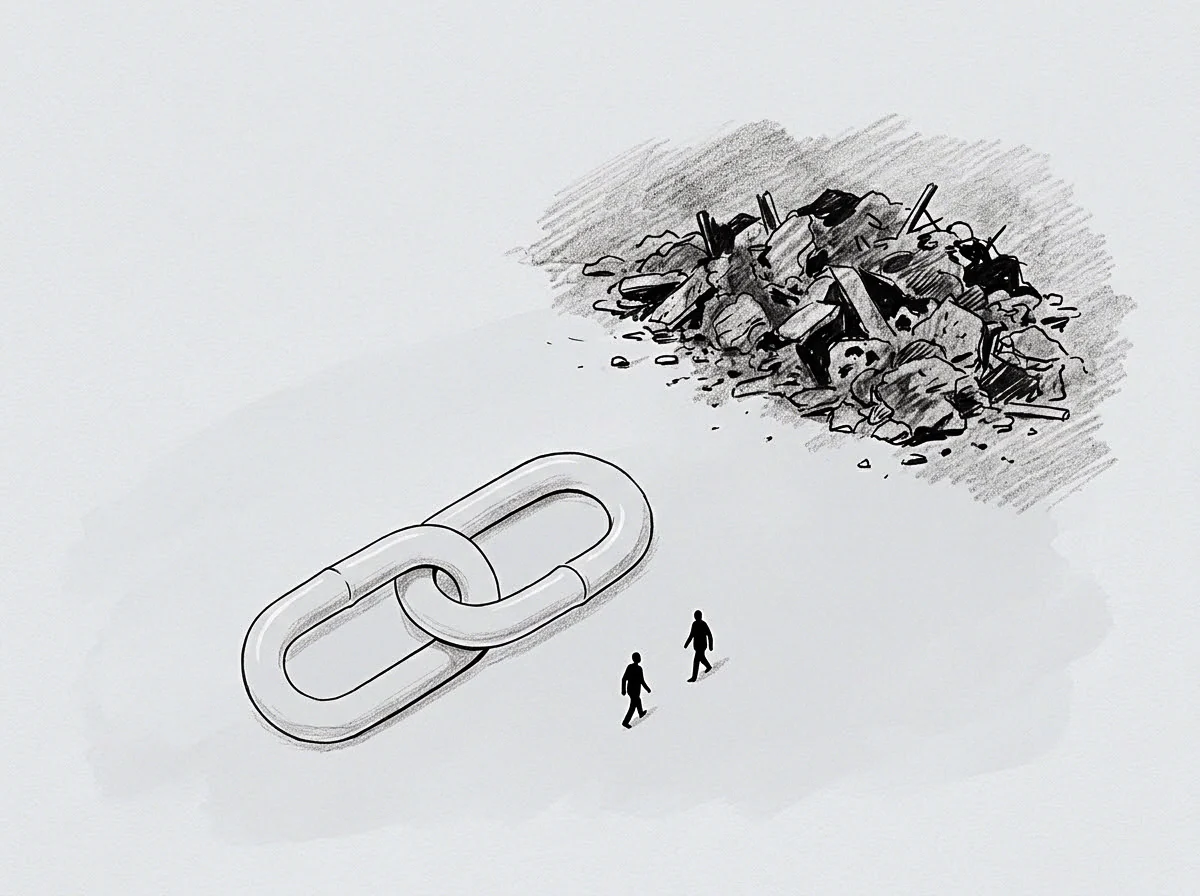
A condition, event, or datum that cannot be altered or reversed once it has occurred or been recorded, serving as an immutable baseline. An unadjustable fact establishes a fixed point in the record, beyond the ability of any party to change through negotiation or action. This type of fact dictates the boundaries of what is possible going forward, requiring adaptation to its reality.
It often arises from a completed transaction or a public statement.
Decision Constraint
Unadjustable facts introduce hard constraints into the founder’s decision-making process, directly limiting future options. Once a key resource has been allocated or a specific operational path has been taken, reversing that action is not possible, meaning subsequent choices must account for this fixed reality. For instance, the public launch date of a product, once passed, becomes an unadjustable fact around which all marketing and development schedules must align.
These facts narrow the available avenues for action, costing the founder flexibility.
Rectification Cost
While the fact itself is unchangeable, its negative consequences can sometimes be mitigated, incurring a significant rectification cost for the founder. If an unadjustable fact, such as a missed regulatory deadline or a public announcement of a product feature, creates an adverse situation, the founder must expend substantial resources, time, and attention to work around its implications rather than reversing the original event. This cost can involve redesigning entire processes, paying considerable penalties, or developing complex alternative strategies, all of which consume capacity that could otherwise be directed towards growth and value creation.
The effort is directed at living with the fact, not altering it.
Forward Trajectory
An unadjustable fact profoundly redirects the forward trajectory of an arrangement, often at a cost in missed opportunity or significantly altered plans. A founder’s earlier decision, such as signing a binding client contract with specific delivery terms or committing to a particular technology stack, becomes an immutable requirement that shapes all subsequent production and resource deployment. This commitment locks in a particular path, preventing exploration of other avenues that might have offered greater returns, less operational load, or better strategic alignment.
The presence of such a fact forces a recalibration of objectives and an acceptance of the path now laid out, with long-term consequences for the arrangement’s direction and competitive position.