
Showing up unasked
Provision and reciprocity get called by one name because both look like giving. They are not the same thing, and the difference is not manners. It is whether anyone is counting.

Arrival
Two things get called generosity. One arrives with a price attached. The other arrives.
The first is provision. Someone gives you something and a condition comes with it, stated or not: a percentage, or a thing you will now have to do in return. You can feel the condition before you can name it, and the feeling is that you have been handed a small debt dressed as a gift.
The second is reciprocity, and I had it wrong for years. I thought it was provision done politely. It is not.
It is a person showing up unprompted and giving something, and nothing else attached.
The person who taught me the difference did it without meaning to. For a long time what she gave me felt like provision, because it came with what she used to expect in return. Then one day it did not.
She gave, and there was no condition on the other side of it, and that was the whole reason I could accept it. Not because it was more. Because it was unpriced.
The word that does the work is unprompted. Nobody asked. That single condition changes the category of the act.
Barter
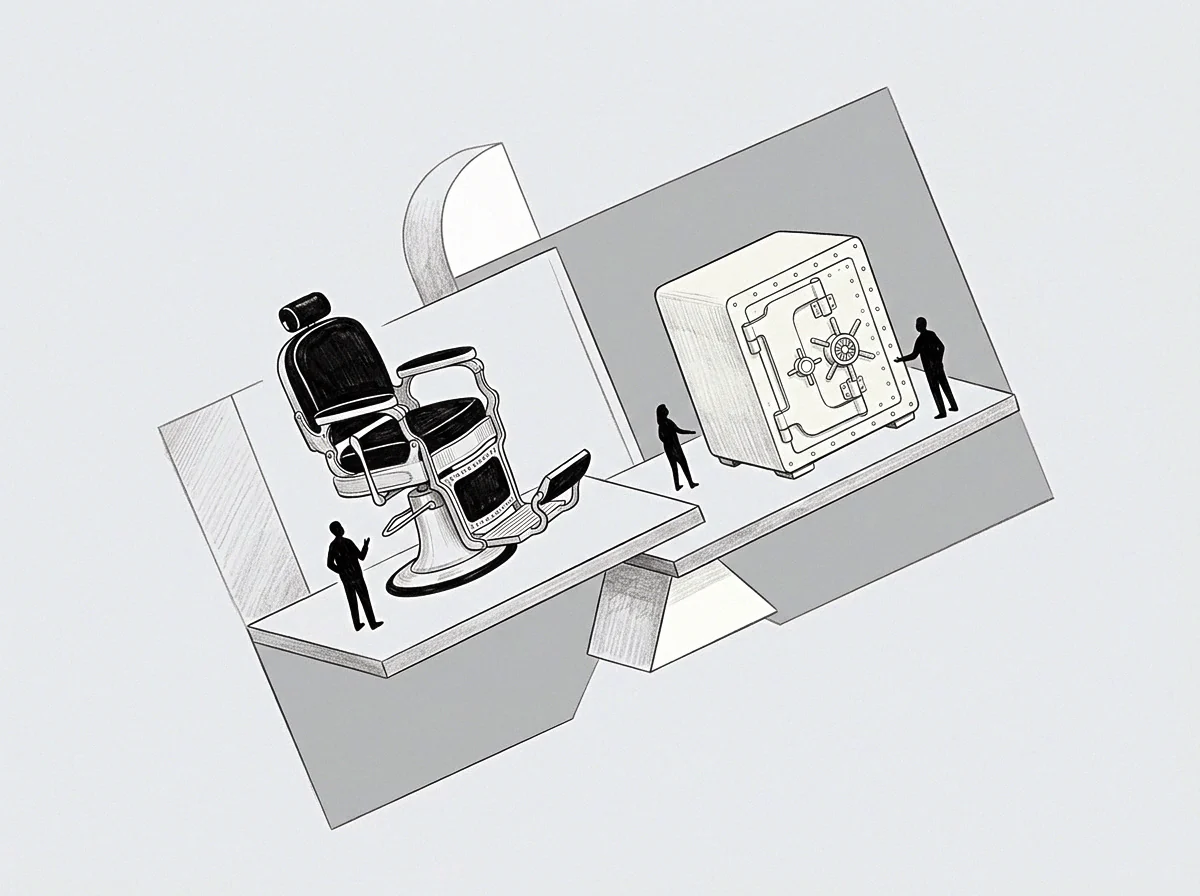
Reciprocity is a form of barter. That surprised me when I saw it, because barter sounds like the opposite of a gift, two people trading things of equal worth. But this barter is deliberately left unquantified.
Nobody weighs the two sides. The value is not that the amounts match. The value is that the person showed up.
Provision fails the moment you look at it, because looking is what it invites: here is what I gave, here is what you owe. Reciprocity survives being looked at only because there is nothing to look at. No amounts.
No running figure. Two people who keep arriving for each other, and the arriving is the whole of the exchange.
Which gives a rule of thumb for telling them apart in your own life, and it needs no number. If you could write down what you are owed, it was provision. If writing it down would feel like ruining something, it was the other thing.
Count
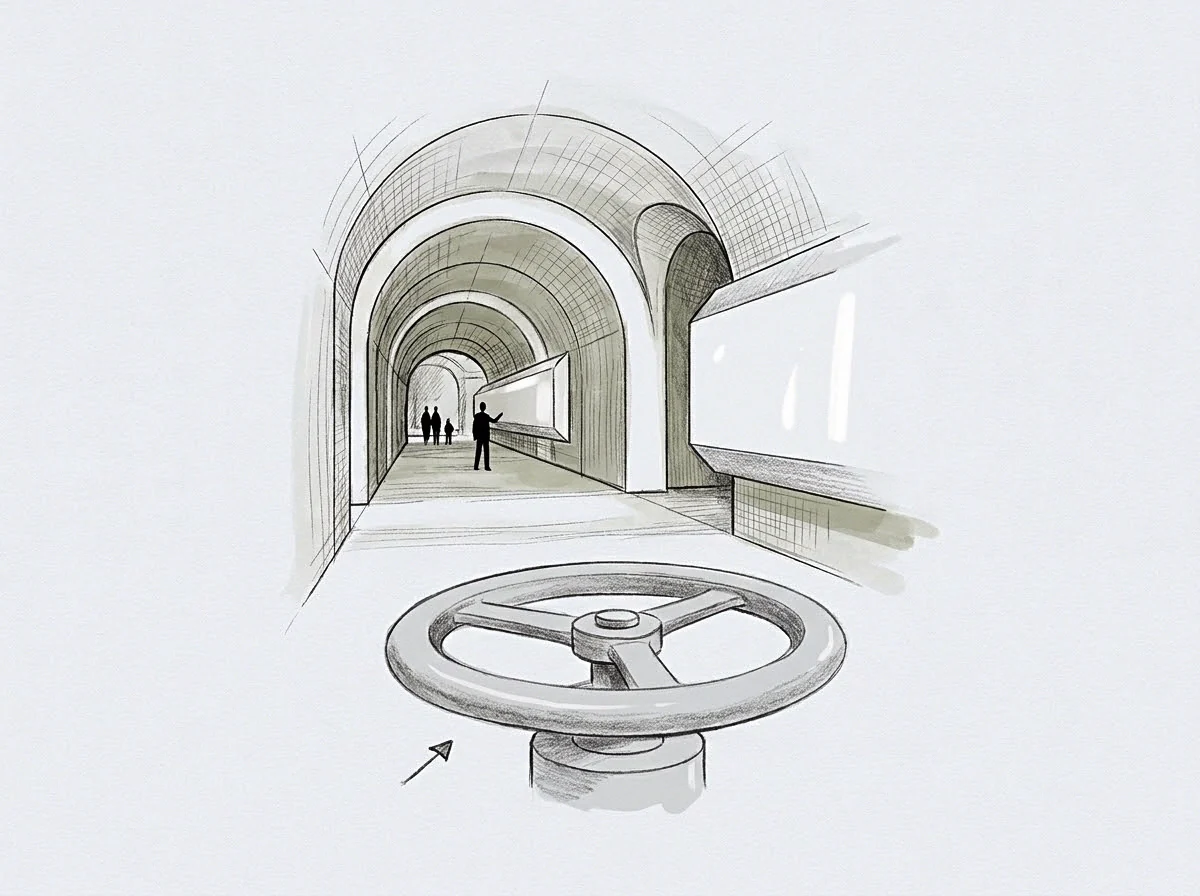
So the test is not whether things are equal. The test is whether a total is forming, and who can see it.
In reciprocity nothing is counted, so nothing accrues. There is no total anywhere. In provision a total forms, and the trouble is that usually only one party can see it.
The giver keeps the figure. The receiver finds out it exists on the day it is presented, and by then the sum is large and the surprise is the bill.
I was on the receiving side of that for a long time. What arrived came with its price attached, and I could feel the price before I could have told you what it was, which is why what looked like help was so hard to take. What it cost was not the goods.
It was the thing the giving was supposed to be building.
That is the cost of getting this wrong. You do not lose the goods. You lose the person, and you lose them at the exact moment you thought you were being generous.