
Environment
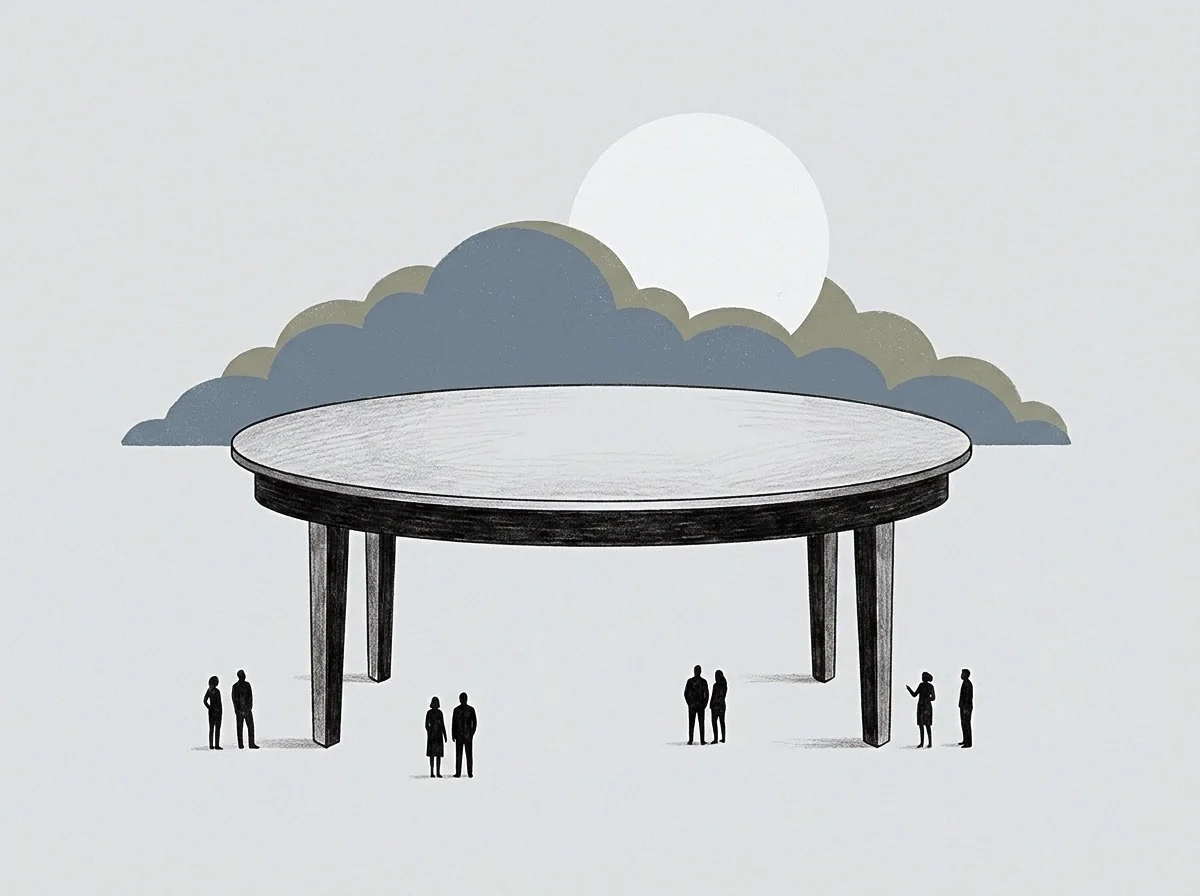
For years the arrangement's books had a line for everyone whose position was decided. Mine was not a line. I was the conditions the lines sat in, and I let that stand, because naming myself as load-bearing felt like asking to be thanked.
Position
There is a difference between being in an arrangement and being registered in it, and I did not know the difference for a long time because I was on the wrong side of it.
A registered party has a position. It is written somewhere. When a decision about structure or money is made, the position is one of the things the decision has to pass through.
It can be argued with. It can be wrong. It exists.
The other thing is being environment. Environment is what the registered parties operate inside. It is assumed.
Nobody decides anything about it because it is not the kind of thing decisions are about, the way nobody decides about the weather before opening a shop. I was environment. My work was the conditions the arrangement ran in, and the conditions were not on the books.
The word I found for it, when I finally found one, was exactly that. Environment. Not a party with claims.
The surroundings the parties with claims took for granted.
Account
What I want to be honest about is where the frustration actually sat, because it was not where it looked.
It looked like it sat with the partner, for not registering me. It did not. He did what a person does with environment, which is nothing, and I cannot be angry at a man for not writing down the weather.
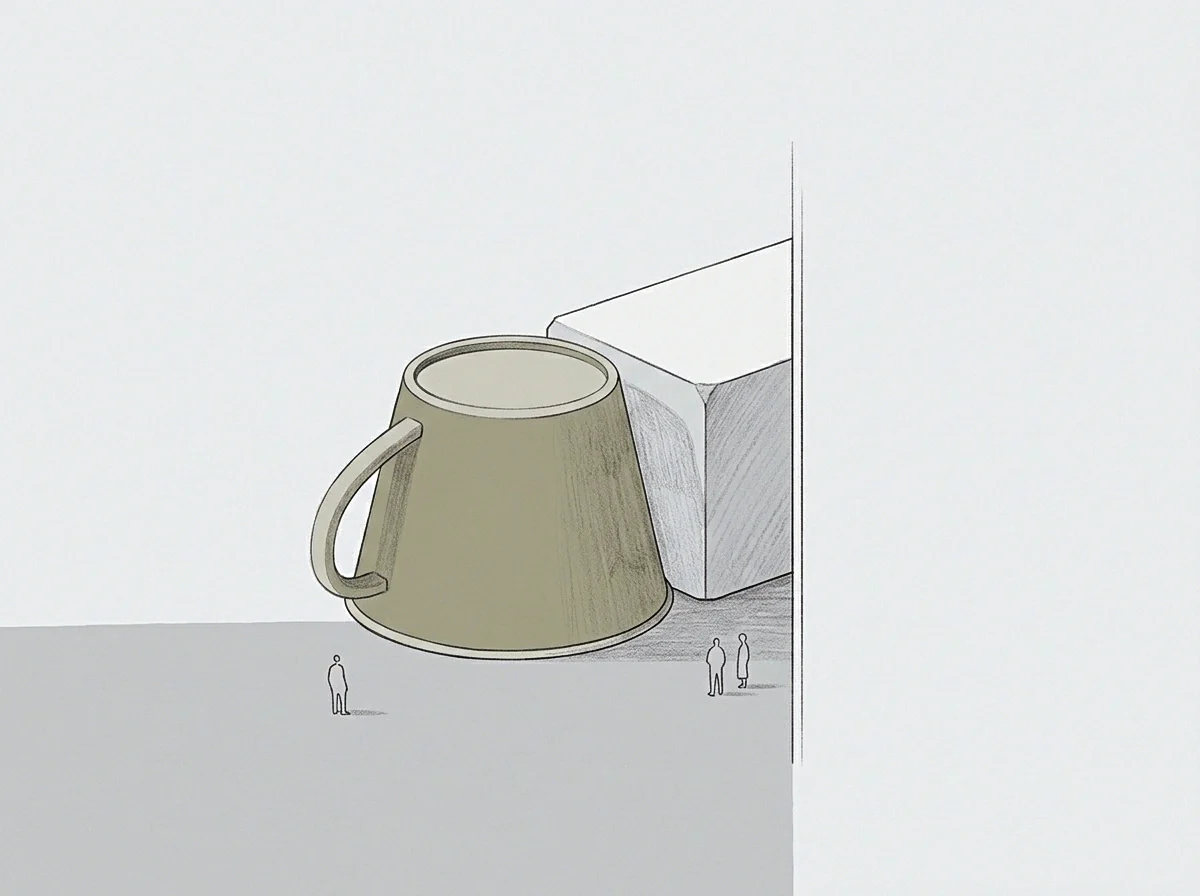
Where it sat was in the consequences. When a position is not on the books, the consequences of the decisions made around it are also not on the books, and somebody still has to hold them. That somebody was me, and the holding was going to run for another half a year after the decisions were taken, and nobody else was ever going to see it, because environment does not produce a line item when it cracks.
I read myself, that summer, as the load-bearing wall. Being the responsible one in an arrangement is the exact opposite of being the problem one, and it gets treated the same way in the accounts, which is not at all. A load-bearing wall does not get thanked.
It gets leaned on until it cracks, and the cracking is the first time anyone notices it was holding anything.
The rule I took from that is short. If you cannot point to the line where your position is recorded, you are not underpaid. You are environment, and the fix is not a raise.
Name
So why did I let it stand?
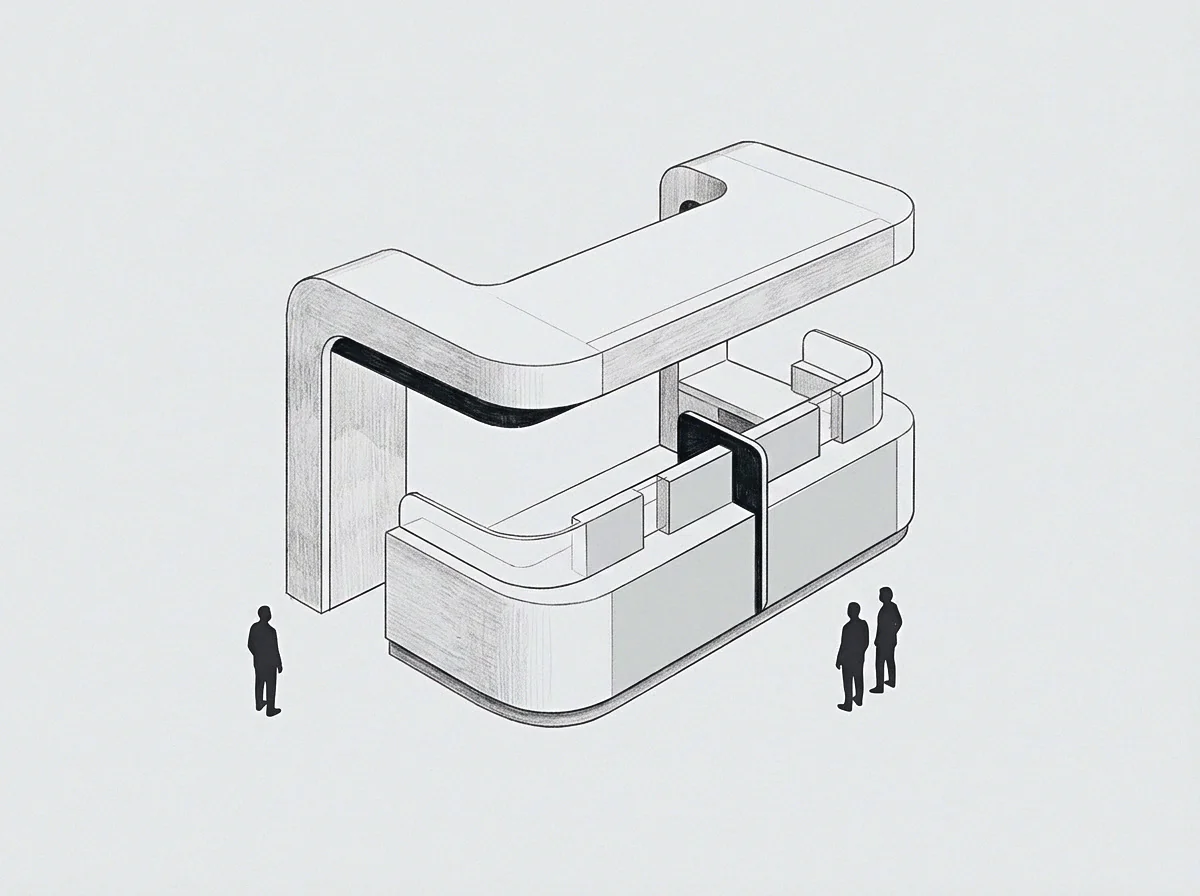
Because the alternative was naming myself. Standing up in the arrangement and saying: this is load-bearing, and it is mine, and it needs a line. And every time I came close to that, it felt like asking for thanks.
It felt like the wall complaining about the roof. There is a kind of person who would rather crack than say that sentence out loud, and for a long time I was that person.
Here is the thing that finally made it easier. The product the whole structure was being built around was not something I had wanted. It was the partner’s idea.
I never needed that income, I would have been fine watching the entity that housed it fold, and I had carried it anyway, as environment carries things, because carrying was what I did. Once I saw that, the sentence stopped being a request for gratitude and became a statement of fact. I was holding something I had not chosen, for someone who had not registered me, and the only person who could put that on the page was me.
I still do not know whether naming yourself load-bearing is a claim or a confession. Maybe that is the wrong question. What I know is that nobody else was going to write the line, and that a wall that never says what it holds gets exactly the treatment it has agreed to.