Meaning
Unpriced background conditions form the environment in which formal roles and budgeted line items function. In post-founding arrangements, weather describes the ongoing ambient friction and informal stress absorbed directly by an operator without line assignment. This unpriced layer governs the personal energy and attention required to preserve day to day continuity across shifting financial and technical climates.
The boundary of weather stops where external volatility is formally recognized, priced, and delegated to designated seats or contracted service agreements.
Ambient Load
Operating outside structured job descriptions creates a continuous drawdown on individual focus and personal time. When an arrangement relies on unmanaged weather to absorb unexpected shocks, the founder absorbs the cost in personal capacity rather than recorded financial expenditure. Routine friction that remains unpriced tends to expand until formal boundaries are re-established.
A seat defined purely by explicit outputs leaves all unassigned ambient drag falling upon the person who retains residual ownership.
Absorption Mechanism
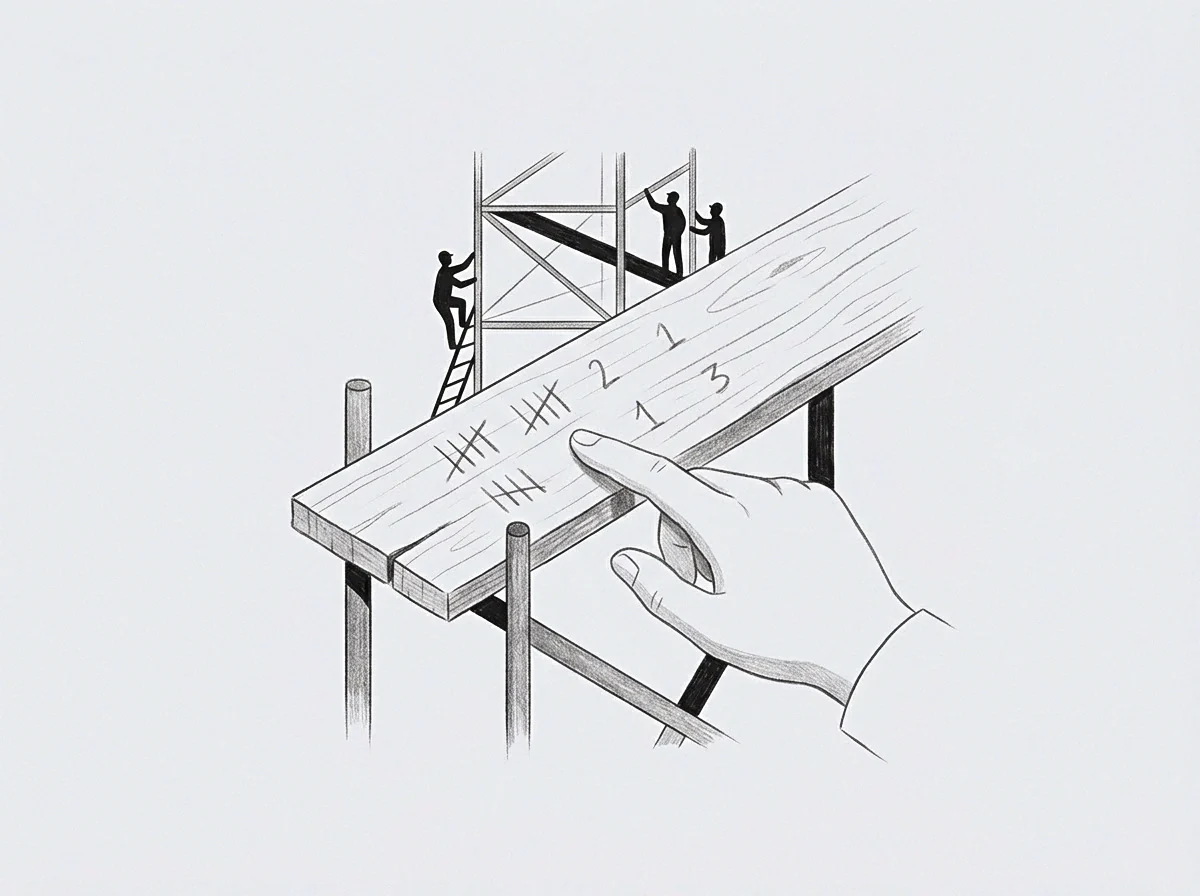
Informal buffering occurs when an operator privately intercepts systemic interruptions before those disruptions reach structured teams or external partners. This direct interception turns random weather into a predictable baseline for surrounding staff, disguising true costs behind individual tolerance. Shocks move through four distinct channels, including customer friction, unexpected regulatory requests, technical drift, and cash flow timing gaps.
When an unpriced interruption occurs, the operator absorbs the immediate administrative burden, adjusts schedules, reallocates personal hours, and updates risk projections. Absorbing these four vectors without recording their strain creates a false impression of stability within the underlying business model. Output efficiency appears elevated while actual capacity quietly erodes.
Every unrecorded intervention hides a systemic vulnerability that should trigger structural adjustment. The mechanism degrades once personal capacity expires.
Unrecorded Boundary
Structural clarity requires that ambient pressures receive explicit financial or functional attribution within formal contracts. When weather remains unmeasured, accountability fragments because internal teams evaluate performance against artificial conditions. Delineating where informal absorption ends and formal protocol begins protects both long term capacity and systemic transparency.
Unpriced weather ceases to govern performance only when every ambient load is explicitly assigned to a priced role or contractual service level.