
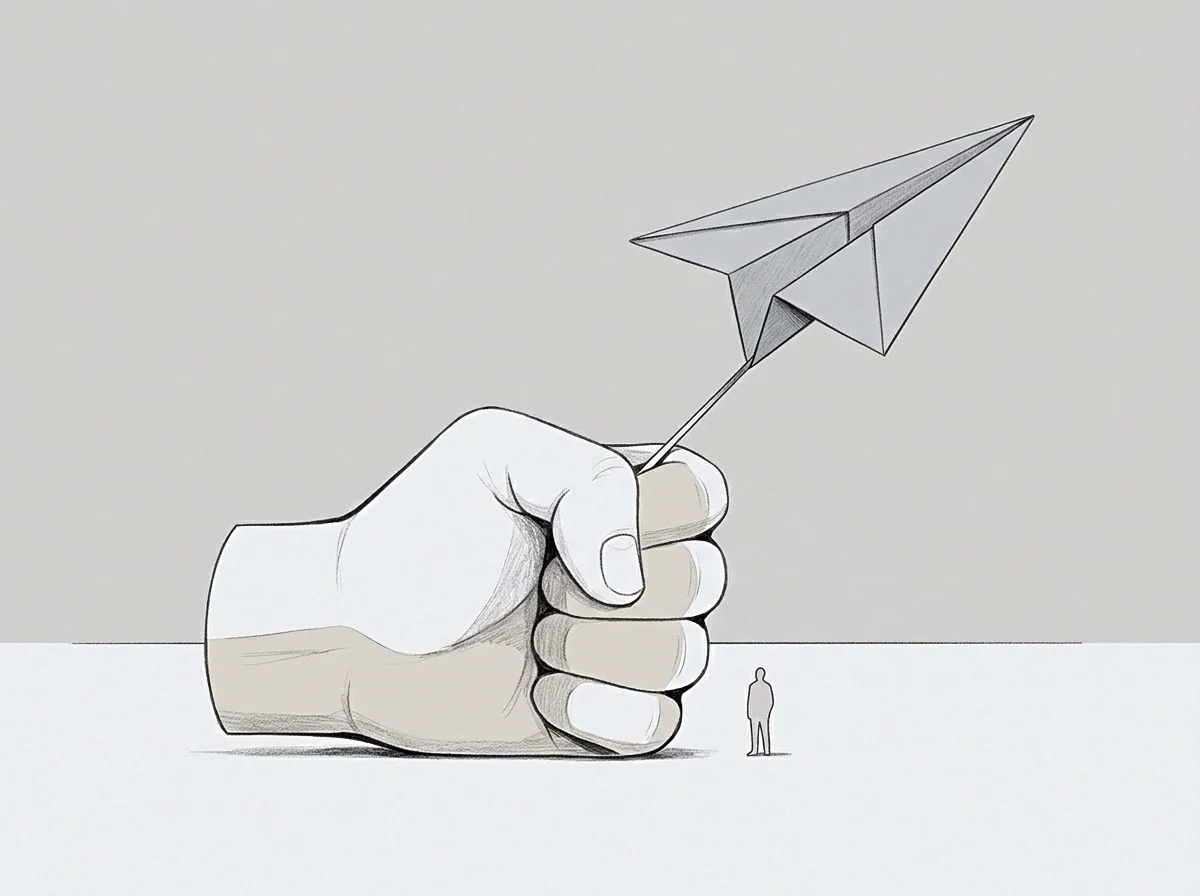
The governor
Two different things get called control, and only one of them falls apart the moment somebody says no. The other one is a limit set on my own output, metered by what actually comes back, and the week it went
Two different things get called control, and only one of them falls apart the moment somebody says no. The other one is a limit set on my own output, metered by what actually comes back, and the week it went
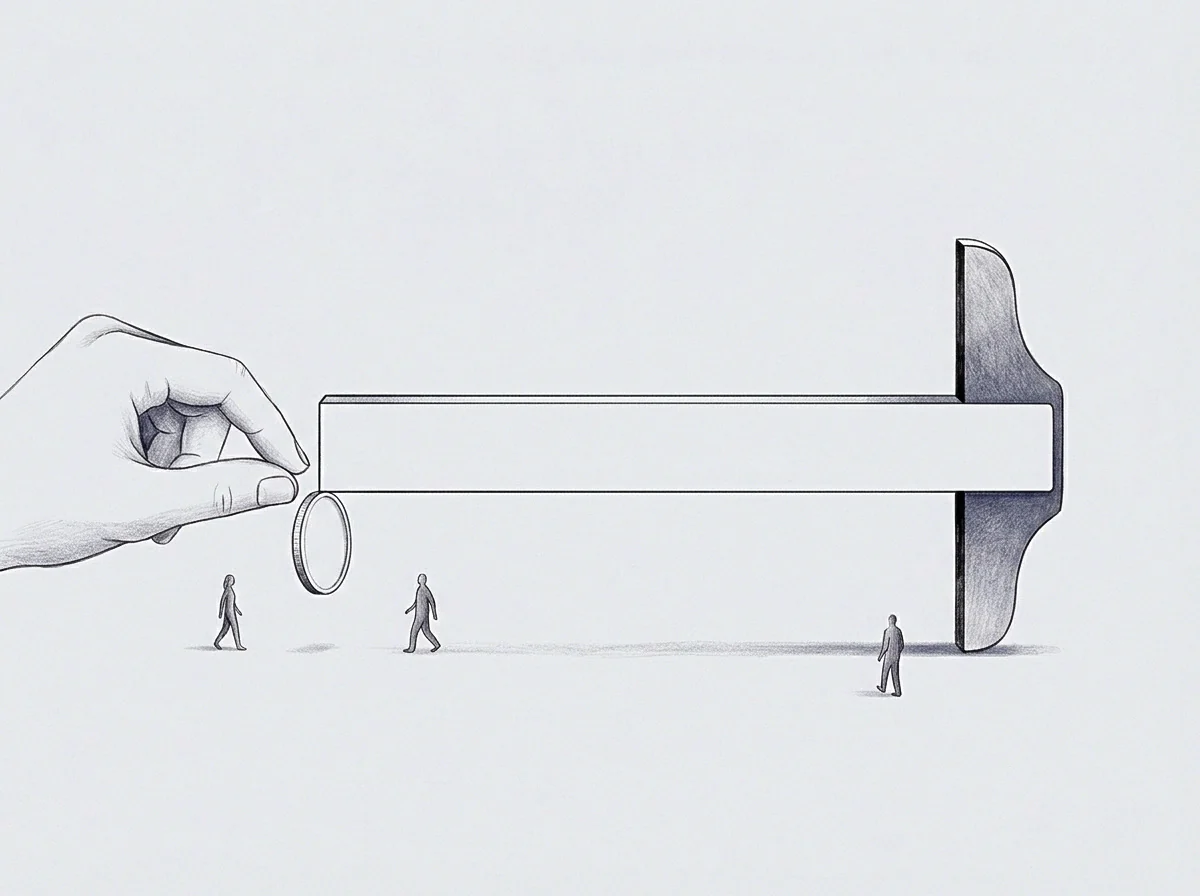
A boundary said twice is not the same sentence said more clearly, it is the same sentence with the volume up, and the volume is the distance between a thing I decided and a thing I have not done yet.
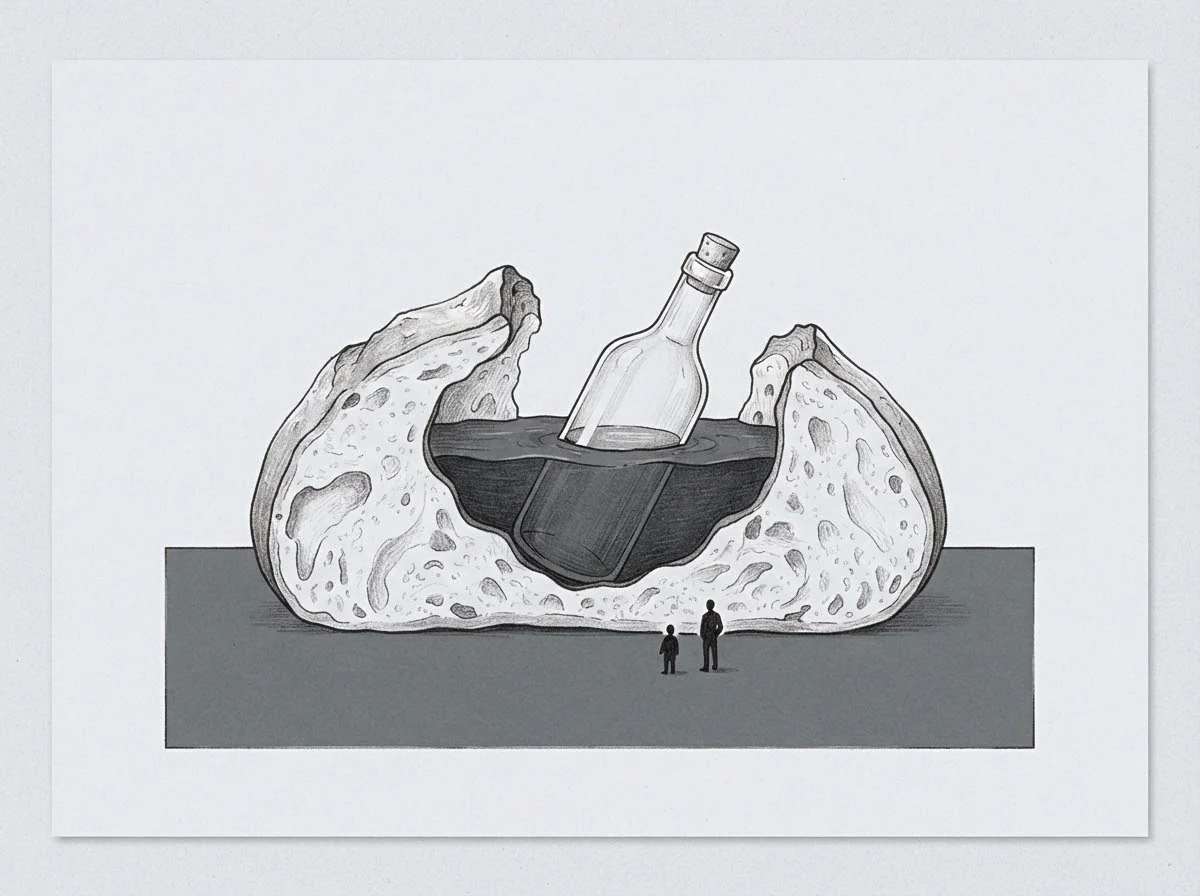
Everything the partner did not do can be written down, dated, kept. Said out loud in the room it stops being proof and turns back into my claim about his conduct, and a claim is a thing the other side
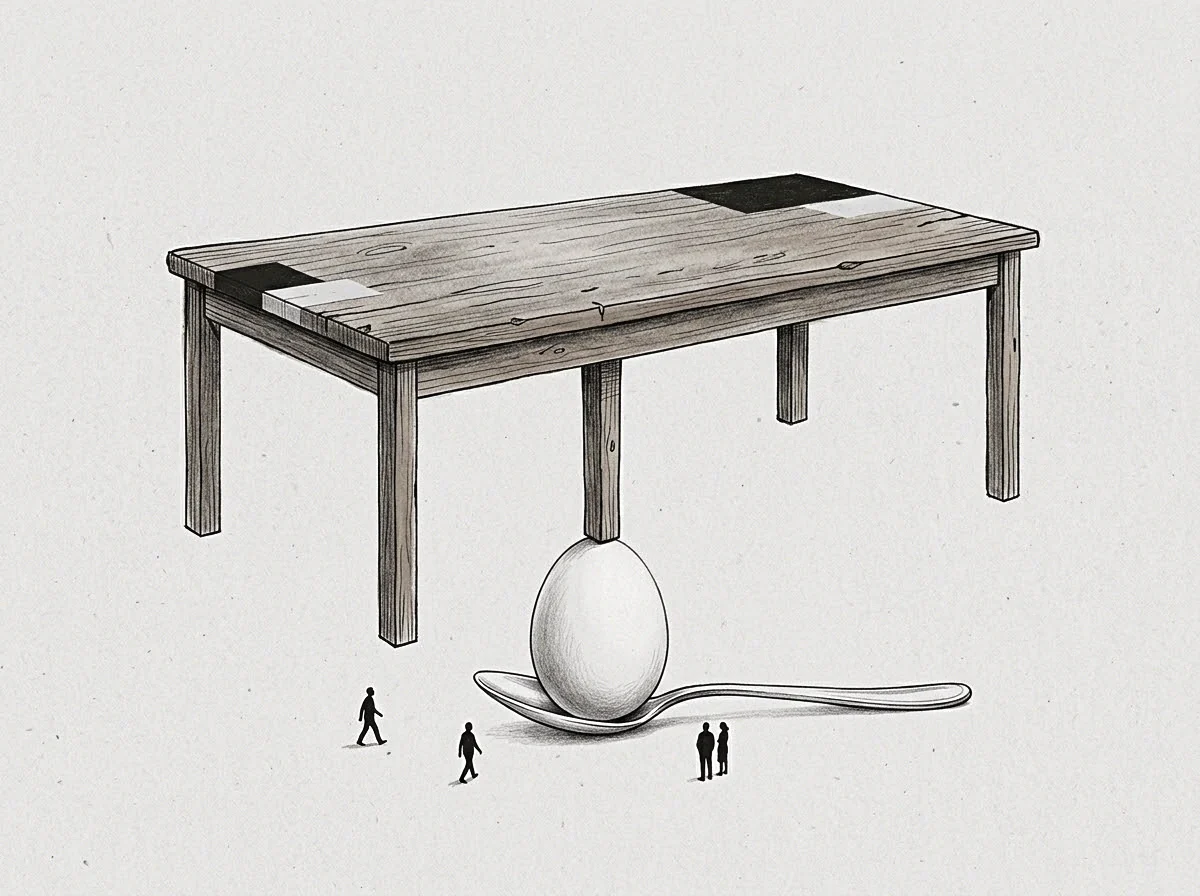
Any sentence with have to in it gets refused in me before I have read what it asks. Not laziness. A need for my own movement, pressed on early enough that it now pushes back at anything shaped like a
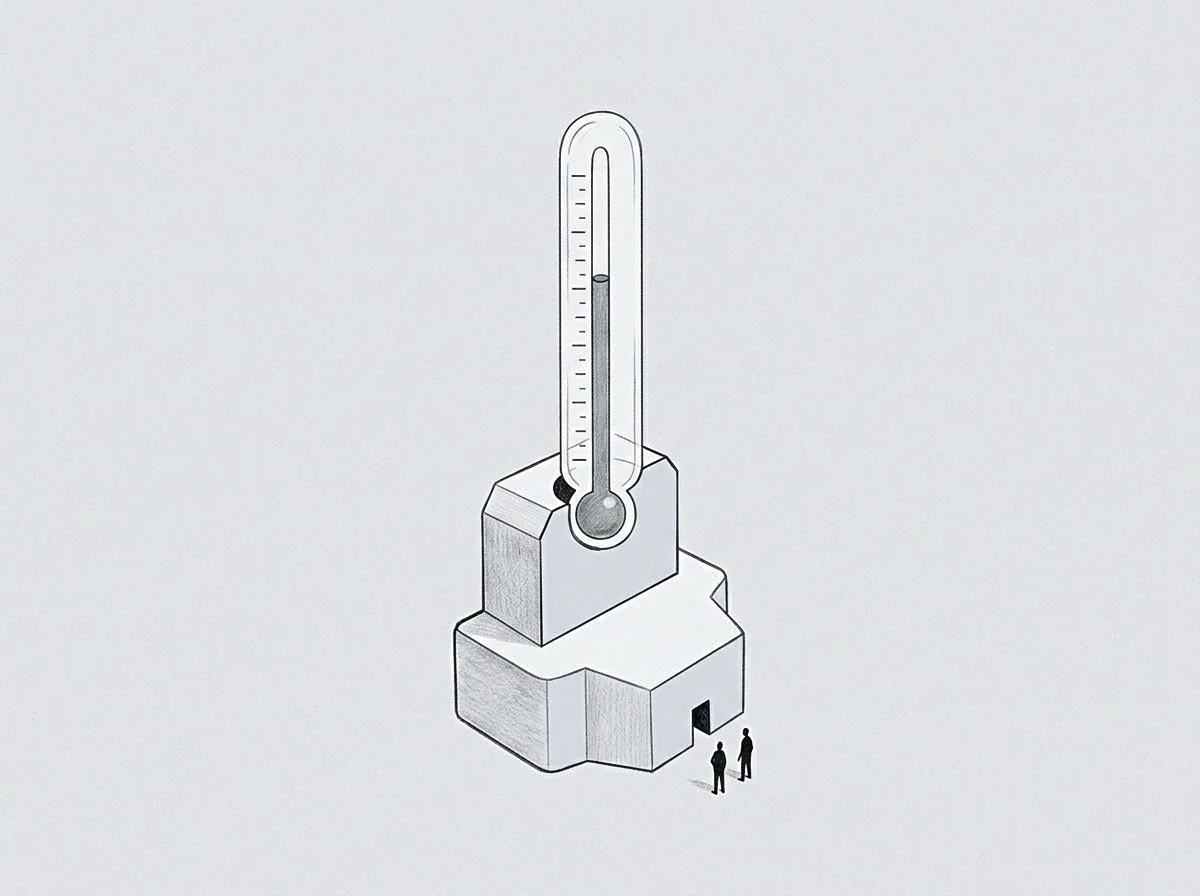
A term said before the grip forms takes nothing from anybody, and it sorts a person in the first weeks instead of years later. Said a second time, it is not persistence. It is me declining to read an answer
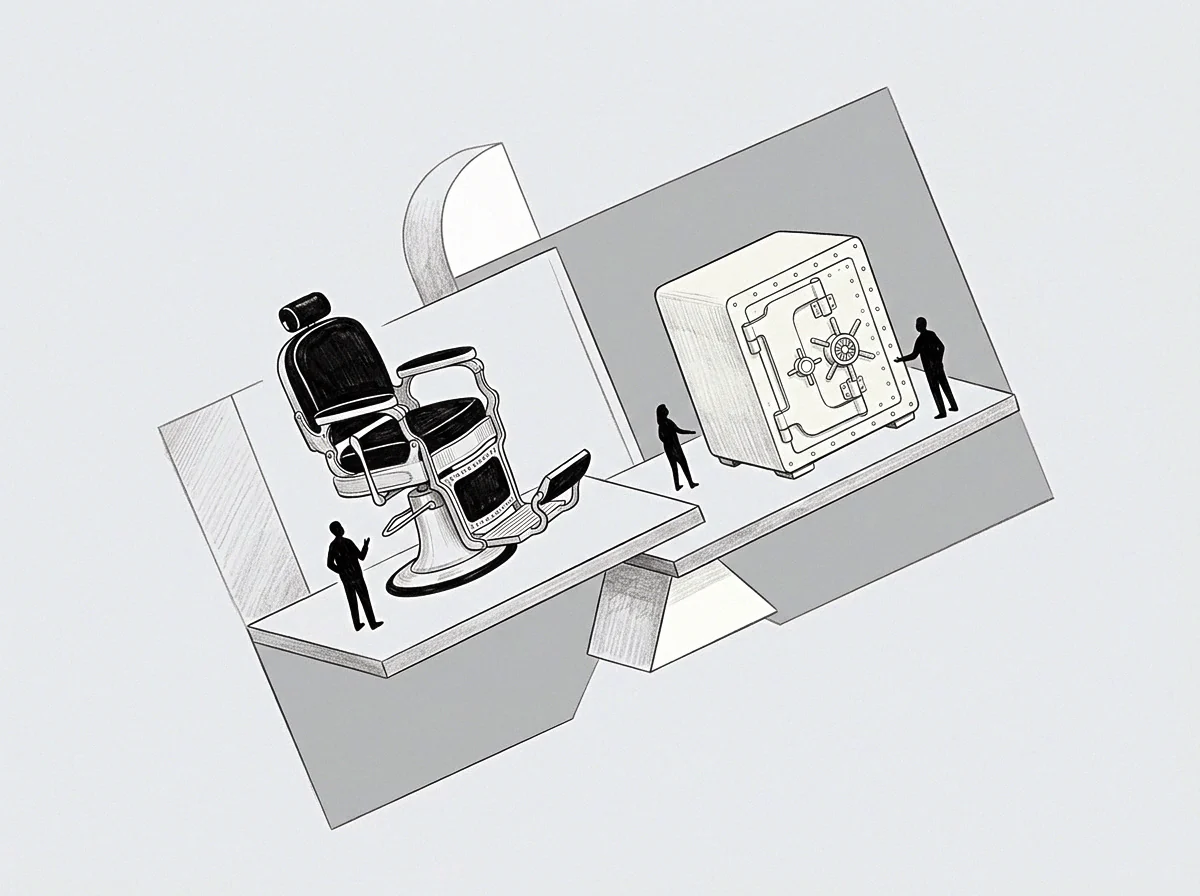
Nobody announces how available they are. The other party derives it from the position that was stated and the action that followed, which is why a cost said out loud can sit in a room for months and move nothing
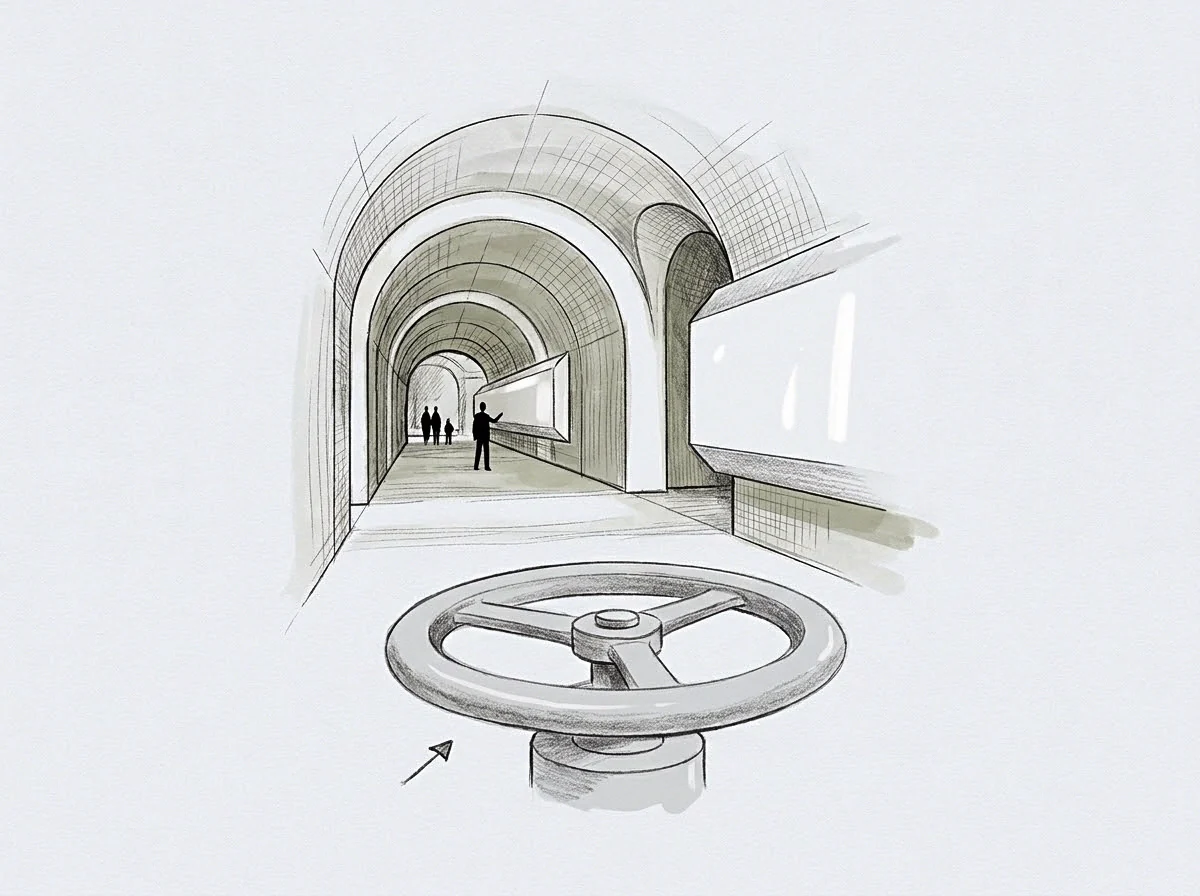
A spoken promise costs the same whether it is kept or not, so it cannot tell you which of the two you are looking at. Economics settled that in 1973, and in the same year it settled the other half:
Someone who only operates has a vacant seat above him: no party to set the terms, price the hours, or decide what the work is worth. That is why nothing ever collects from him, and why the hours he means
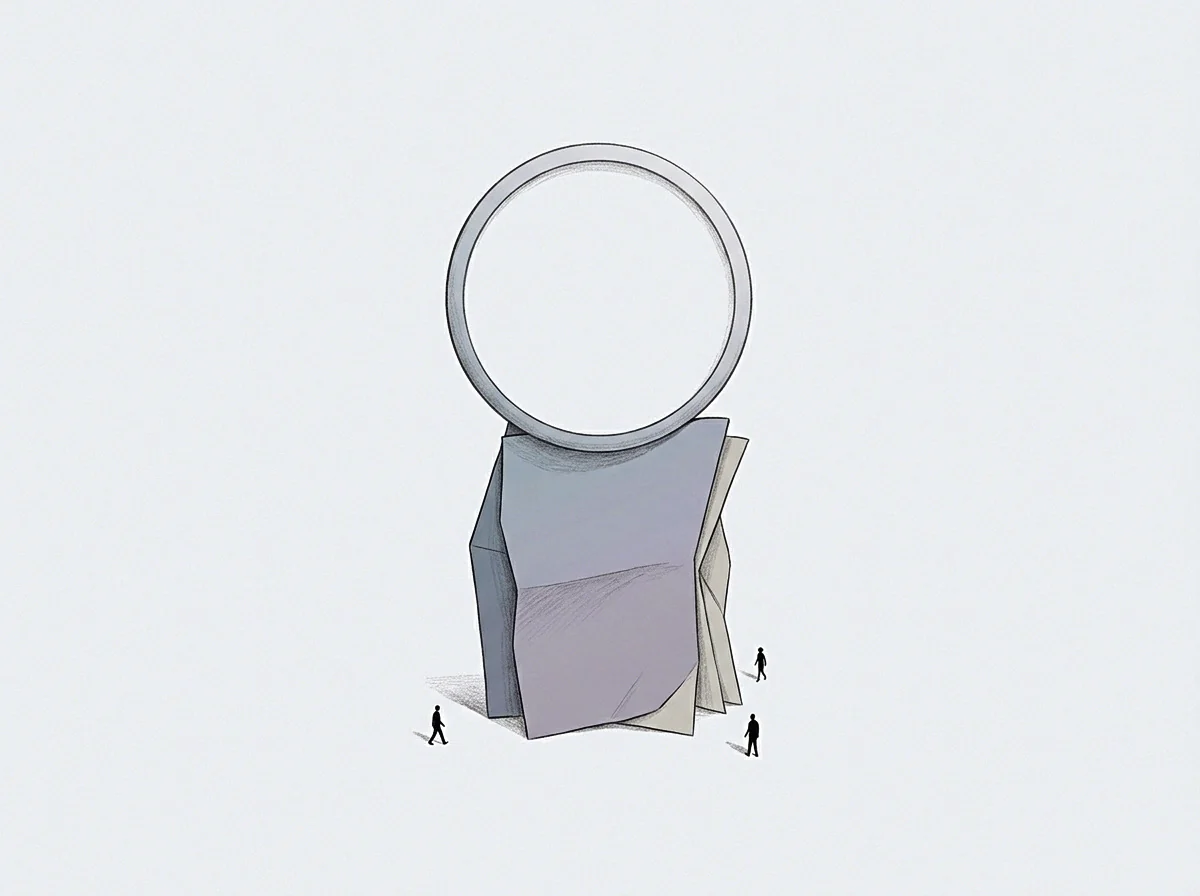
A covert contract is an agreement about what is owed that nobody ever stated. It is built from what was given, not from what was said, and it can be broken only because it was never spoken. Organisational psychology has
The terms are written where they belong. Each field holds three desks, and every entry a desk writes raises the terms it uses, each term given a meaning, a mechanism and the places it appears. The record on these pages stays first person and hand made; the fields grow the nomenclature.