
The seat that repeats across every unit
I asked who was going to run the operation and a name came back. It took me years to see that the name changes from unit to unit and the seat does not: a seat made of state gets filled instead of built wherever the one who fronts keeps none, and the pattern goes where the person goes, whatever the arrangement.
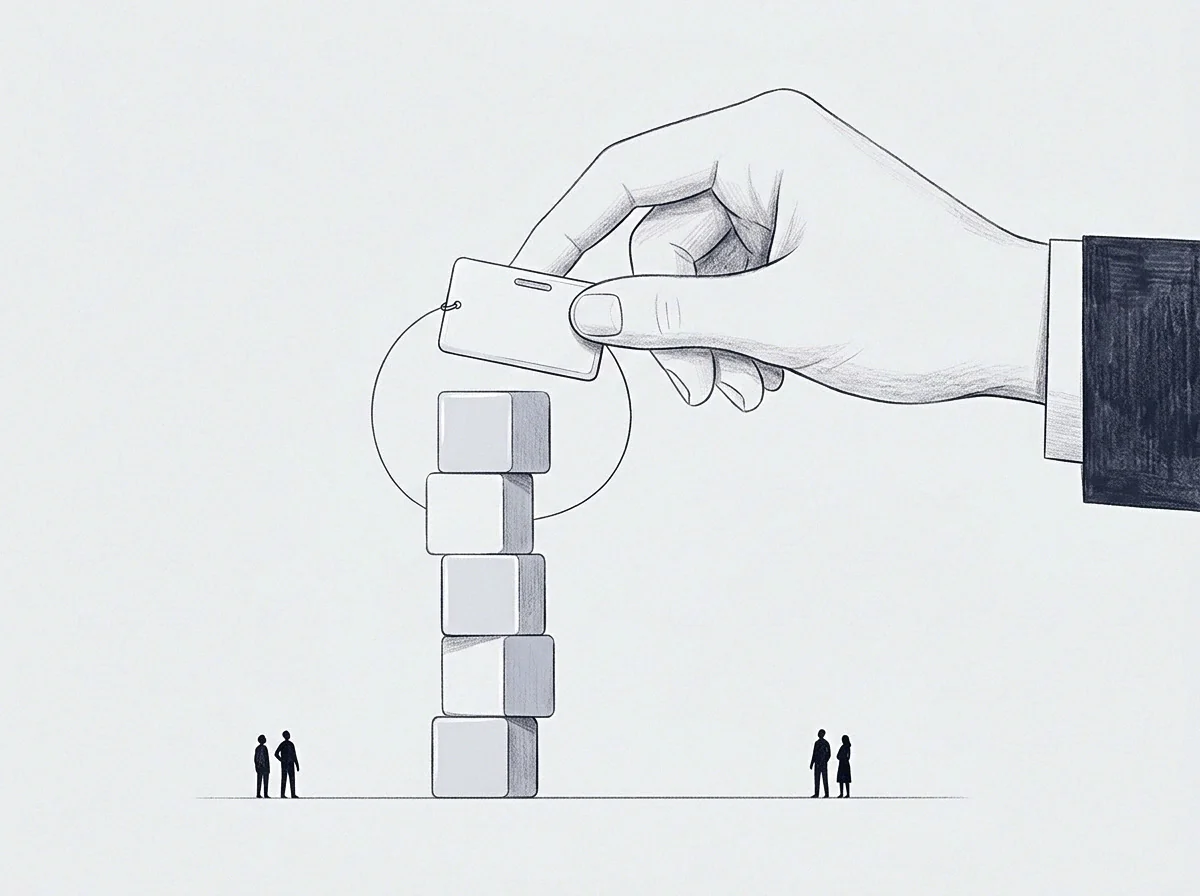
Unit
I asked who was going to run the daily operation. Not the pitch and not the relationships: the invoicing, the chasing, the close at the end of every month, the part where somebody holds the thing while it runs and answers for it when it does not. A name came back.
A name has no hours in it.
Capability is not capacity. I said it in those words at the time, and nothing since has moved it. The two get folded into one whenever a staffing question needs closing more than answering, and the fold is easy to miss because the sentence doing it is true. The person named can do the work.
That was not in doubt, and it was not what I asked. I asked where the hours come from, on which day of the month, and out of what else they get taken.
An answer of that kind is an ambiguity shelter: it cannot be checked until it has failed, and that is exactly what makes it useful to whoever gives it. In staffing form it writes a name into the seat. The chart looks full.
The work the seat stands for is as unassigned as it was the day before, and now it is harder to ask about, because asking a second time sounds like doubting a person instead of asking about a seat. By the time the answer can be checked, the question on the table is a different one.
Put a name in the seat and the seat is still empty.
A unit is any place a person works from and has to keep running: a venture, a practice, a job. Every unit has the same three seats in it, whether anybody has named them or not. One makes the thing, and that work leaves an object behind.
One carries the thing outward, to clients, to money, to whoever has to believe in it before it exists. The third holds the thing while it runs. That one is the manager seat, and it is the seat people answer with a name.
A seat can be worn or held. It is worn when a name hangs on it, and it is held when somebody’s hours go into it on the day they fall due. Worn against held is a difference no chart shows until that day comes.
So I listen now to the shape of the answer, and not to the person inside it. When the question of who holds a seat gets answered with a name, ask what stops on the first day nobody does the work.
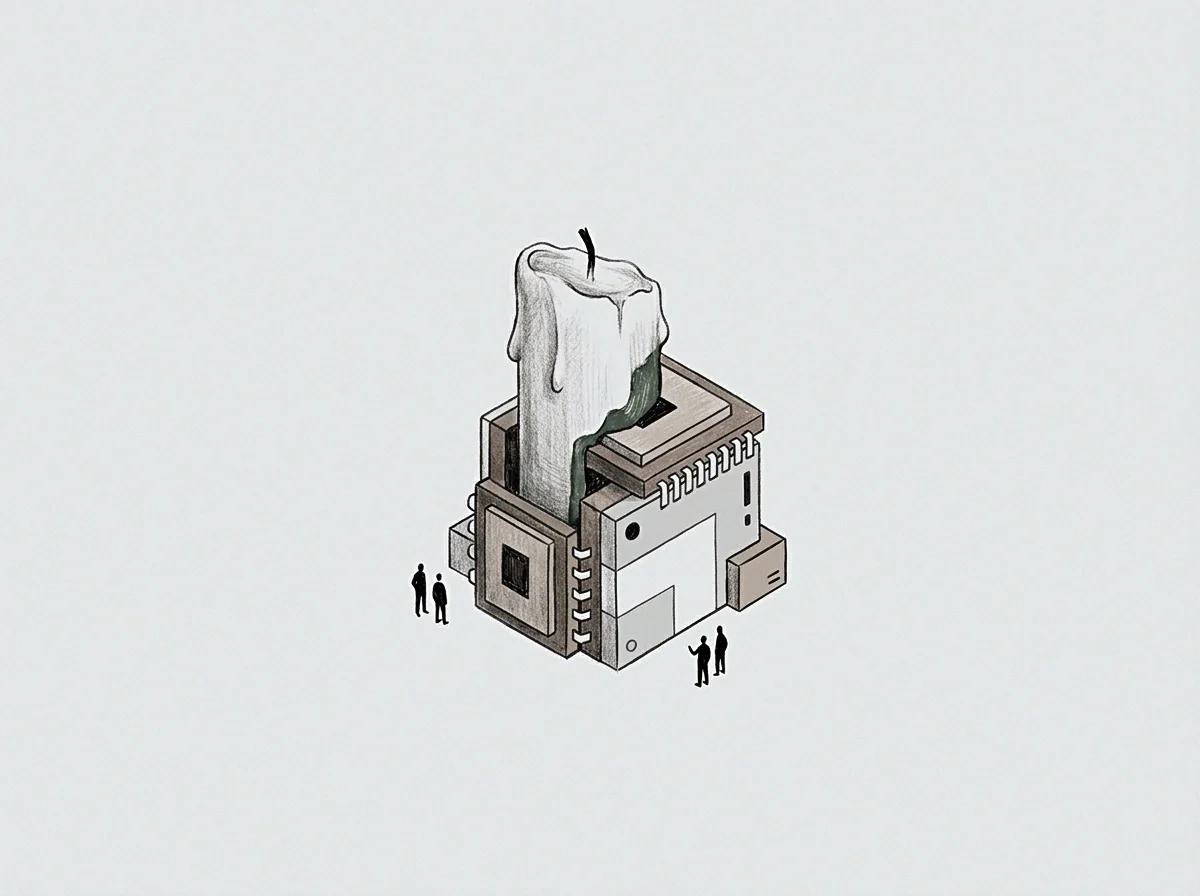
Manager
What Each Seat Leaves Behind
The technician’s work can be seen because the thing is there afterwards, on a screen or on a table, and anybody can point at it. The founder’s work can be seen in its own way: people repeat the story back months later, in their own words, and the repeating is the evidence. The manager seat, held well, leaves nothing.
Invoices go out and come back paid, nobody writes a second reminder, the split gets worked out without anybody asking for it, and the month closes without a single question about what happened in it. The better the seat is held, the less there is to point at, and a month in which nothing went wrong goes into nobody’s costing. Hold it badly for one month and it is suddenly the only subject in the room.
That asymmetry sits in the seat itself. It works without anybody behaving badly.
Held well, the seat leaves nothing behind to prove that anybody held it.
I held it well, and that is why there is nothing to show.
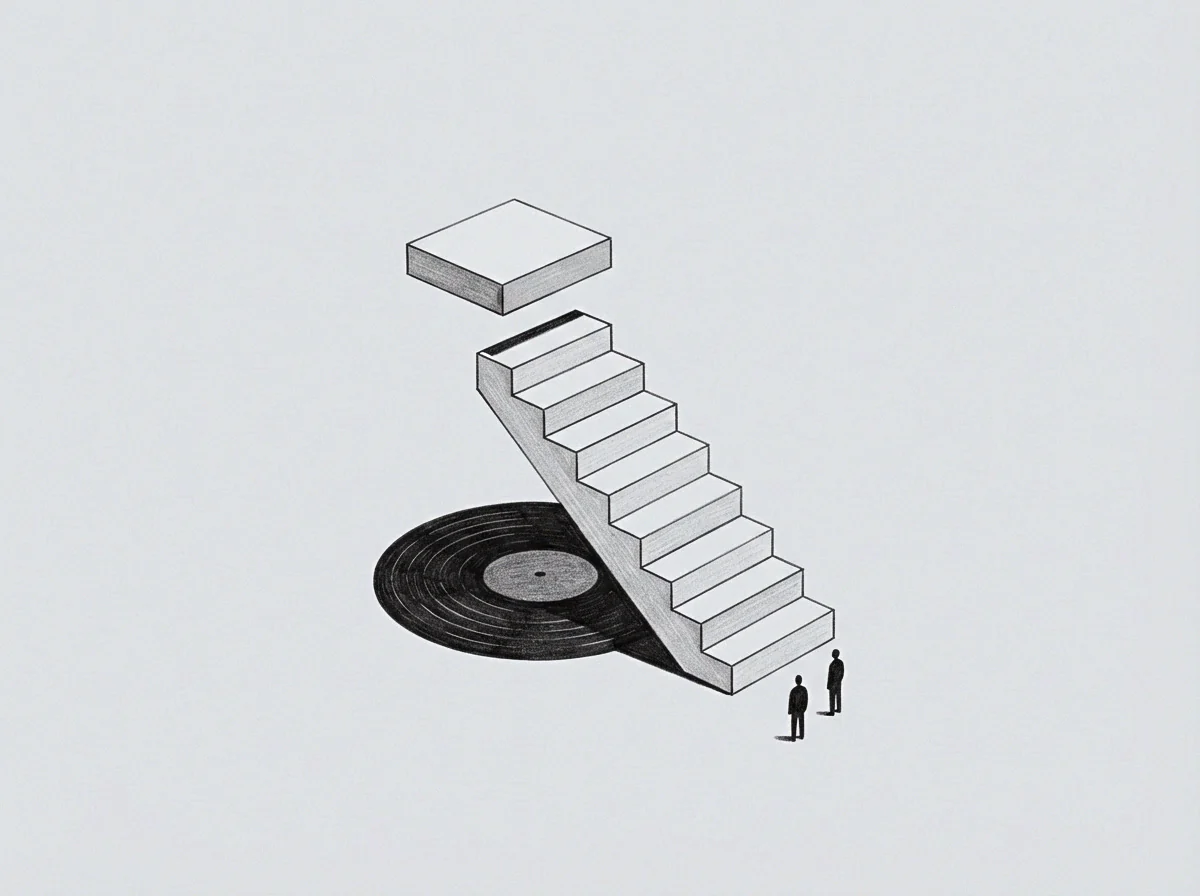
The Seat Held Twice
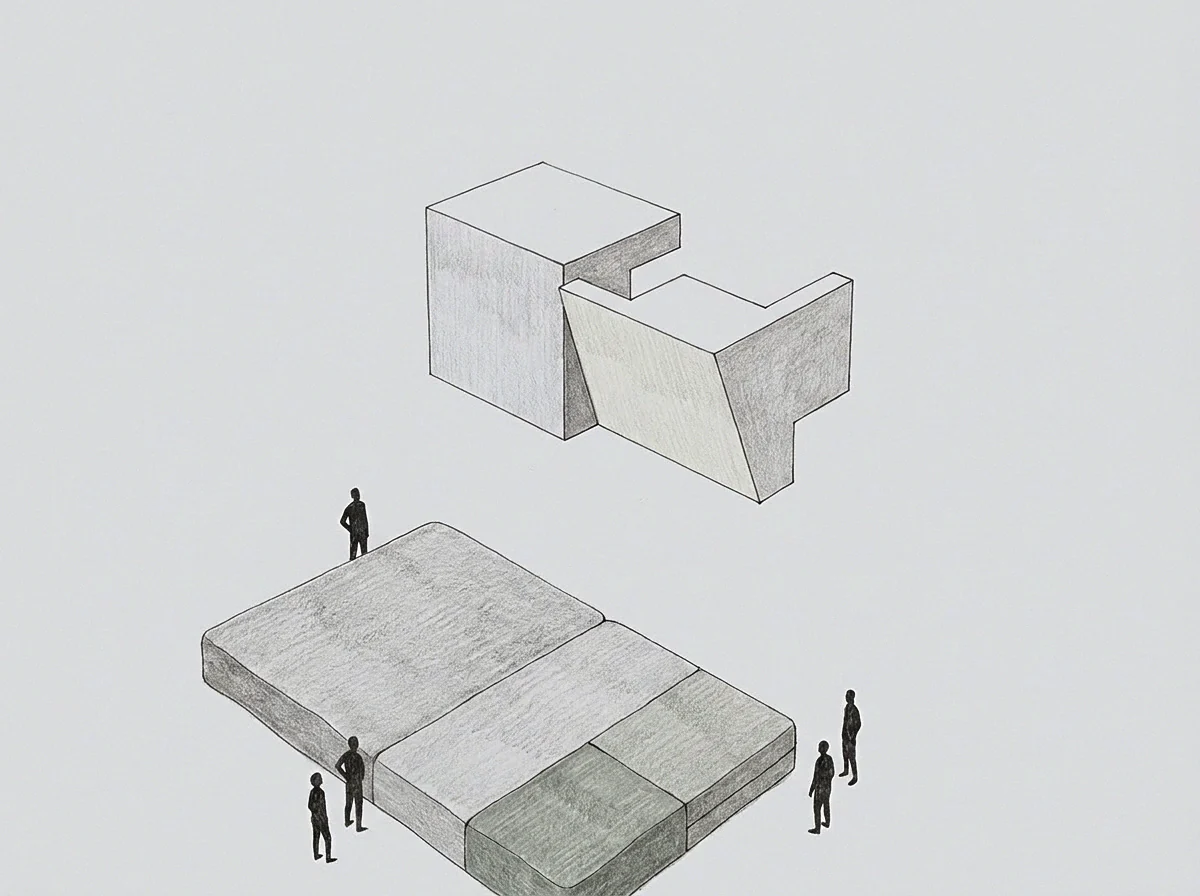
A unit can hold one seat twice and another not at all. The seat that carries the thing outward gets two occupants, the seat that holds the thing while it runs gets none, and the unit makes friction on its own.
That friction reads as temperament, because temperament is what a room can see. It is the seat map. Effort lands twice on work that is already covered, the work nobody wants stays unheld, and the unit stops growing at what one person can carry, whoever sits in the seats.
Where the Work Lands
Absorbed work comes in with no terms on it, so nothing says where it lands.
It does not stay as hours, either. I paid for the tools the seat ran on, the time went in from my side too, and what came out at the other end landed in an entity that was not mine. The cost sat in my books.
The evidence sat in the counterparty’s. When an arrangement like that stops, the hours spent inside it do not sit anywhere at all.
Not underpaid. Unplaced.
So there is one line in my rules. Nothing of mine routes through the counterparty’s entity again: not a payment, not a subscription, not one tool with my name on the invoice and somebody else’s company in the path. I wrote it out of what had already happened, some time before I could have explained it.
The line changes nothing about the money, and it was not mainly about money in the first place. It moves the evidence. From the day it went in, the record of my work sits in books I can open without asking anybody.
Building
The three seats are older than my use of them. Michael Gerber set them out in 1986 in The E-Myth, a book about why most small businesses do not work, and wrote it again in 1995 as The E-Myth Revisited, told as one long conversation with the owner of a small pie shop. Gerber’s claim is that whoever starts a business is three people at once: an entrepreneur who holds where the thing is going, a manager who wants order, and a technician who does the work, and that in most small businesses the technician is the one in charge.
I call the first of those the founder. Gerber’s manager is the part that wants planning, predictability, a business that behaves tomorrow the way it behaved today. Read closely, that manager is not somebody you hire.
It is a structure: the routine, the written procedure, the page that says what happens on which day, built so that it runs the same whoever is standing in it.
The part of the book that describes the seat I sat in is its middle. Gerber divides the life of a small business into infancy, adolescence and maturity, and adolescence starts on the day the owner, drowning in work, decides to get some help. The owner finds somebody capable, hands over a whole piece of the work, and walks away from it relieved.
Gerber will not call that delegation. The name in the book is management by abdication. The work has gone to a person, nothing has been built under the person, and nobody can see how it is going until it goes wrong, at which point it lands back on the owner’s desk.
The cure takes up the rest of the book: build the business as if it were the prototype for a franchise, a model meant to be copied, so that it runs on its systems and not on anybody in particular, and spend the owner’s time building that instead of doing the work inside it. The book has been handed from adviser to owner for decades, and the sentence people carry out of it is the instruction to work on the business, not in it.
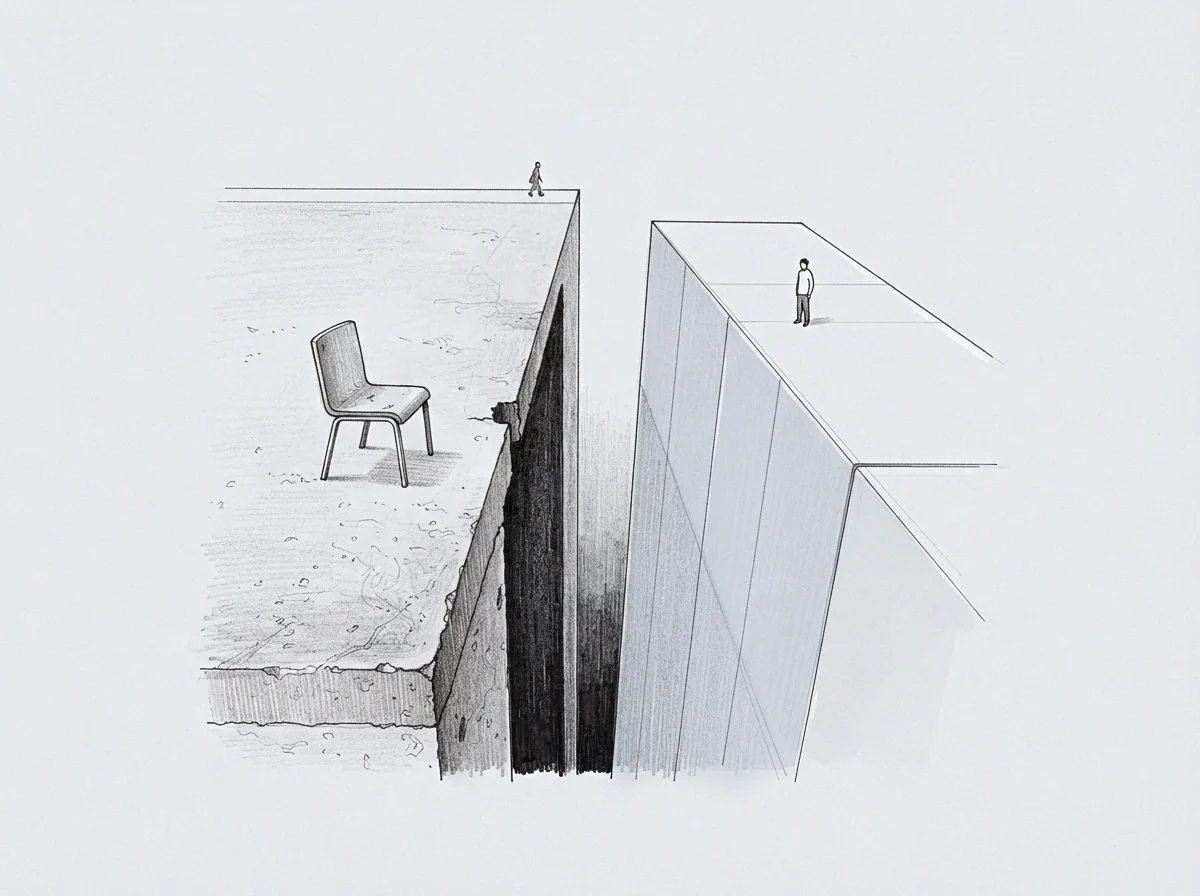
What I took from Gerber is one distinction: a seat can be built, or it can be filled. A built seat stays when the person in it leaves, because it lives in the structure. A filled seat walks out with whoever was sitting in it.
An institution is a prototype somebody else built long ago, and that is why its manager seat is already running on the first morning, for whoever walks in. Outside one, the seat has to be built, and what I watched instead was abdication done at the start, before anything existed to abdicate from: a person put in the chair, and the chair called finished. I did get my own manager seat built in the end, and it got built in exactly those hours.
I run my work now on tools that grew out of the work I was absorbing for a unit that was not mine. The tuition was real and nobody paid it, and one of those does not cancel the other.
I paid for finding it true with years as the structure a unit ran on, and no line anywhere that said so.
Pattern
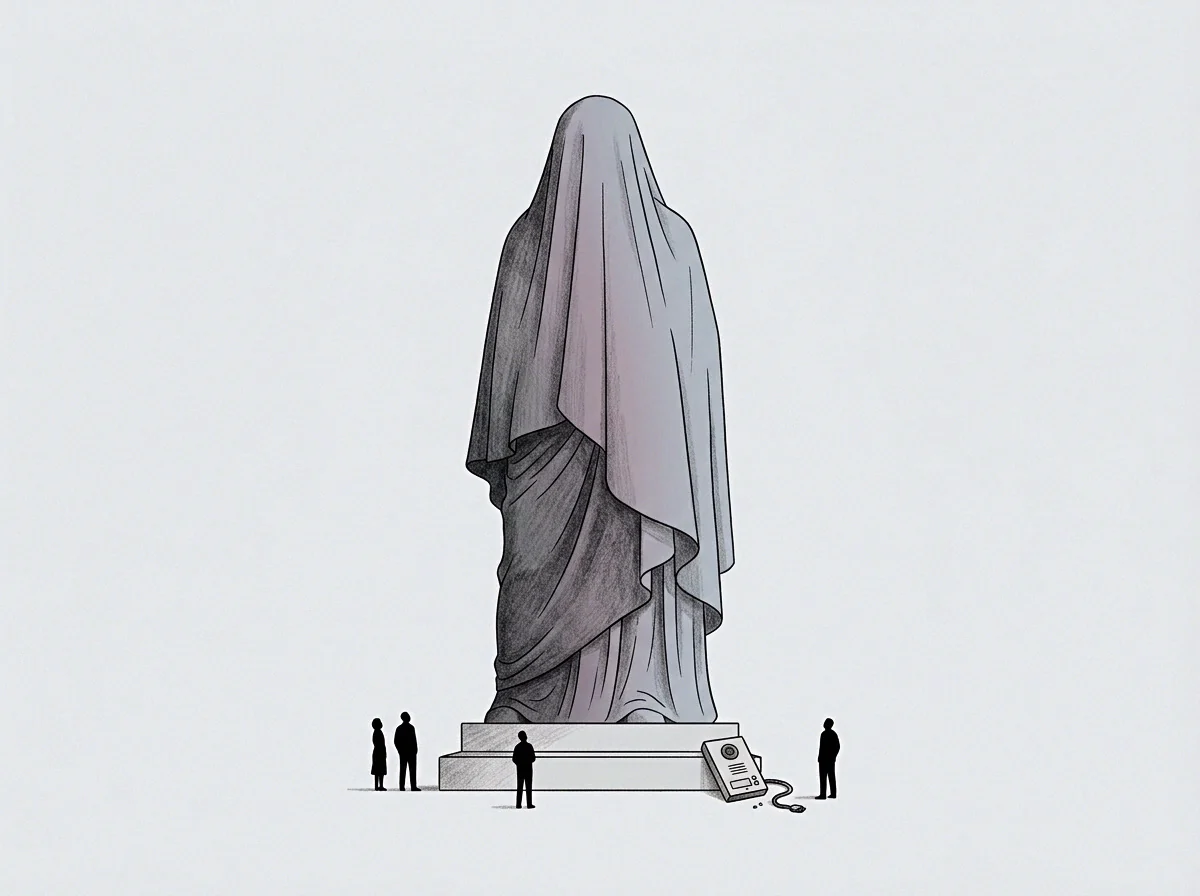
Lay the units a person runs side by side and look at one seat in each. The seat is held the same way everywhere, by somebody brought in from outside the unit, and it was arranged that way from the first day. The name in it changes with the room.
The seat does not.
Inside an institution the seat that fronts can do well for years, because the manager seat came with the building. Outside one, the seat that fronts stalls.
Where nobody builds the seat, somebody gets sat in it.
I took longer to see why it repeats. The reason is in what the manager seat is made of, and it is made of state, the known and current condition of a thing:
- what the thing costs this month
- how it is running, and against what
- what changed since anybody last looked
- what falls due next, and on which day
The seat that fronts manages the room. Who is on side, who needs a call this week, how the mood is. The manager seat manages the artifact, the thing itself and the shape it is in.
In a unit run from the room a thing carries no state. A seat made of state cannot sit where no state is kept, so it goes to whoever reads objects, in every unit, because the reason for it goes into every unit with the one who fronts.
The test costs nothing and I run it now without meaning to. I listen for one question about the condition of the thing. From the room, the questions come about the arrangement: is it still on, is everybody still good.
How the thing runs, what it costs now, what changed while nobody was watching: those do not come, and it is not neglect, because in that picture there is no condition to ask about. A request for the state of things goes into a side that keeps none and comes back empty, however many times I send it.
What was that side of the table getting from me, then, all those years, if what the seat produces is not something it keeps?
Room
The installed seat does a second job, and it is not in anybody’s terms, mine included.
Room Output and Artifact Output
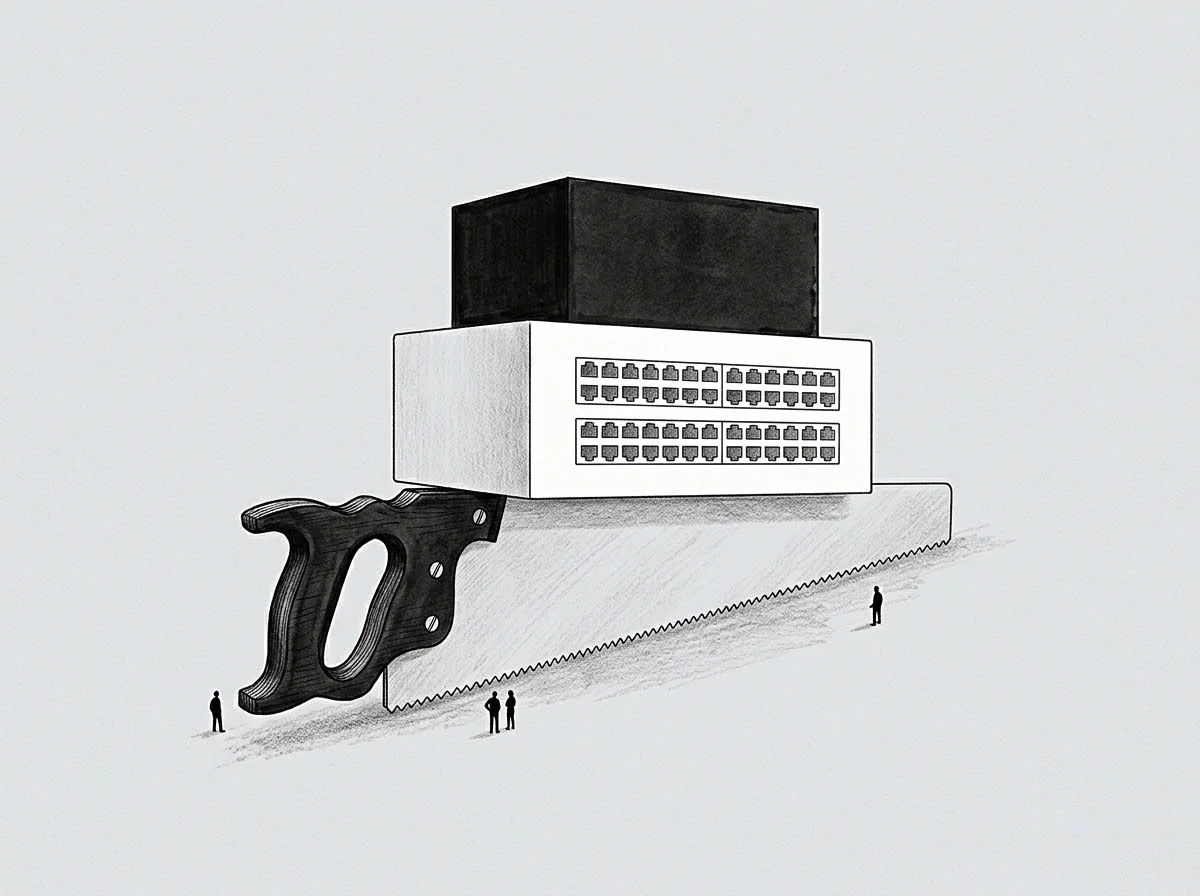
The seat that fronts manages the room, and a room has an output of its own. Inside it, with whoever holds the installed seat sitting across the table, the intention to put everything on paper turns up, and it turns up sincerely.
An intention said in a room is room output, and it lasts as long as the room does. A term is artifact output. It lasts until somebody changes it on paper.
A room can mean every word it says and still end.
So the intention came to the meetings and the terms did not come at all, and nobody was lying in between. A room was doing what rooms do.
A Condition Instead of a Side
I named my own place in it last. It was not a side of the arrangement. It was a condition: the arrangement had two sides for as long as I sat in the room with it, and when I stood up, what was left was a room that had ended.
The second arrangement, with the acquaintance who wanted to work together, had the same address. What was offered in it was offered in the room and stayed there.
Explaining the role is room output too. It lands in the room, which is where the role lives, and the role is still sitting there afterwards. Only ending the function ends it.
“All of it goes on paper next week, properly this time.”
Person
The point of laying the units side by side was not a picture of a person. A thing that turns up in each unit somebody runs is not a property of any one of those units. It is not the paper, or the market, or the split that got agreed, or the fact that I happen to be good at the work the seat that fronts does not do.
Change all of that and the configuration comes back, because it did not come from the arrangement. It came in with the person. What I actually took from the reading is worth more than the reading itself: I stopped negotiating with the arrangement.
What survives every change of terms was never in the terms.
For years I read every stall as my own drafting: a term I had not stated cleanly enough, an hour I had not asked for, a conversation I kept moving to next week. It was the seat, and the seat was set up to be held from outside long before I sat in it.
A term that needs the other side to report the state of things is written against a seat that keeps none. Waiting for a report, with nothing built to produce one, would be a covert contract with one signature on it, and the signature would be mine. The name that came back is closed as a topic, and what I hold to now works without anybody’s report:
- I keep the list of what exists, from the moment each thing arrives, and the other side answers for the items I name
- I make terms with one seat, and a seat that hands its responsibility on to somebody else still holds it
- I do not sit down with somebody who is not a party to the terms
I could see it in both arrangements long before I did anything about it. Staying cost me hours every month and leaving would have cost more, so I stayed. Then I ended the function.