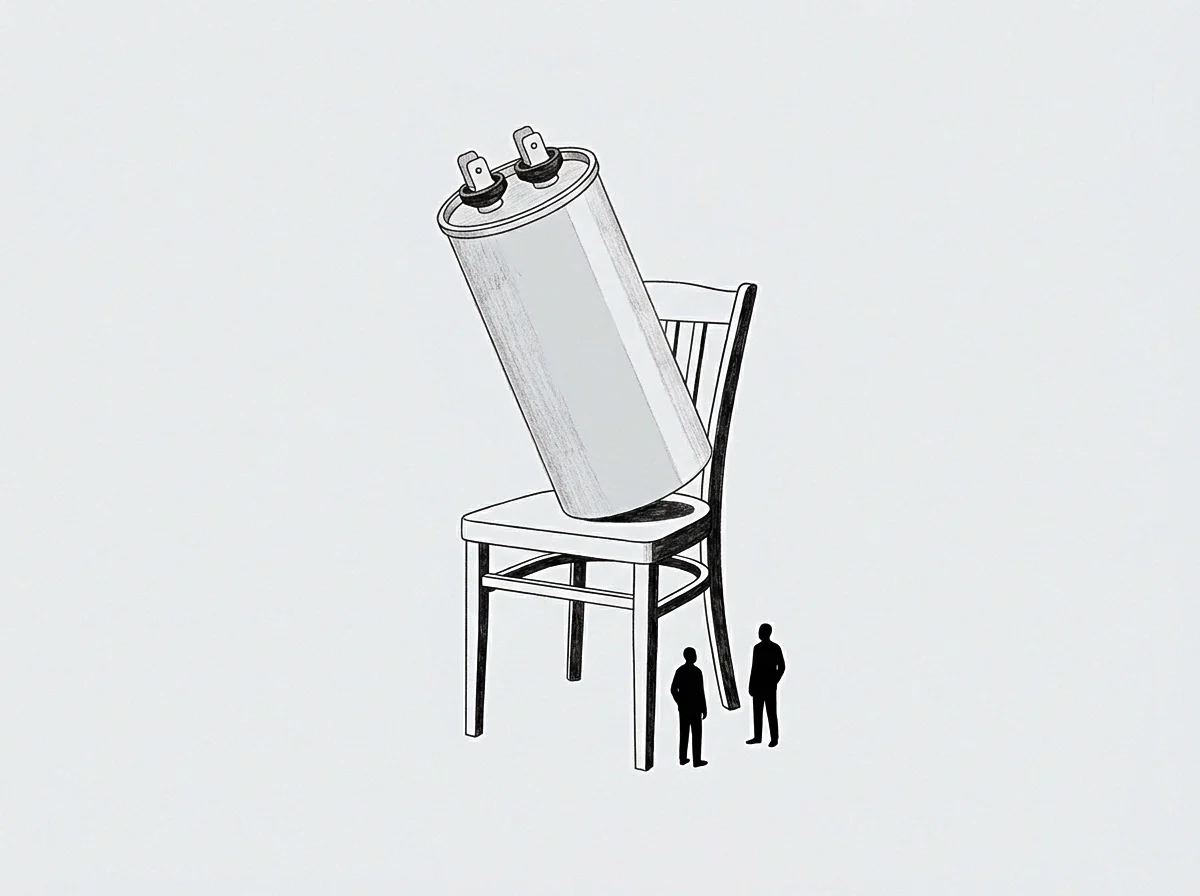
Meaning
Allocation of disparate weights to the various elements comprising a single commitment creates a structural imbalance. An asymmetric split occurs when the financial price of a decision accounts for only a fraction of its total impact on the operator. It stops at the boundary where every component of the cost is identical.
Vector Divergence
Alignment between the stated goal and the actual energy required often breaks down during the years following a handover. An asymmetric split forces the person in the seat to prioritize the invisible component because it possesses greater mass than the numerical data suggests. One element might appear minor on a financial report while simultaneously consuming the majority of the founder’s focus.
The vector decides. Direction follows the component with the greater mass.
Distribution Friction
The division of resources becomes inefficient when the primary driver of a result is isolated from the main budget. Within an asymmetric split, the secondary component often exerts a dragging force that exceeds the capacity of the primary asset. Such a mismatch produces a friction that slows the transition of a seat or the execution of a new arrangement.
A founder might find that the time required to manage a relationship outweighs the capital gained from it. Costs in hours and attention reduce the overall utility of the exchange.
Structural Cost
Long-term load carried by the operator increases when the visible reward fails to compensate for the invisible effort. Every asymmetric split creates a baseline where the regulator or the partner sees a proportional transaction while the person holding the seat experiences a drain. Such a configuration makes regulation expensive for the individual because the stated limit only applies to the countable side of the split.
The total energy spent becomes the true price of the seat. Monetary metrics alone cannot offset the load. This arrangement often results in a permanent reduction of the capacity available for new ventures.