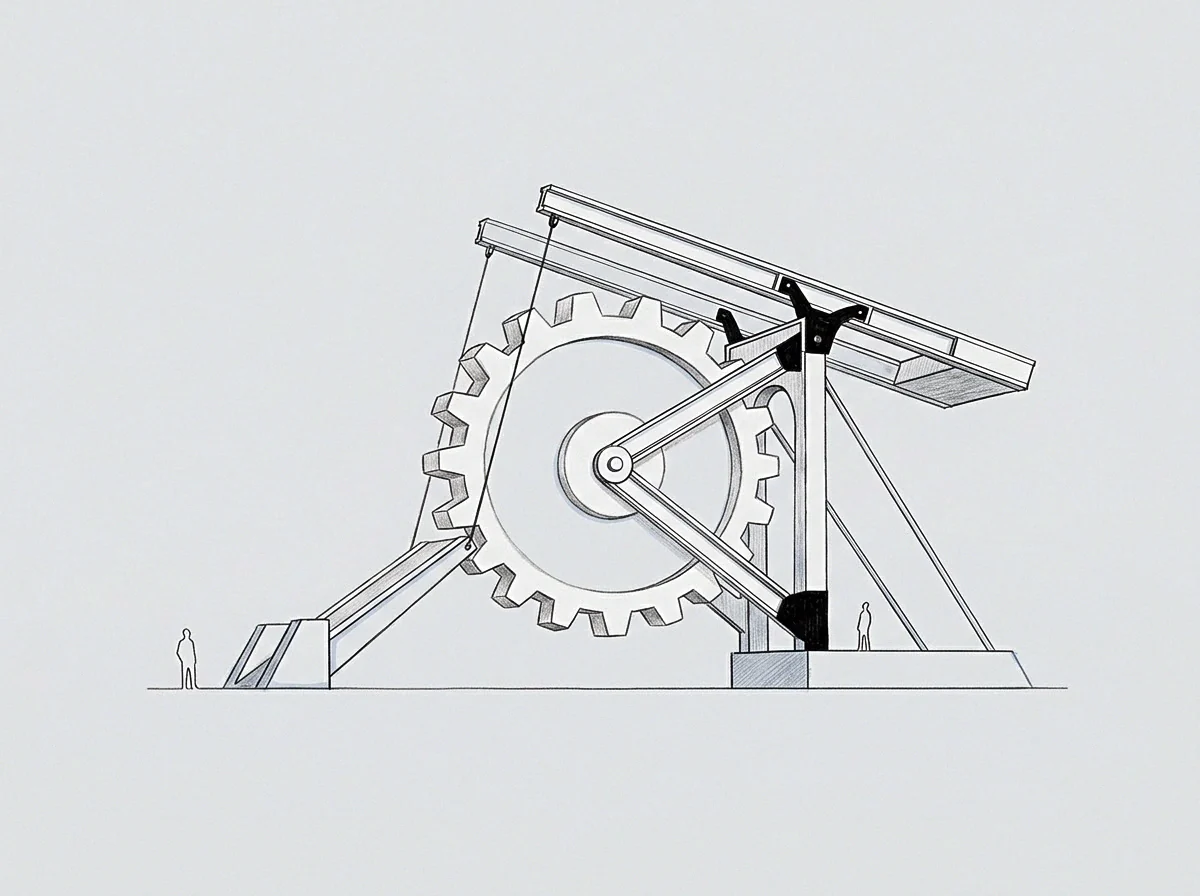
Meaning
An operational checkpoint within a design or assembly workflow represents the stage where system errors are detected and resolved. The catch position determines the total resource expenditure required to rectify a structural flaw, as earlier detection points minimize downstream labor. Corrective action taken at this stage prevents the compounding of errors in subsequent processes.
Cost Gradient
The cost of correcting an error increases exponentially as a project moves further from the initial design phase. A catch position located in the drafting or planning stage requires only minutes of labor to alter, whereas an error caught during active production incurs substantial material losses and scheduling delays. When detection is deferred until final delivery or client handoff, the financial and reputational penalties represent the highest possible cost to the operation.
Aligning the catch position with early-stage reviews represents a primary method of risk mitigation for a builder, allowing the team to salvage hours of work that would otherwise be discarded during assembly.
Operational Limit
Shift of detection duties away from the primary builder to an external reviewer demands a formalization of the evaluation criteria. In many workflows, the catch position is constrained by the tools available to the person performing the check. If the reviewer lacks the technical capacity to run simulations or test structures, the catch position naturally shifts downstream to the physical assembly phase.
This shift increases the burden on the operator and reduces the overall throughput of the system.
Feedback Efficiency
Establishing a reliable mechanism for data collection at each intervention point ensures that repetitive errors are eliminated rather than managed. Feedback loops that connect the catch position back to the initial design files allow the team to modify the baseline templates. Without this connection, the same structural mistakes repeat across multiple production cycles, leading to cumulative losses in labor hours.
A clear catch position stops failure before it spreads.