Meaning
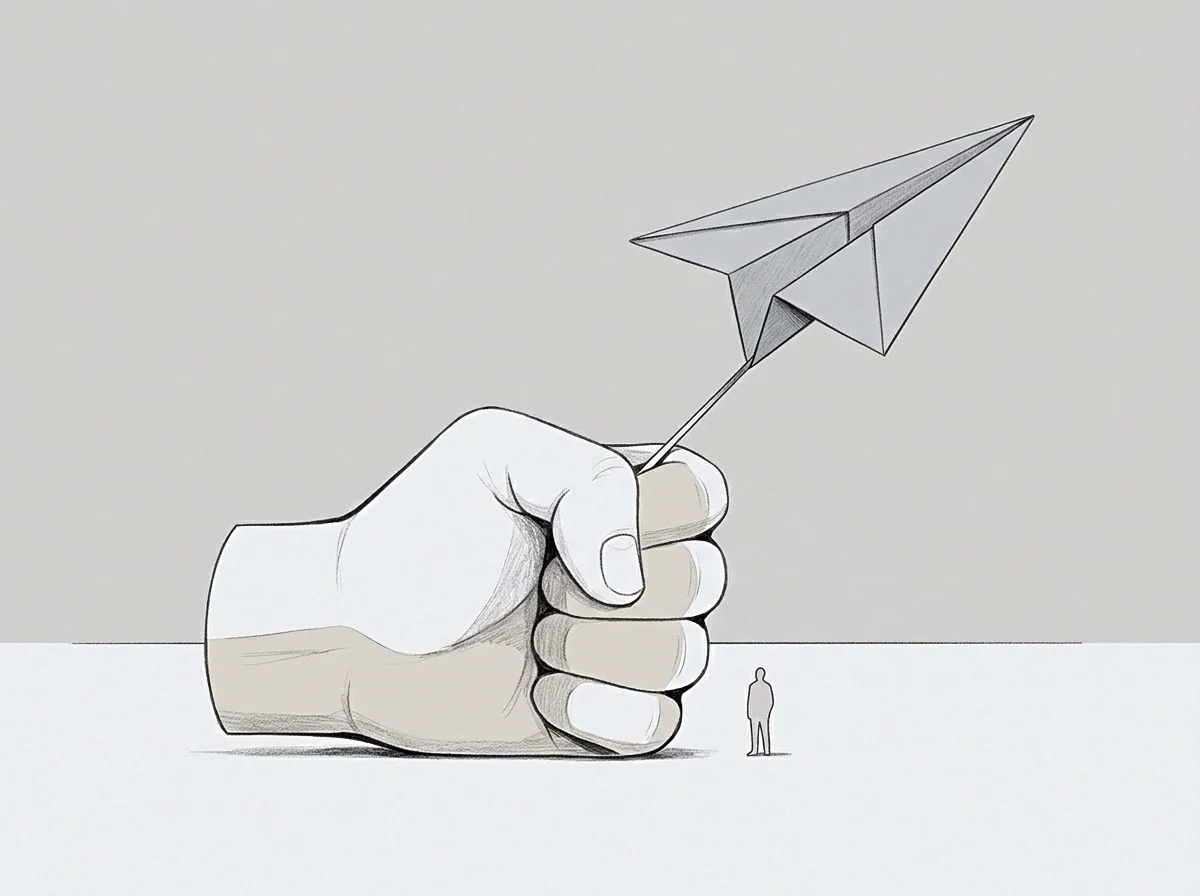
Cognitive phenomena in human memory influence how tasks are retained or forgotten based on their state of completion. First documented by researchers in Berlin, the zeigarnik effect describes the persistent mental intrusion of unfinished business. This retention occurs because the mind maintains cognitive tension for incomplete loops, which is only released when the task is resolved.
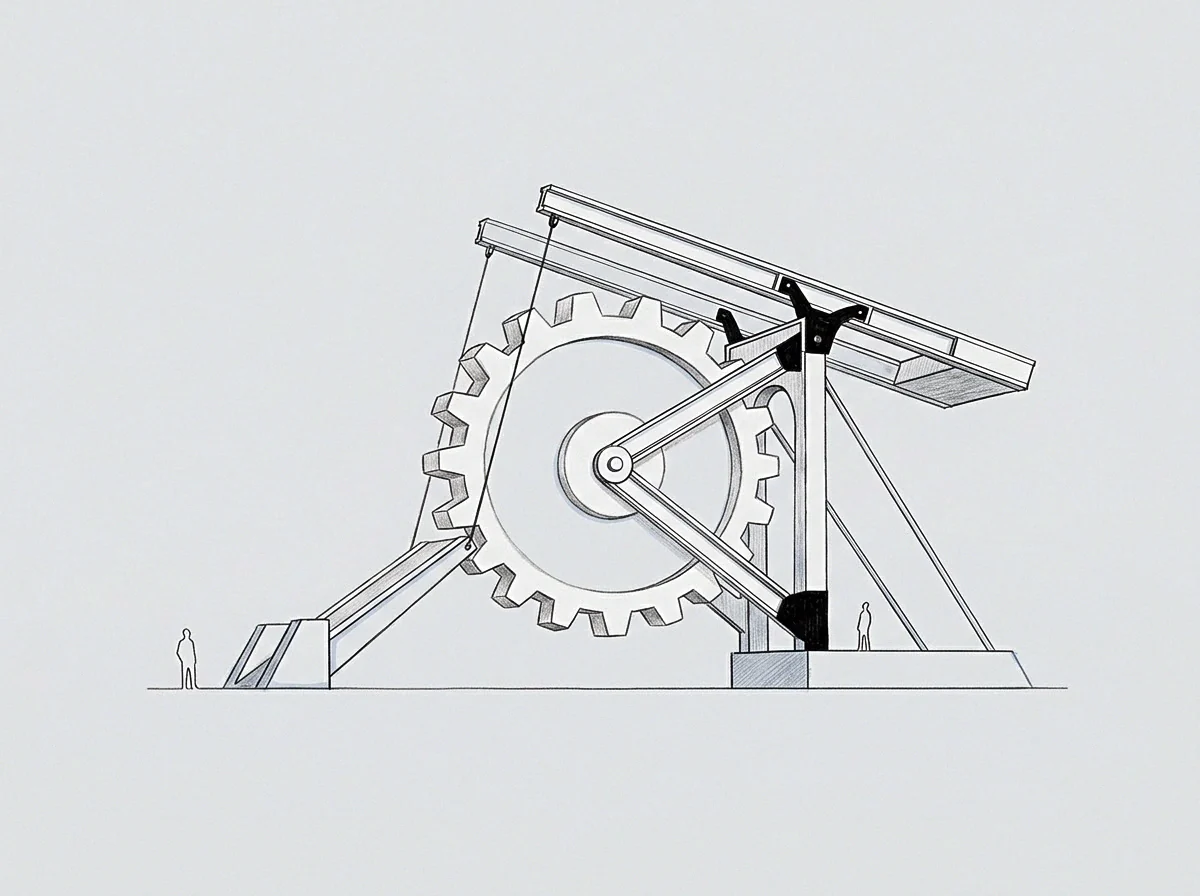
The boundary of this effect is reached when cognitive overload prevents the mind from tracking any more active files.
Attention Retention
Memory capacity is occupied by tasks that remain in a state of suspension. Under these conditions, the zeigarnik effect ensures that the details of a project stay highly accessible, which can lead to mental exhaustion. The operator remains preoccupied with the unresolved build even when away from the desk.
Cognitive Loop
Accumulation of unfinished tasks drains the focus needed for creative work. Each open file acts as a silent demand on the attention of the person in the seat. This mental clutter makes it difficult to commit fully to the task at hand.
Mental Release
Closure of a task allows the mind to discard the details and recover focus. When the work is completed or explicitly postponed, the tension dissipates and memory is cleared. This release restores the capacity needed for the next structural challenge.