Meaning
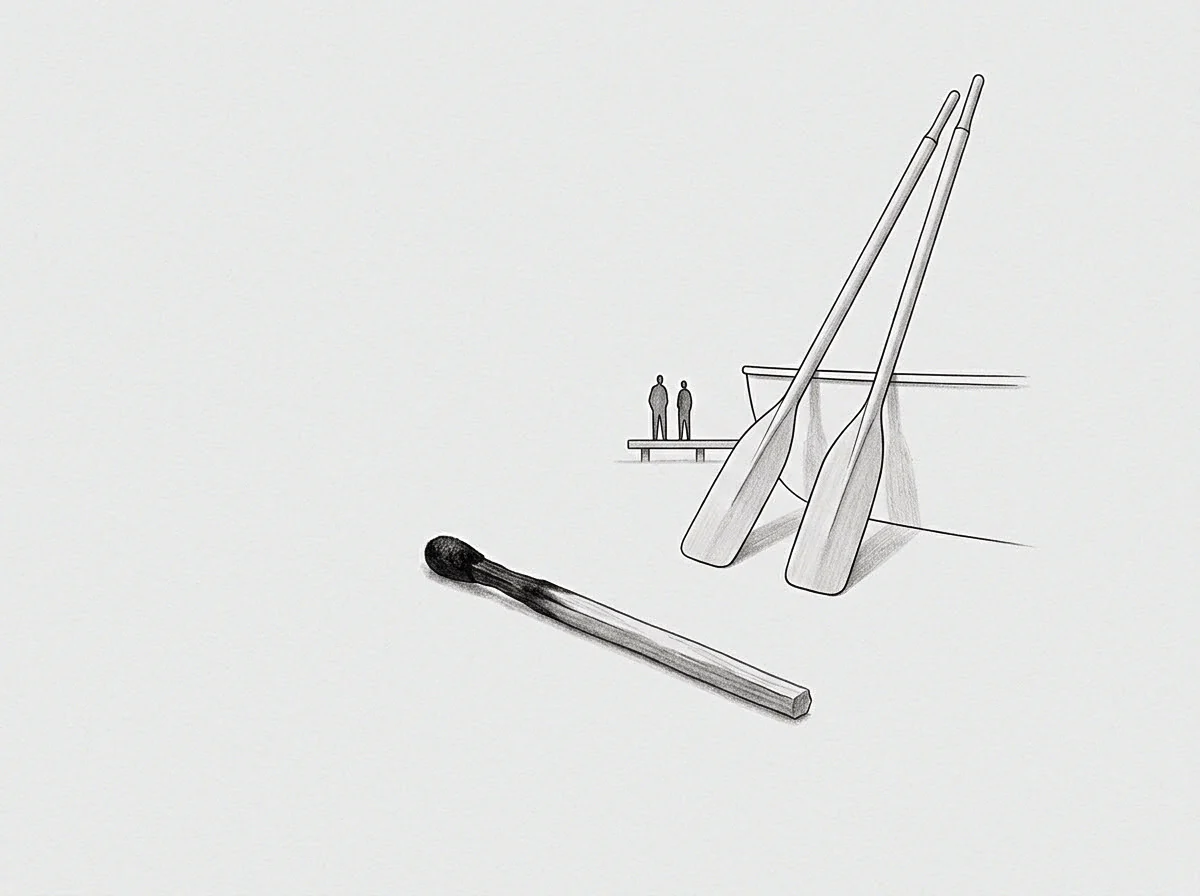
Behavioral constraints offset the natural decay of long-term resolve by imposing immediate costs on future deviations. A commitment device is any voluntary arrangement that restricts an actor’s future choices to ensure adherence to a preferred long-term plan. By removing the option to alter course, this mechanism neutralizes the predictable urge to abandon difficult goals when immediate anxiety peaks.
It functions by altering the payoff structure of future decisions before temptation or fear can corrupt the choice.
Penalty Enforcer
Self-imposed penalties transform soft intentions into hard obligations that resist the pressure of changing moods. In the years after founding, an operator who intends to exit the seat may employ a commitment device such as a legally binding escrow agreement or a public announcement of a departure date. This arrangement makes backing out of the transition prohibitively expensive in both capital and reputation.
The penalty must be sufficiently severe that the cost of retreat exceeds the temporary relief of staying in the familiar seat, turning a private preference into an unalterable economic path.
Structural Lock
Removing the physical capacity to interfere with a process protects the work from the builder’s own impulse to adjust it. Once a handover is initiated, the founder might surrender administrative passwords, seat access, or signing authority to a successor. This deliberate stripping of control ensures that when panic or regret arises, the means of intervention are unavailable.
The arrangement forces the creator to remain a silent witness to the new operator’s decisions, preventing the friction of dual authority.
Cost Allocation
Implementing these boundaries carries a high initial price in personal capacity and flexibility. The individual must willingly bind their own hands, a process that feels counterintuitive to someone accustomed to complete autonomy. This cost is paid upfront to purchase protection against future self-sabotage.
The restriction remains active until the transition is complete and the possibility of reversion has closed.