Meaning
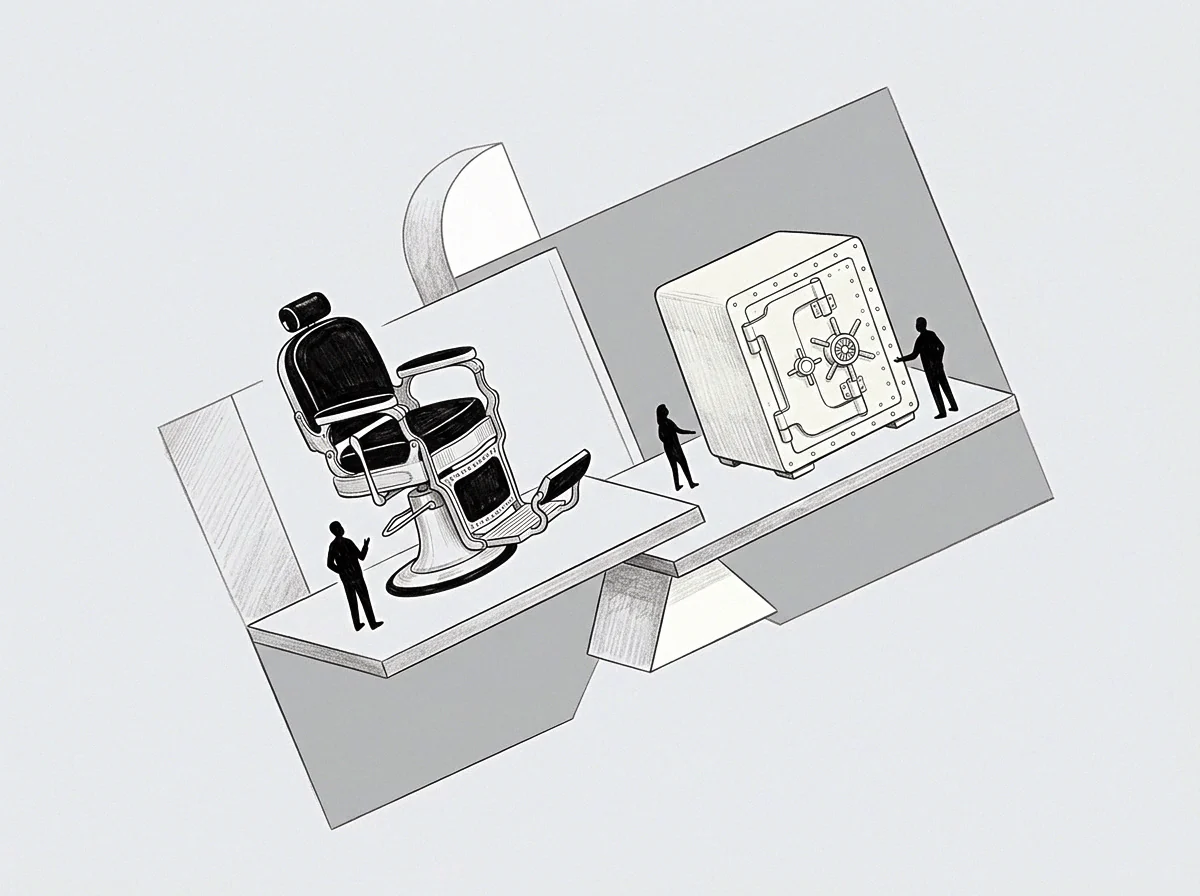
An operational capacity to withdraw presence or capital from an existing arrangement defines the baseline condition under which authority can be contested. A credible exit requires a fully realized alternative destination alongside the immediate resources needed to execute a departure. When an operator holds this position, the ability to leave alters internal negotiations without requiring an immediate shutdown of work.
The boundary of the concept stops at mere dissatisfaction or unexecuted threats, which fail to alter counterparty behavior.
Structural Precondition
External alternatives must exist in concrete form before any bargaining power takes effect. A credible exit relies on external landing points, whether an independent project or a separate operating seat. Without these tangible destinations, vocal statements regarding dissatisfaction remain unweighted requests.
The counterparty calculates cost based entirely on observable mobility rather than verbal assertions.
Negotiation Pressure
Positioning within an active venture changes dramatically when the cost of departure shifts from catastrophic to manageable. The presence of a credible exit transforms internal voice from a request into an ultimatum that the remaining partners must calculate against replacement expenses. When departure costs drop below the expense of continued friction, the party in the seat gains full pricing power over their ongoing contribution.
Every decision made inside the room then reflects the real friction of replacement. Counterparties adjust terms rapidly when they observe that access can be terminated unilaterally. Silence combined with alternative options produces far greater structural movement than prolonged argument.
Execution Barrier
Entanglement through shared liabilities or legal non-compete clauses often degrades an apparent alternative into a non-viable option. A credible exit disappears the moment legal or financial penalties outpace the benefits of relocation. Operators frequently mistake psychological readiness to walk away for actual structural freedom.
Where contractual lock-in or debt guarantees bind the individual to the seat, the option to leave remains purely theoretical. Consequently, true mobility requires systematic unbinding from non-transferable obligations long before any formal dispute arises.