Meaning
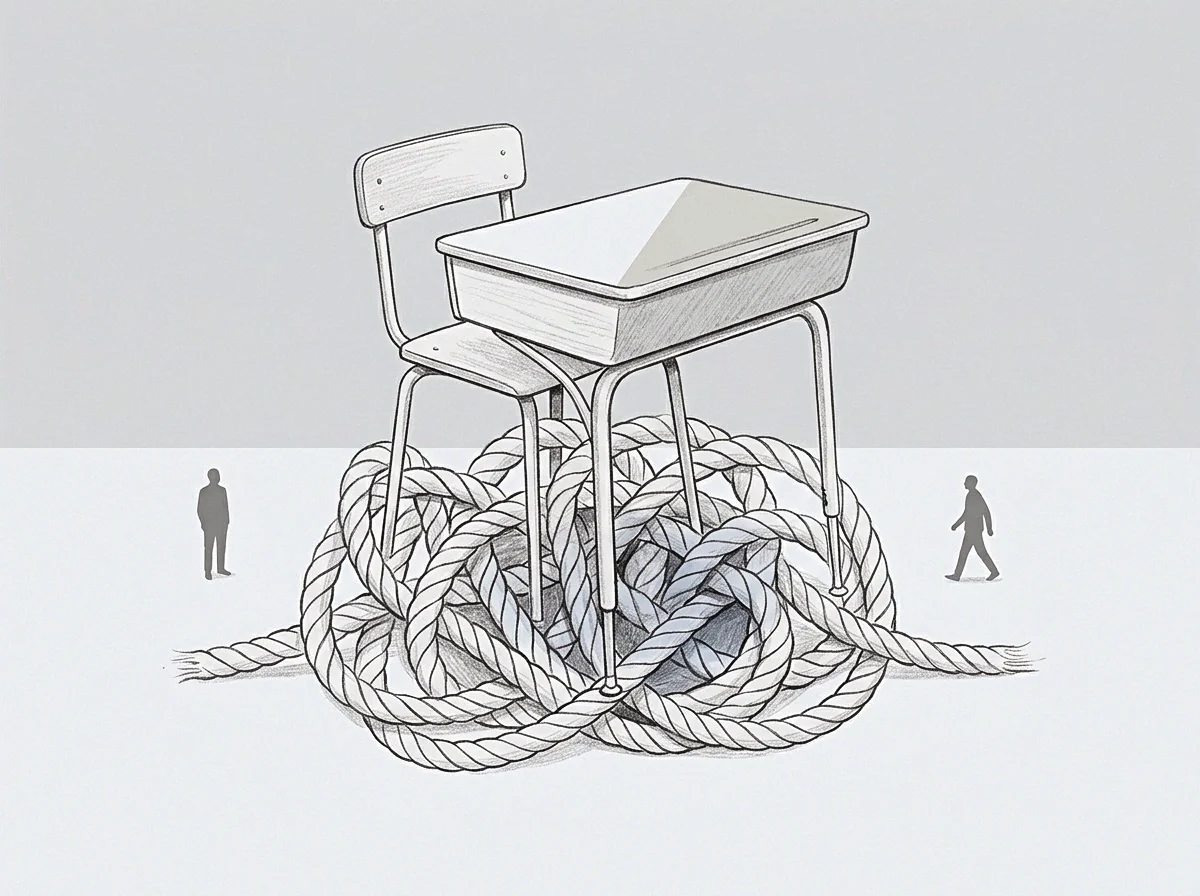
The shift of operational friction from one part of a process to another characterizes the reallocation of technical burden. When a difficulty transfer occurs, the task is made simpler for one operator by increasing the complexity for the next. This shift does not eliminate the friction.
Transfer Mechanism
Designing simpler interfaces often requires adding extensive underlying code and maintenance. This difficulty transfer usually flows from the user’s interface to the developer’s desk. The developer bears the cost of writing the complex translations so that the client has fewer decisions to make.
This shift ensures that the hard work is done once, in advance, rather than many times during operation.
Structural Limit
Moving the friction cannot succeed if the receiving seat has no capacity to handle it. A difficulty transfer fails when the second operator has neither the training nor the time to execute the new, more complex task. The system then slows down or fails entirely.
The boundary of this process is defined by the skill level of the person who inherits the redirected difficulty.
Capacity Load
Reorganizing who does the hardest work demands careful planning and incurs high hours of initial investigation. For the person managing the transition, the difficulty transfer requires deep knowledge of both seats to avoid breaking the team’s operational rhythm. The result of a successful reallocation is a smoother path for the primary builder at the expense of more strenuous support work.
This trade-off must be calculated carefully to ensure that the total system efficiency increases rather than decreases.