Meaning
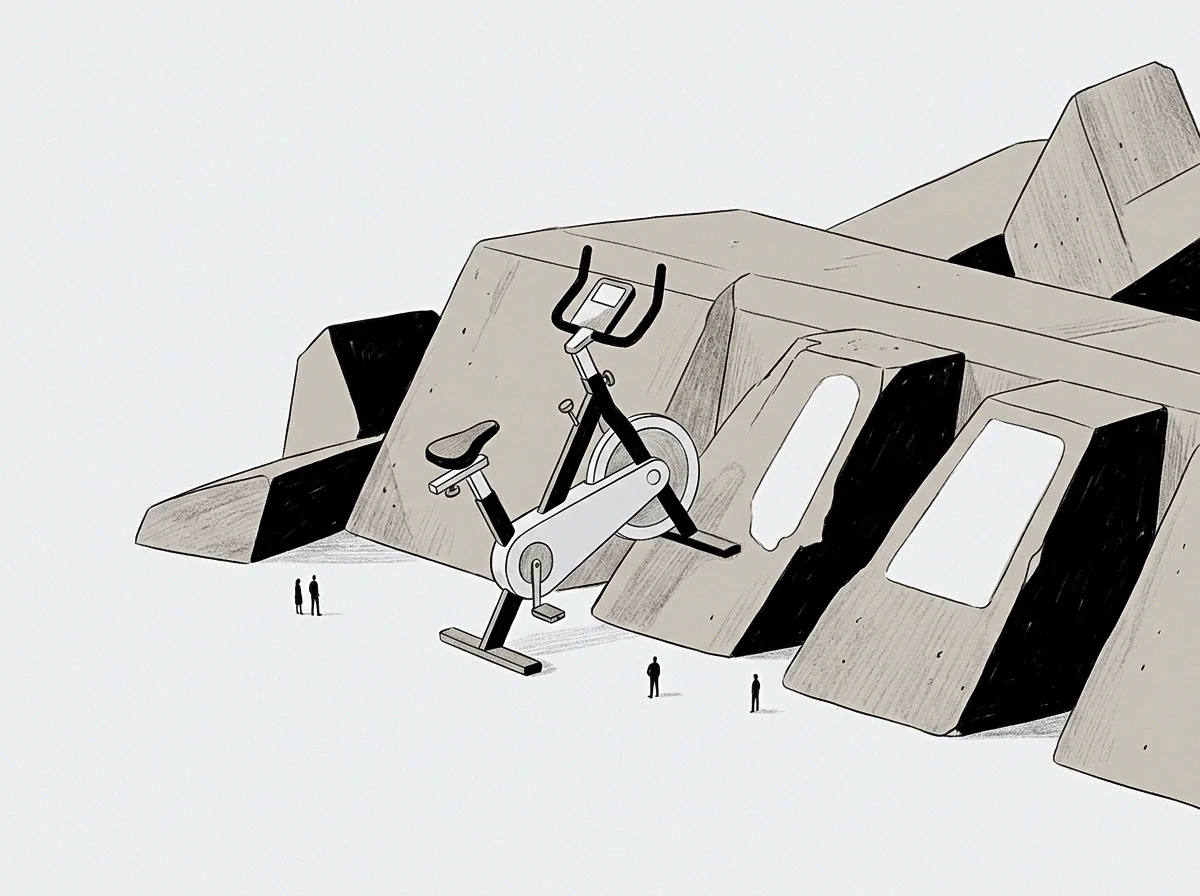
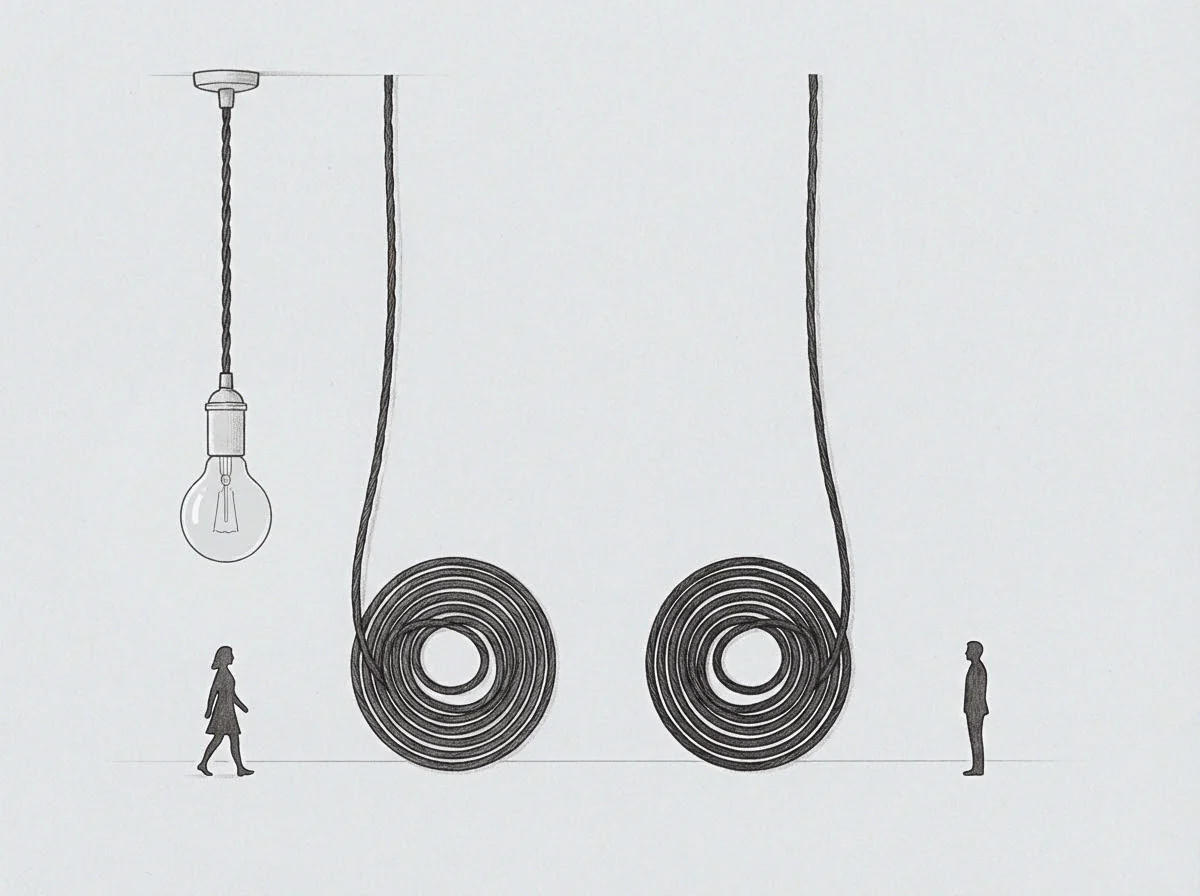
An operational category of obligation represents the uncoordinated commitments imposed on a builder by external forces after a transition or transaction. This condition, termed extracted debt, leaves the operator with no control over when the work begins or when it is finished. It applies to situations where legacy contracts, unwritten promises, or client dependencies draw on current capacity.
The boundary of its application lies where the founder regains the authority to reject demands or unilaterally define the delivery criteria. Without this boundary, the extraction continues indefinitely, because the external parties have no structural incentive to stop requesting assistance.
Imposed Load
Unplanned claims on attention reduce the time available for new initiatives, as the founder must constantly service expectations set by others. When operators face extracted debt, their schedules are fragmented by inquiries and tasks that offer no future value to the current venture. A drain occurs because historical partners or clients retain influence, forcing the builder to choose between reputational damage and the loss of focus.
The load is experienced as a continuous distraction that prevents the establishment of new operating routines.
Recovery Boundary
Reclaiming control over personal capacity requires a formal intervention that establishes new terms of interaction. An operator can only resolve extracted debt by drawing a firm line or transferring the relationship to a successor. This transition succeeds when the operator formalizes communication channels and replaces open-ended support with discrete agreements.
Once the builder stops responding to unstructured requests, the extraction ceases. The difficulty of this step lies in accepting the discomfort of refusing legacy requests that were once answered without question.
Capacity Impact
Prolonged exposure to extracted debt diminishes both the creative energy and the execution speed of any subsequent project, leaving the operator to struggle with the baseline demands of a new role while constantly looking backward. An operator cannot build the future while paying for the past.