Meaning
Interpersonal psychology identifies the structured categories of self-presentation as a mechanism for establishing power or shifting obligations within a collaborative relationship. Within this field, the jones and pittman taxonomy provides a systematic classification of distinct strategies that individuals deploy to influence observers. The classification includes self-promotion, intimidation, exemplification, and supplication.
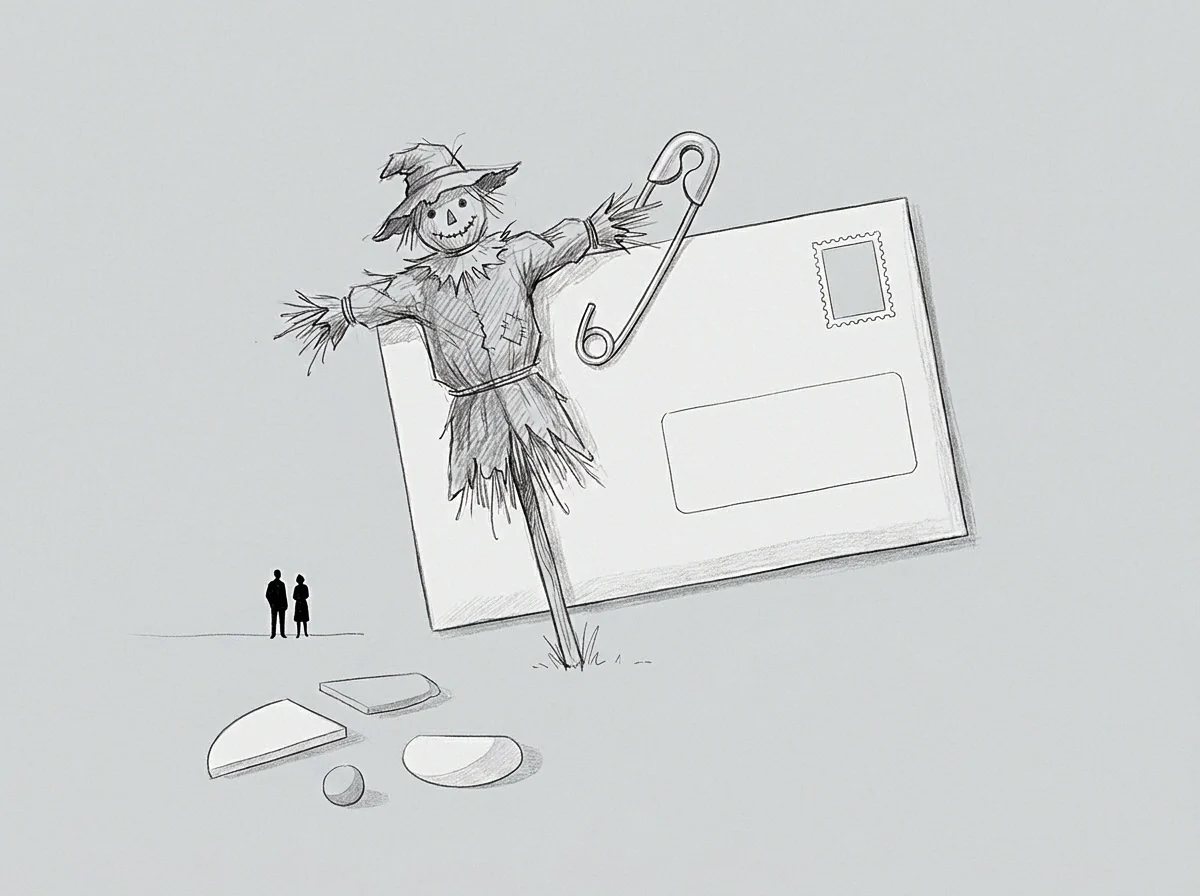
By broadcasting a specific vulnerability, the practitioner of supplication exploits social norms to elicit help from peers who must perform the work.
Behavioral Dynamic
Observation of interpersonal transactions shows how these self-presentation archetypes operate as practical maneuvers. When an individual steps away from an active seat, the jones and pittman taxonomy explains the covert contracts that govern how the workload is redistributed. A founder who adopts the supplication stance highlights real or exaggerated deficits to secure assistance without paying an explicit price.
Help arrives. This creates an unstated exchange where the helper carries the physical or cognitive load while the founder retains authority without exerting effort. The cost of this arrangement falls heavily on the remaining operators, who must perform the work under the weight of unstated expectations.
Such exchanges rely on unspoken terms that prevent the helper from demanding reciprocal effort. Over time, the pattern erodes trust because the actual division of labor deviates from the formal arrangement.
Relational Cost
Sustained reliance on protective self-presentation alters how colleagues calculate the value of their contributions. Within the categories of the jones and pittman taxonomy, the shift from active contributor to dependent supplicant modifies the social contract. When an individual repeatedly projects weakness, the surrounding peers absorb a baseline of responsibility that was never formally assigned.
This unrecognized transfer of work depletes the energy and attention of those who remain in the active seats. The operator who actually performs the work carries the load of the task alongside the emotional weight of protecting a vulnerable colleague. Because the arrangement remains unstated, there is no mechanism to measure the true transfer of value or to compensate the peer who carries the extra weight.
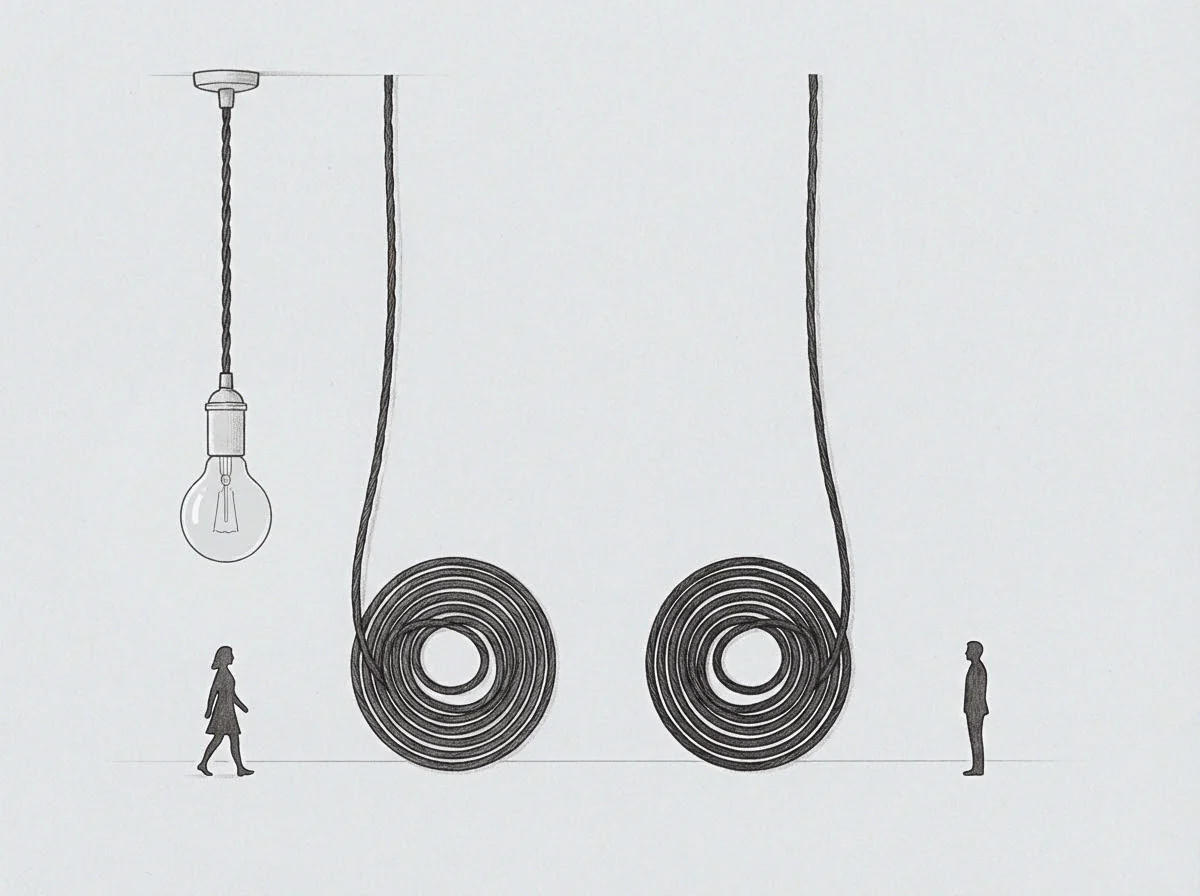
The silent partner pays in capacity and hours, while the supplicant avoids both the labor and the accountability.
Structural Limit
Application of self-presentation strategies ceases to produce cooperative results when the witness to the behavior is no longer dependent on the relationship. Under the jones and pittman taxonomy, the effectiveness of any presentation relies entirely on the audience accepting the projected identity. When external observers, such as regulators or clients, evaluate the arrangement, they ignore the interpersonal dynamic in favor of objective records.
An artifact like a signed contract or a verified bank record cannot be adjusted by projecting weakness or claiming moral superiority. The social pressure that compels peers to help a struggling colleague has no influence over legal liabilities or financial demands. Once the work is exposed to an audience that selects itself based on performance, self-presentation fails to defer the real consequences of inaction.
In these environments, only verifiable results determine the survival of the arrangement.