Meaning
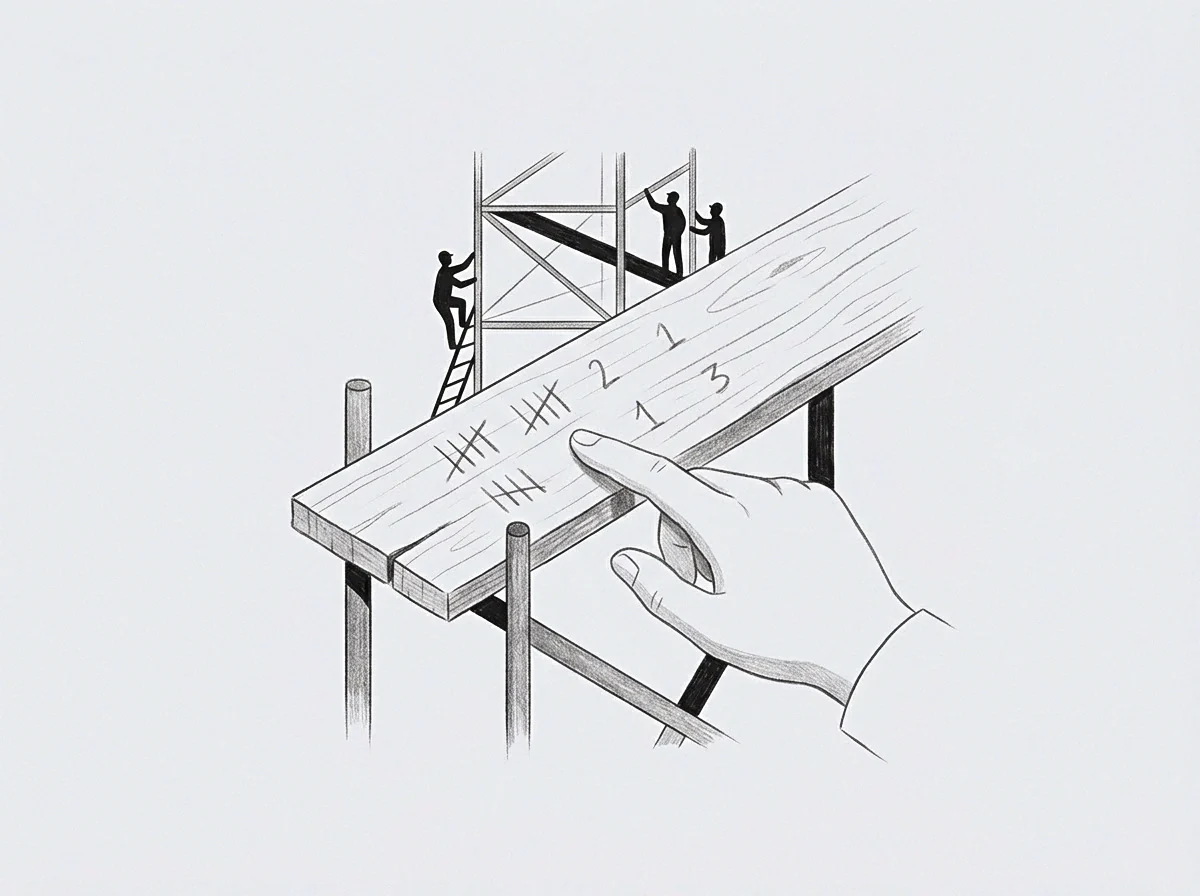
Operational commitments maintained at a constant output without formal billing function as stable baseline conditions within an ongoing commercial arrangement. Within post-founding operations, a fixed resource represents any operational contribution or personal attention supplied by an owner without dynamic repricing. The distinction rests on the absence of variable tracking, which leads counterparties to assume perpetual availability.
Application of the concept ends when an input is measured against explicit unit rates or governed by formal consumption limits.
Implicit Valuation
Absorbing operational friction quietly allows an organization to miscalculate the true cost of maintaining daily workflow. When an owner supplies a fixed resource without recording hours or charging administrative fees, surrounding personnel treat that contribution as a permanent environmental feature. Unpriced reliance masks underlying overhead.
Because the internal accounting records zero expenditure for the input, margins appear higher than their sustainable level. The structural error becomes visible when the owner reduces personal involvement and external suppliers must be engaged to cover the resulting operational void.
Capacity Ceiling
Inside the early operational architecture, unquantified founder labor acts as a buffer against execution errors. Relying on a fixed resource creates an artificial threshold where workload expands while recorded costs remain flat. Personal capacity reaches exhaustion when unpriced demands exhaust available energy.
Boundary Adjustment
Evaluation against external market pricing exposes the fragility of unpriced founder contributions. Converting a fixed resource into a variable expense requires an explicit declaration that alters team expectations. Stating a formal limit converts a background constant into a negotiable trade.
That single action redistributes responsibility across remaining operators. Where formal contracts succeed in defining capacity boundaries, operational costs adjust to match genuine economic realities. The transition establishes clear terms for future resource allocation.