Meaning
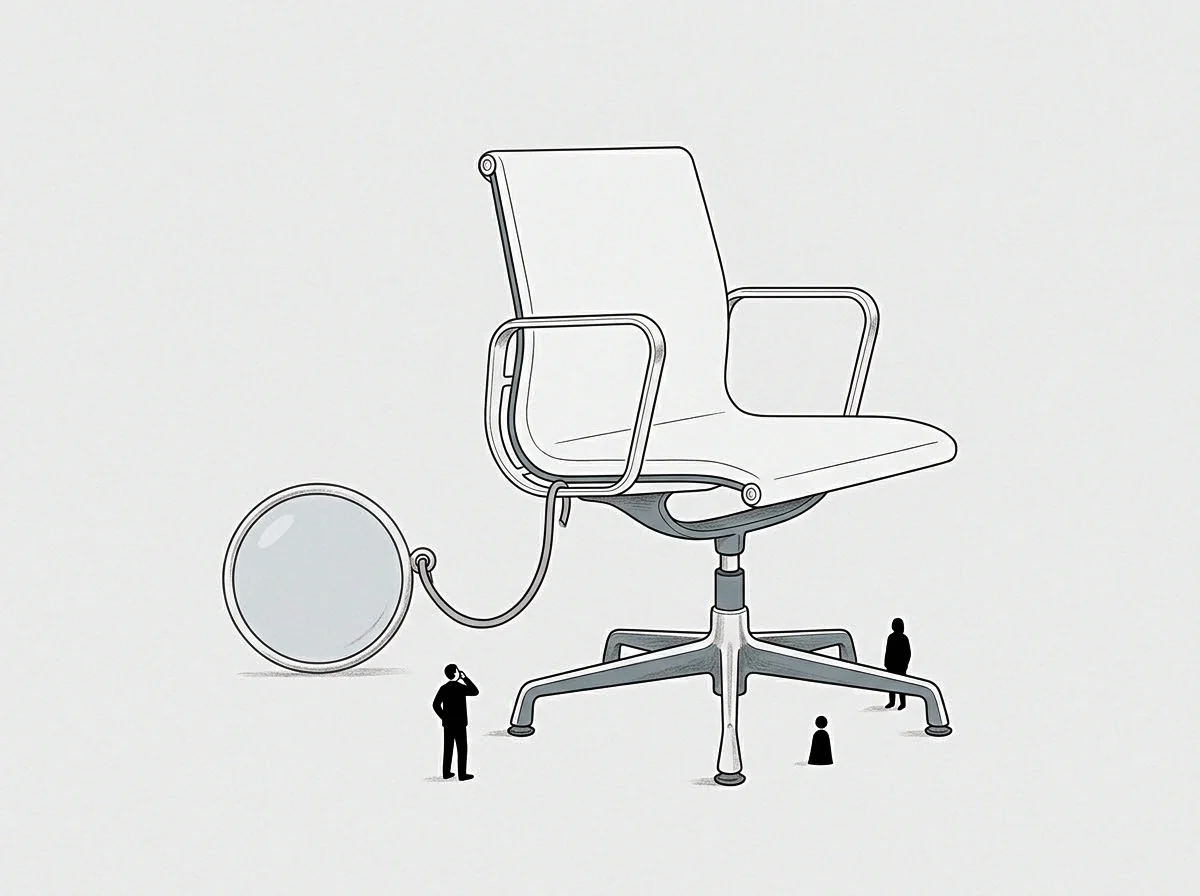
Load-sharing is a distributed mechanism by which an individual’s cognitive, emotional, and practical burdens are implicitly or explicitly diffused across multiple relationships, systems, or environmental resources. This process significantly reduces the overall physiological and psychological strain on any single person, lowering their allostatic load. It functions as a baseline expectation of human interaction, rather than an occasional, deliberate act of seeking help.
Distributed Burden
This mechanism describes how the continuous work of maintaining equilibrium and managing demands is spread across an individual’s social environment and operational arrangements. Instead of a single person carrying the full weight of ongoing cognitive processing, emotional regulation, or routine task execution, various aspects are distributed among available supports, such as partners, clients, or established routines. This distribution allows for a lighter individual burden, drawing on the collective capacity of the broader arrangement.
Resource Preservation
Load-sharing acts to preserve an individual’s personal energy, attention, and cognitive resources over time. By offloading a portion of the continuous processing or emotional regulation to others in an arrangement, the person in the seat can dedicate their internal capacity to higher-order tasks, strategic decision-making, or creative work that requires focused effort. This preservation reduces the wear and tear on the body from chronic stress and vigilance, thereby extending the individual’s sustained output and preventing early burnout.
Absence Cost
The cost of the absence of effective load-sharing is a significant increase in the individual’s personal expenditure of energy, hours, and mental capacity, directly impacting their ability to operate. Without sufficient distribution of burdens, a person must internalize and manage a greater share of cognitive and emotional demands. This leads to heightened stress, reduced resilience, impaired judgment, and a measurable decline in sustained performance and overall well-being as they attempt to operate as a self-sufficient unit in a complex environment, often leading to a premature exit from the seat.